
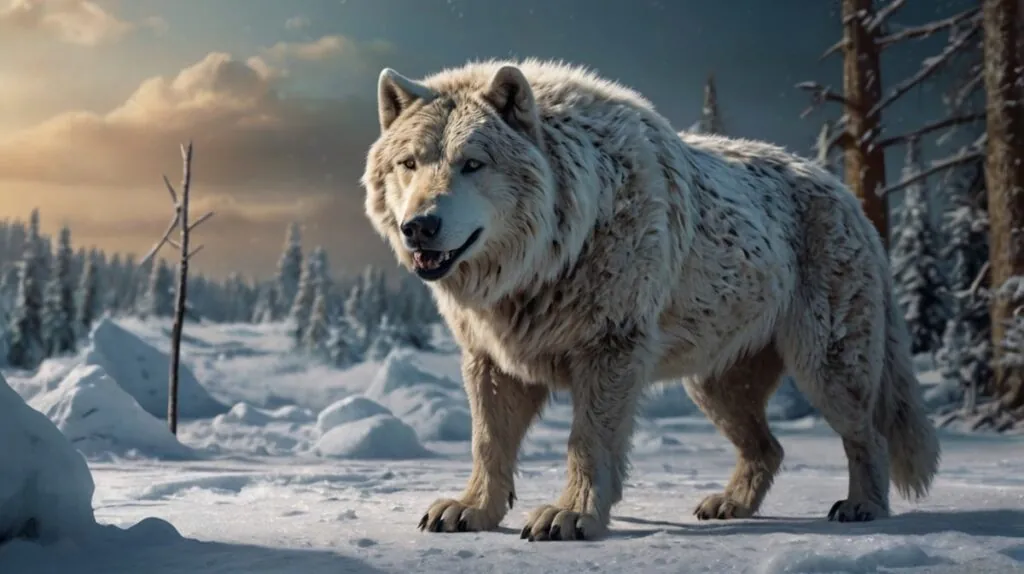
Imagine a creature so imposing that it could weigh as much as a small bear, prowling the icy terrains of an ancient world. The colossal dire wolf, once considered a mere specter of folklore, is now coming into sharper focus through contemporary research. Understanding these magnificent creatures not only deepens our knowledge of evolutionary biology but also provides valuable insight into the natural world we inhabit today.
The successful birth of dire wolves represents one of the most remarkable transformations in scientific history, turning ancient legend into modern reality. In this article, you will explore their remarkable adaptations, the factors behind their extinction, and the lessons they offer about surviving climate change. Colossal Dire Wolves: From Ice Age Legend to Modern Reality
The Legendary Status of Dire Wolves
Dire wolves, often overshadowed by their more familiar relatives, the gray wolves, hold a unique place in both paleontology and popular culture. Once widespread across North America, these powerful predators thrived during the late Pleistocene, exhibiting adaptations such as robust bodies, large skulls, and strong jaws suited to hunting megafauna like mastodons and giant sloths.
Their legacy endures not only through fossil evidence but also through their portrayal in media and literature. Popular culture further elevated dire wolves to mythical status, featuring them prominently in literature, television, and film as symbols of wild, untamed nature. Their extinction approximately 13,000 years ago seemed to cement their place firmly in the realm of legend—until now.
What makes dire wolves especially fascinating is their distinct evolutionary path.Recent research suggests that climate change and human competition, rather than direct predation, played key roles in their extinction. This insight enhances our understanding of how ecosystems respond to environmental change and highlights the dire wolf’s importance as both a predator and an indicator species.
The Scientific Foundation for Resurrection
Colossal Dire Wolves: From Ice Age Legend to Modern Reality. The concept of resurrection, long the domain of philosophy and theology, is gaining traction in the scientific domain, particularly with advancements in genetics and de-extinction. Imagine a world where colossal dire wolves, once rulers of the Ice Age, reclaim their place in ecosystems, made possible by breakthroughs in CRISPR technology that allow scientists to edit the DNA of extant canids and reintroduce ancient genetic traits.
CEO Ben Lamm emphasized the technical achievement: “Our team took DNA from a 13,000-year-old tooth and a 72,000-year-old skull and made healthy dire wolf puppies. It was once said, ‘any sufficiently advanced technology is indistinguishable from magic.’ Today, our team gets to unveil some of the magic they are working on.”
The scientific approach resembled reconstructing a million-page book from only random sentences from every twentieth page. Yet, sophisticated computational methods enabled increasingly accurate predictions about missing genetic information, transforming fragmentary ancient DNA into actionable genomic blueprints. This raises important ethical questions and highlights the broader implications for biodiversity amid significant species loss today.
Examining the extinction event that wiped out the colossal dire wolves offers further insights into resilience and adaptation. By analyzing preserved remains through paleogenomics, researchers can identify genetic markers that reveal how these apex hunters thrived in their time.
Genomic Detective Work Reveals Hidden Traits
Colossal Dire Wolves: From Ice Age Legend to Modern Reality. Genomic detective work has unearthed fascinating insights into the traits of the long-extinct colossal dire wolves, revealing more than just their size. By sequencing ancient genomes, researchers can now pinpoint not only physical characteristics but also behavioral adaptations that may have contributed to their dominance in prehistoric ecosystems. This genomic tapestry illustrates a complex interplay between environmental factors and genetic diversity, highlighting how these wolves may have modified their hunting strategies in response to fluctuating prey populations.
These genetic revelations also challenge traditional views on competition and survival among predators. By deciphering the molecular blueprints, scientists speculate that colossal dire wolves may have exhibited traits similar to modern social carnivores, such as cooperative hunting behaviors.
Such insights deepen our understanding and prompt a reevaluation of the ecological roles predators like the colossal dire wolves played during their reign. As we peel back layers of genomic history, we move beyond mere identification to a deeper appreciation for the complexities of extinction and adaptation, reshaping our narrative of the distant past.
From Ancient DNA to Living Animals
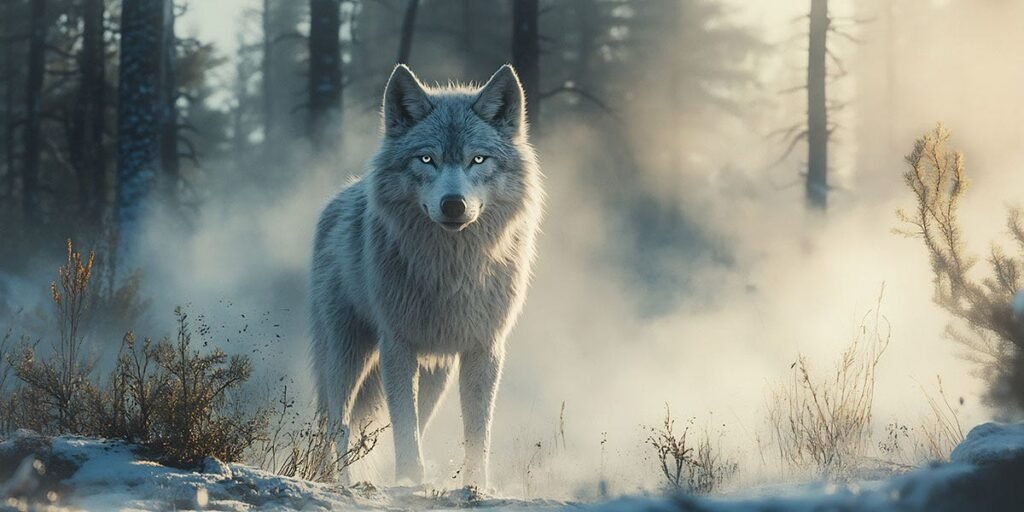
The journey from ancient DNA to living animals opens a fascinating window into our world’s biodiversity. Scientists are now scrutinizing genetic material from extinct species, such as the colossal dire wolves, which roamed North America thousands of years ago.
By reconstructing the genome of these majestic creatures, researchers are not just piecing together the past; they are also contemplating the potential for de-extinction. Imagine a future where dire wolves, once thought to be mere memories of prehistoric times, might roam the earth again, potentially contributing to ecosystems and revealing their ecological roles.
Moreover, the revival of species like the colossal dire wolf raises ethical and ecological questions. What ecosystems would they return to, and how would they interact with existing species? As we explore these uncharted waters, it is crucial to examine not only scientific feasibility but also the potential consequences for current wildlife and habitats. Reflecting on our intertwined histories with such creatures ignites a sense of responsibility, urging us to protect the biodiversity we still have while exploring the possibilities of reviving the past.
Bridging Paleontology and Modern Biology
In the intricate tapestry of life on Earth, bridging paleontology and modern biology reveals fascinating narratives about evolutionary continuity. Consider the colossal dire wolves, once apex predators in Pleistocene ecosystems. By examining their skeletal remains, we gain insights into their hunting strategies and social behaviors, which inform our understanding of modern wolf packs. The physical prowess and social structures of these ancient canids highlight evolutionary adaptations shaped by environmental pressures that still resonate today.
Moreover, studying the colossal dire wolves allows scientists to explore the genetic legacy preserved within contemporary wolf populations. Ancient DNA analysis allows researchers to trace lineage and migration patterns, illuminating pathways of adaptation in response to climate change and habitat loss.
This intersection of past and present not only enriches our understanding of biodiversity but also underscores the importance of conservation in a rapidly changing world. Such connections enhance our appreciation for the resilience of life, reminding us that the lessons of the past remain deeply relevant as we chart the course for future species survival.
Cultural Impact of Scientific Achievement
The discovery of colossal dire wolves, ancient canids that roamed North America during the Pleistocene epoch, has reshaped our understanding of prehistoric ecosystems and human-animal interactions. These formidable creatures, often depicted in media as mere beasts of horror, invite a deeper reflection on culture. Far from being just remnants of a bygone era, they symbolize the intersection of science and mythology, sparking renewed interest in the narratives we create around nature and our own place within it.
Scientific achievements, such as the unearthing and genetic analysis of colossal dire wolf remains, challenge contemporary views on extinction and species coexistence. They prompt us to reconsider the storylines we tell ourselves about survival and adaptation.
As we explore these majestic beings through modern technology, including virtual reality exhibits, they inspire a collective narrative about conservation, urging us to recognize how today’s ecological challenges mirror those of the past. Ultimately, the cultural impact of these discoveries reverberates through art, literature, and education, sparking dialogue that bridges science, culture, and history.
Validation of De-extinction Science: Colossal Dire Wolves: From Ice Age Legend to Modern Reality
The dire wolf’s successful return validates de-extinction as a legitimate scientific discipline, moving it beyond speculative fiction. Dr. Christopher Mason, a Colossal scientific advisor, emphasizes the broader significance: “The de-extinction of the dire wolf and an end-to-end system for de-extinction is transformative and heralds an entirely new era of human stewardship of life.”
Moreover, the implications of successfully bringing back the colossal dire wolves extend beyond biodiversity. They challenge our responsibilities as stewards of the planet. Do we have the right to manipulate nature’s timelines, or should we prioritize preserving species currently at risk? This ethical dimension invites reflection on our role in conservation.
By exploring both the scientific potential and the moral landscape of de-extinction, we are compelled to reimagine our relationship with natural history and the future of our ecosystems.
Lessons for Future Restoration Projects
Colossal Dire Wolves: From Ice Age Legend to Modern Reality Future restoration projects can draw valuable lessons from the story of the colossal dire wolves, ancient apex predators whose extinction underscores the interconnectedness of ecosystems. Successful reintroduction efforts require not only suitable habitats but also consideration of climate impacts to ensure species can thrive within their ecological niches.
Community engagement is equally vital. By integrating indigenous knowledge and fostering local stewardship, restoration initiatives can blend traditional wisdom with modern science. Such approaches honor the legacy of lost species while promoting resilient ecosystems for the future.
Technology Transfer to Conservation: Colossal Dire Wolves: From Ice Age Legend to Modern Reality
Colossal Dire Wolves: From Ice Age Legend to Modern Reality. The application of advanced technology is transforming biodiversity conservation, particularly for species like the colossal dire wolves. Tools such as genetic sequencing and AI-driven habitat modeling help scientists understand the ecological niches these ancient predators once occupied and guide habitat restoration and rewilding efforts.
Biotechnological advances like CRISPR could further enhance genetic diversity and resilience in vulnerable species, offering safeguards against disease and environmental change. By integrating cutting-edge technology with conservation strategies, we gain innovative ways to preserve the past while shaping a resilient future for Earth’s fauna, inspiring both hope and urgency for proactive stewardship.
Looking Beyond the Legend: Colossal Dire Wolves: From Ice Age Legend to Modern Reality
Colossal Dire Wolves: From Ice Age Legend to Modern Reality. Colossal dire wolves, rooted in ancient lore, evoke images of fierce predators roaming icy landscapes. Yet, looking beyond legend reveals a more nuanced understanding of these remarkable creatures. Recent paleontological discoveries suggest that their size and predatory prowess were adaptations to specific ecological niches, challenging myths of their invincibility. These wolves were likely driven by survival strategies, relying on pack dynamics for hunting and social interaction.
Moreover, the rise and fall of the colossal dire wolves coincided with significant environmental shifts, illustrating their role in the complex balance of prehistoric ecosystems. By examining fossil records, we can appreciate how these majestic animals responded to changing climates and food availability.
Their extinction serves as a poignant reminder that even the mightiest can be vulnerable, highlighting lessons for modern wildlife conservation. In this light, the legacy of the colossal dire wolves transcends their mythic stature, offering critical insights on adaptation and resilience in the face of environmental change.
For information, you may like these articles
https://havenzoo.com/how-to-hire-a-reactive-dog-trainer-in-colorado-springs/
https://havenzoo.com/attention-barking-vs-anxiety-barking/