

Imagine stumbling upon a group of foxes, only to hear them laughing as if they were having a grand time at a party. While that scene might feel like something out of a fable, there’s a reality behind their laughter that’s both fascinating and educational. Understanding why do foxes laugh extends beyond mere curiosity; it brings to light the complexities of animal behavior and social interactions. In this article, we’ll explore the surprising facts that make fox laughter important, offering you a new perspective on these cunning mammals.
Can Wild Foxes Laugh?
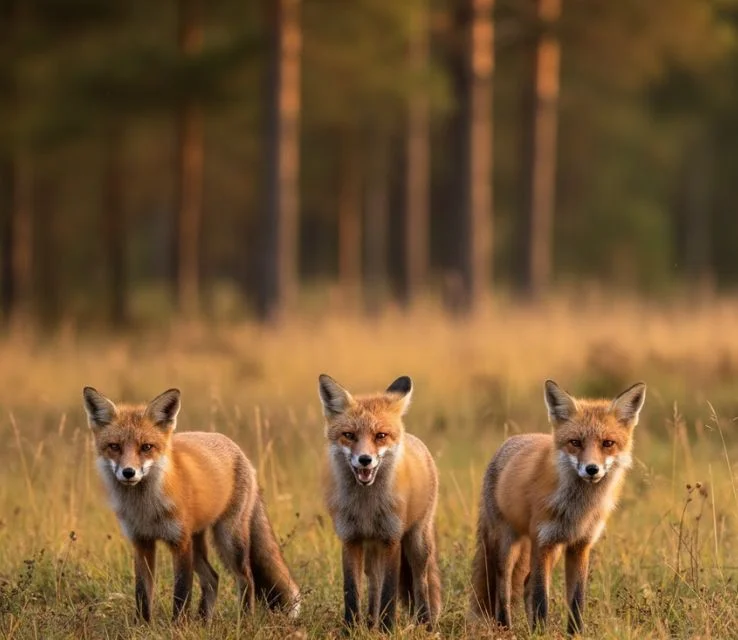
Why Do Foxes Laugh? Wild foxes produce a variety of vocalizations, some of which resemble laughter. These high-pitched yips and chortles often occur during play or social interaction, creating a lively and engaging atmosphere. Although not officially classified as “laughter,” these sounds serve as a form of communication, expressing excitement and strengthening social bonds within their groups.
These vocalizations can also reflect different emotional states, highlighting the intelligence and social complexity of foxes. Playful behaviors, such as chasing and wrestling, not only build connections but also support learning and adaptability. Ultimately, these intriguing sounds offer insight into the rich and expressive nature of animal communication.
Are Foxes People-Friendly?
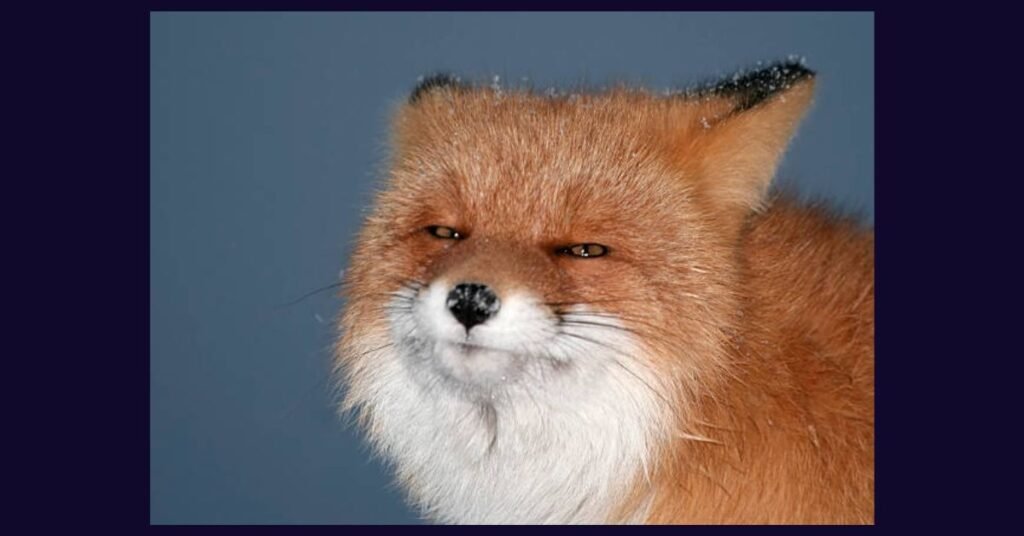
Foxes are often seen as both cunning predators and charming wildlife. In some cases, especially in urban areas, they display curiosity and confidence around humans, reflecting their remarkable adaptability to changing environments. These encounters can feel engaging, but they highlight the fox’s ability to adjust rather than a desire for companionship.
Despite their seemingly friendly behavior, foxes remain wild animals guided by instinct. It is important to maintain a respectful distance to avoid causing stress or disruption. Understanding this balance allows us to appreciate their presence while supporting a safe and harmonious coexistence with wildlife.
Why Do Foxes Make Laughing Sounds?
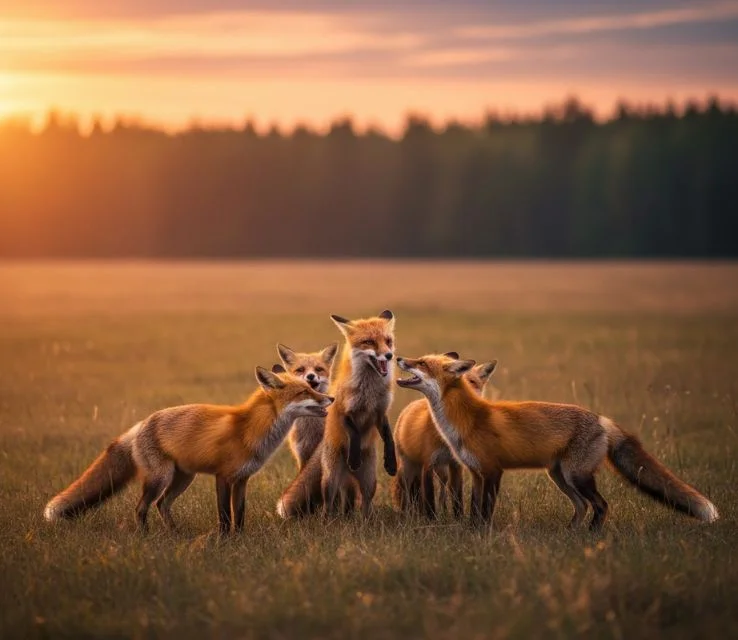
Foxes are known for their distinctive “laughing” sounds, which serve as a form of communication rather than simple expressions of joy. These vocalizations can signal excitement, mark territory, or warn of potential threats, reflecting the complexity of their social behavior.
The tone and pitch of these sounds vary depending on the situation. Playful interactions, especially among young foxes, often produce high-pitched, lively calls, while more tense or aggressive encounters result in deeper, harsher sounds. This range highlights the fox’s emotional depth and adaptability, revealing a sophisticated system of communication within their social groups.
Do Gray Foxes Laugh?
Gray foxes, known for their elusive nature, produce a range of vocalizations that can resemble laughter. While not true laughter, their barks, yips, and growls serve as expressive forms of communication, often heard during play or interactions within family groups. These sounds suggest social bonding and emotional expression, particularly among young foxes.
Research shows that these vocalizations frequently accompany playful behaviors such as chasing or mock fighting, creating an atmosphere of excitement. Although not laughter in the human sense, they reflect a level of joy and social connection, highlighting the emotional complexity of gray foxes and offering insight into the broader language of animal communication.
Why Do Foxes Look Like They’re Smiling?
Why Do Foxes Laugh? Foxes are often seen as cunning animals, yet their seemingly cheerful “smile” can be misleading. This expression is largely due to their jaw structure and facial muscles, which naturally create a grin-like appearance rather than signaling true emotion.
Their playful and curious nature further enhances this impression. Behaviors such as pouncing, chasing, and social play can produce expressions that resemble joy, reinforcing the illusion of a smile.
In reality, this relaxed facial posture may also serve a communicative purpose, signaling non-aggression and easing interactions with other foxes. Ultimately, a fox’s “smile” reflects a blend of biology, behavior, and subtle social communication.
Conclusion
Why Do Foxes Laugh? The “laughter” of foxes is a fascinating aspect of their social behavior and communication. Far from being a simple sound, it serves meaningful roles in interaction while adding to the unique charm of these intelligent animals. Understanding these vocalizations offers valuable insight into their social dynamics and emotional complexity. As research continues, it deepens our appreciation of foxes and the broader natural world—reminding us that even the smallest sounds can reveal rich stories of wildlife.
FAQs
Why do foxes appear to laugh?
Foxes produce a range of vocalizations, some of which resemble laughter. These sounds often signal excitement, playfulness, or social bonding within their groups.
Is fox laughter the same as human laughter?
No, fox “laughter” is not the same as human laughter. It is a distinct vocal expression used for communication rather than an emotional response identical to ours
What does fox laughter sound like?
It typically consists of high-pitched yips or cackling sounds, which can vary depending on the fox and the context.
Do all fox species laugh?
Many fox species produce similar vocalizations, but the sounds and their meanings can vary. The red fox is particularly known for its laughter-like calls.
Is fox laughter a sign of aggression?
No, these sounds usually indicate excitement or playfulness. Aggressive vocalizations tend to be deeper and harsher in tone.
What attracts foxes to urban areas?
Urban environments offer accessible food, shelter, and fewer natural predators, leading to increased fox activity and vocalization
In what situations do foxes laugh?
Foxes often make these sounds during play, social interactions, or when they feel relaxed and secure in their environment.
Why do foxes laugh?
Foxes produce a variety of vocalizations, and what we sometimes interpret as laughing is actually their way of communicating, often expressing excitement or playfulness.
You may like these articles
https://havenzoo.com/how-to-keep-your-dog-healthy-a-complete-care-guide/
https://havenzoo.com/what-is-a-cattery-how-to-choose-the-best-cattery/
https://havenzoo.com/fresh-breath-and-healthy-teeth-the-complete-guide-to-dog-oral-hygiene/