
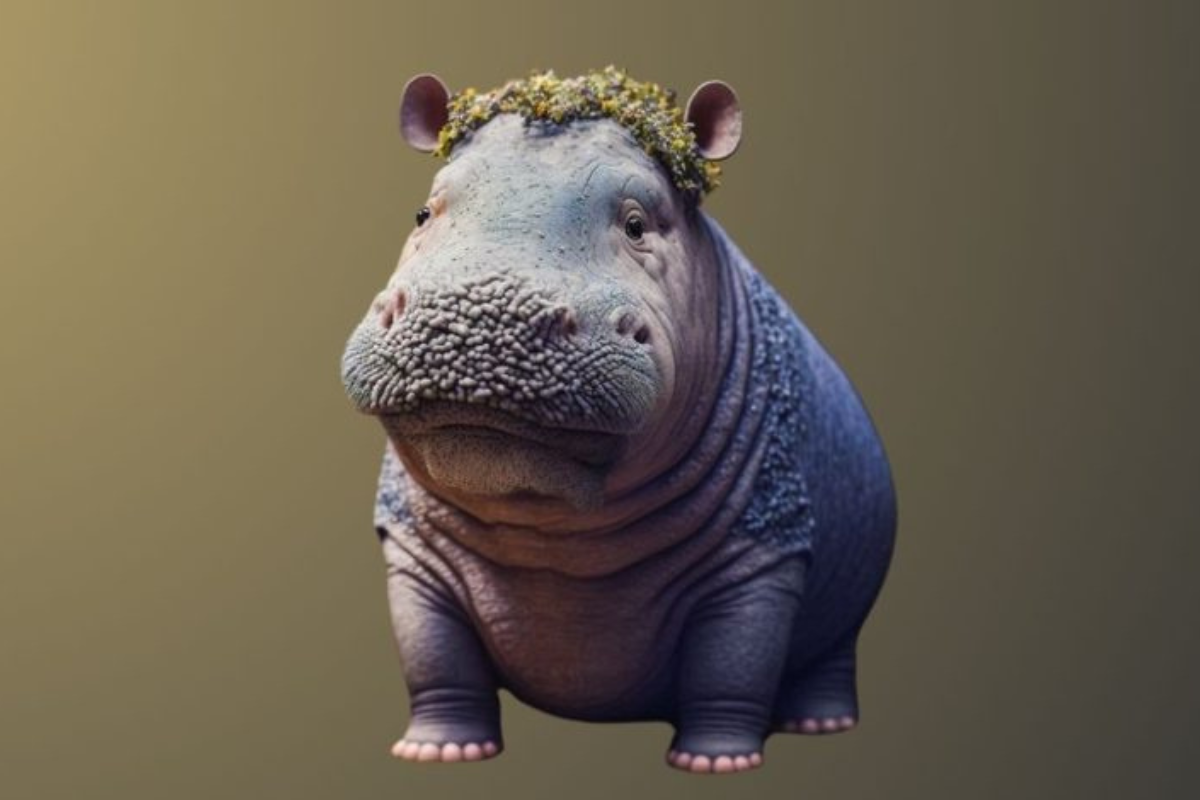
When you think of hefty animals, the hippopotamus undoubtedly comes to mind, with its massive frame and impressive girth. These semi-aquatic giants, commonly found in rivers and lakes across Africa, are among the bulkiest animals on Earth. However, their size is not just a result of genetics—it is closely linked to their unique anatomy, lifestyle, and survival strategies.
Despite their enormous build, hippos are surprisingly agile in water, a trait that highlights their remarkable adaptation to their environment. Understanding why are hippos so fat not only deepens our appreciation of these extraordinary animals but also sheds light on the challenges they face in the wild.
In this article, we explore the key reasons behind their bulk and what makes them truly unique.
Why are Hippos So Fat?
Hippos are undeniably among the largest land mammals, and their impressive girth serves several important ecological purposes
- Special Adaptations
- Special Stomach
- Large Appetite
- Quite Muscular
- Slow Metabolism
- Growing Time
- Big Size
Special Adaptations
Hippos are adapted to both water and land life. Their large bodies, buoyancy, protective skin fluid, and strong jaws help them stay cool, move easily, avoid sun damage, and survive.
Special Stomach
Hippos have a special stomach with multiple compartments that helps digest tough grass through fermentation and improve nutrient absorption. This adaptation supports survival, influences grazing behavior, and strengthens social interactions in groups.
Large Appetite
Hippos have a large appetite and graze extensively. They act as ecosystem engineers by maintaining grasslands and supporting biodiversity. Their waste contributes to nutrient cycling, which enriches aquatic life and helps maintain ecological balance.
Quite Muscular
Hippos are highly muscular animals with strong jaws, thick skin, and powerful limbs. Their strength allows them to move efficiently on land and in water. These adaptations provide stability, protection, and support for survival in their natural habitat.
Slow Metabolism
Hippos have a slow metabolism adapted to a low-calorie diet, allowing efficient energy use and survival. This shows how metabolism supports long-term sustainability and adaptation to environmental conditions.
Growing Time
Hippos grow slowly, symbolizing patience, strength, and resilience. Their nurturing behavior highlights the importance of support and community, showing that growth flourishes over time through care and adaptation.
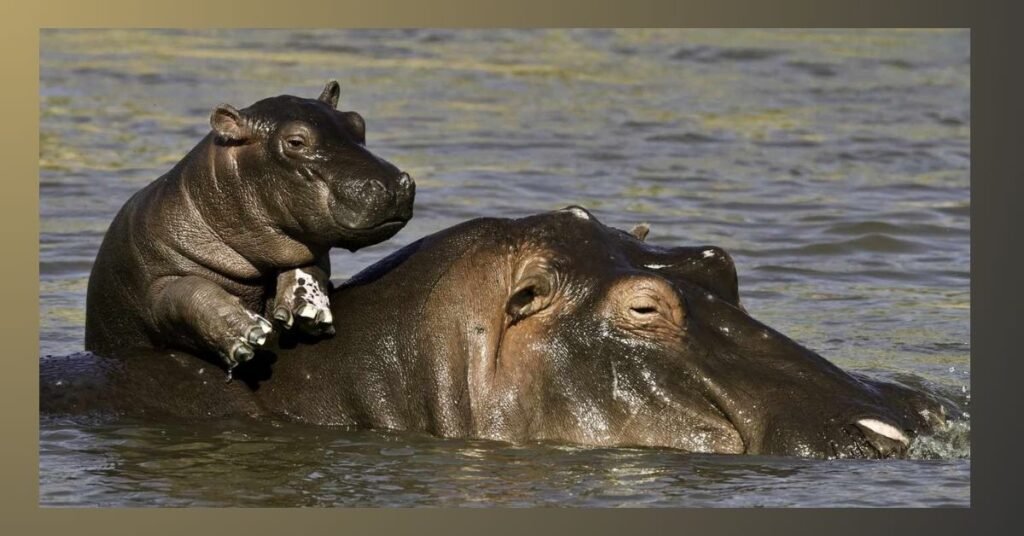
Big Size
Their size shapes river habitats, supports aquatic life, and demonstrates how body mass influences survival and ecological impact.
What is The Average Hippo Hugeness?
The average hippo, or Hippopotamus amphibius, typically weighs between 3,000 and 4,000 pounds, making it one of the largest land mammals. Adult males often grow larger, reaching lengths of up to 16.5 feet, while females tend to be slightly smaller yet still formidable.
Not just hefty, these massive creatures are surprisingly agile, capable of running on land at speeds up to 19 mph. Their sheer size is a testament to evolutionary adaptations, enabling them to thrive in aquatic environments while maintaining the ability to navigate dense vegetation on land.
Historically, hippos roamed much wider territories, including parts of Europe and the Middle East, as indicated by fossil records. Ancient Egyptian artwork revered them, depicting these creatures in various forms, ultimately leading to their symbolic representation of strength and ferocity.
Although hippos were once a common sight across extensive regions, habitat loss and poaching have significantly diminished their populations, raising critical questions about conservation efforts. Today, understanding their average size not only highlights their impressive biology but also invites us to reflect on the responsibilities we hold in preserving the delicate ecosystems they inhabit.
Is Hippopotamus Thickest of All the Animals?
When discussing the “fattest” animals, hippos are often the first to come to mind due to their large girth and robust build. However, other animals such as elephants and certain whale species surpass them in overall mass and body volume. Elephants, for instance, weigh significantly more and possess a broader frame, making them true giants in the animal kingdom.
The idea of “fatness” also depends on context. Hippos have dense bones that help them stay submerged in water, an adaptation suited to their semi-aquatic lifestyle. In contrast, whales rely on insulating blubber, while animals like rhinoceroses have thick skin for protection. Each species’ build reflects unique evolutionary needs, showing that “fatness” is relative and shaped by survival strategies.
Why Are Hippos So Fat? Top 3 Reasons
These are the Main three reasons why are hippos so fat
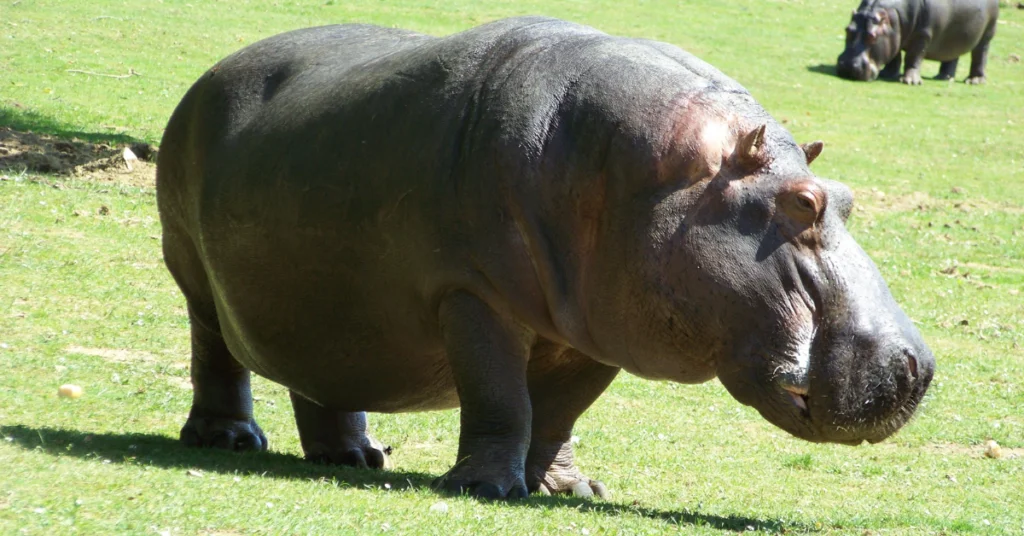
Being Overweight
Being overweight is often misunderstood, but overweight and health depend on factors like genetics, lifestyle, and environment. Like hippos, human bodies can adapt in remarkable ways, showing that weight alone does not define health. Focusing on overall well-being and self-acceptance leads to a more balanced view of overweight and health.
Energy Storage
Living in Africa’s intense heat, these massive animals rely on stored fat for energy, helping them survive periods of scarce food and dry seasons.
The Thick Fat
The thick fat of hippos serves as both protection and buoyancy in water. Their subcutaneous fat layer provides insulation, helps regulate body temperature, and supports survival in varying conditions.
This fat also plays a role in their behavior, allowing hippos to stay submerged, interact safely, and maintain social bonds. Overall, it highlights their adaptability and importance in their natural environment.
Conclusion
We have answered the question “Why are Hippos so fat?” The impressive size of the hippopotamus is the result of millions of years of evolution shaped by its semi-aquatic lifestyle. Their large bodies help store energy, regulate temperature while submerged, and support survival on a grass-based diet. Rather than being a limitation, their weight is a key adaptation that allows them to thrive in their environment. Understanding these factors highlights their important ecological role and reinforces the need to protect their natural habitats.
FAQs
Why do hippos have a thick layer of fat under their skin?
Hippos have a thick layer of fat for buoyancy and insulation, helping them stay warm in cool waters.
Why is Hippo fat important?
Hippo fat serves as a crucial energy reserve, helping them survive through food-scarce seasons and supporting their large body size.
Why are hippos so fat?
Hippos are genetically predisposed to grow large due to evolutionary adaptations that help them thrive in their aquatic habitats.
Is a hippo fat?
Yes, hippos are often described as fat due to their large, rotund bodies and significant mass.
You may read these articles
https://havenzoo.com/why-do-foxes-laugh/
https://havenzoo.com/how-to-keep-your-dog-healthy-a-complete-care-guide/
https://havenzoo.com/breeds-toy-aussie-your-complete-guide/