
Have you ever encountered a pet that simply won’t listen to a command? While this behavior might frustrate us, it’s a natural survival tactic for many animals. In “Stubborn Animals in the World,” we delve into the exceptional cases of animals that exhibit extraordinary stubbornness, illuminating how this trait affects their lives and interactions in the wild.
Prepare to discover the fascinating reasons behind their defiance and what it teaches us about the intricacies of animal behavior. In this list, you will learn about animals that are Stubborn in the world.
List of Top 10 Animals That Are Stubborn
Number | Stubborn Animals Names |
| 1 | Mules |
| 2 | Mules |
| 3 | Cows |
| 4 | Donkeys |
| 5 | Goats |
| 6 | Cats |
| 7 | Badger |
| 8 | Tortoises |
| 9 | Camels |
| 10 | Horses |
Mules
Scientific name: Equus mulus
Class: Hybrids
Diet: Herbi
Animals that are Stubborn Mules, the sturdy hybrids of donkeys and horses, are remarkable animals known for their strength, intelligence, and resilience. Renowned for their exceptional stamina and adaptability, they thrive in challenging environments and are widely valued in agriculture, transport, and labor-intensive tasks. Their ability to navigate difficult terrain with ease makes them especially useful in industries such as farming and logging.
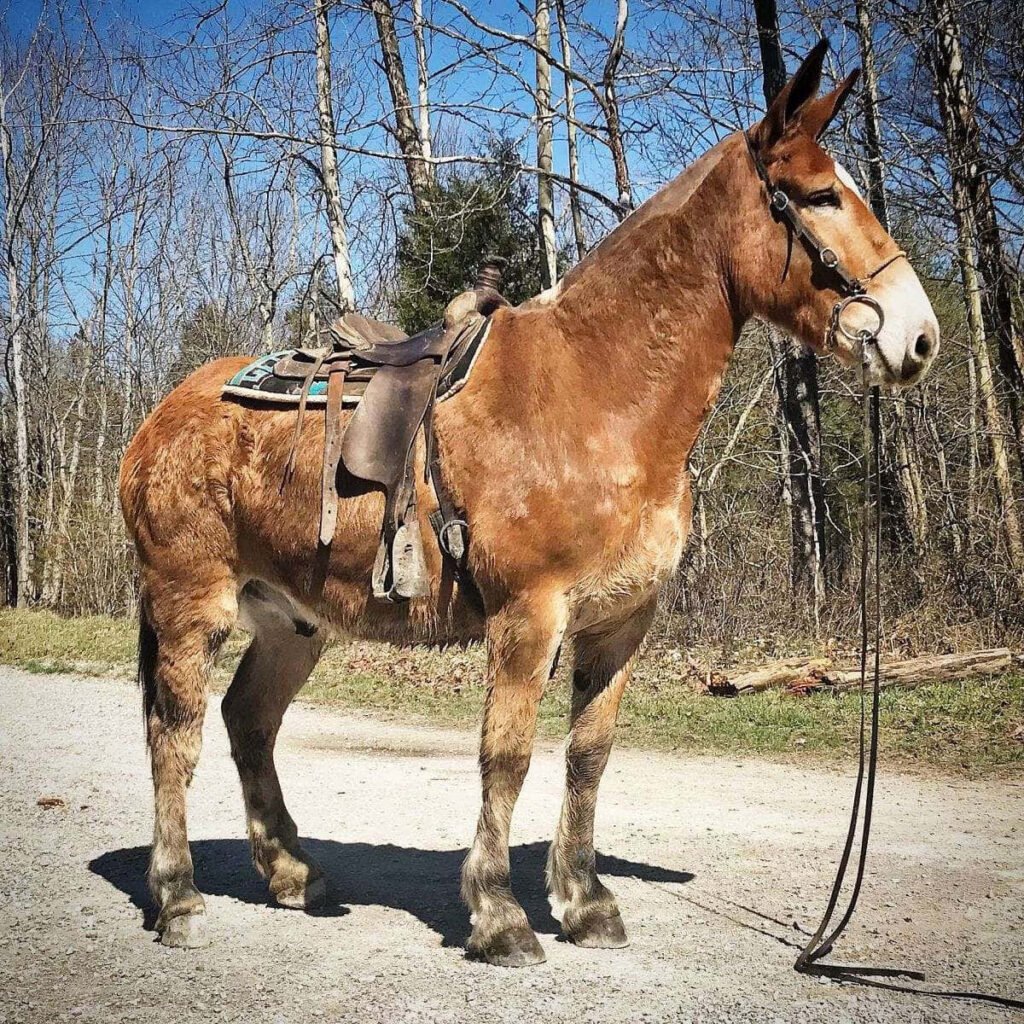
Often misunderstood as stubborn, mules are actually highly intelligent and cautious animals. A strong sense of self-preservation drives their behavior, as they carefully assess situations before acting. This thoughtful approach makes them more reliable in unpredictable conditions. Additionally, mules can form strong bonds with their handlers, built on trust and mutual respect. Understanding and appreciating their unique traits allows us to recognize the true value of these exceptional animals.
Bulls
Scientific Name: Bos taurus
Class: Mammalia
Diet: Herbivores
Animals that are Stubborn Bulls are often associated with stubbornness, a trait that extends beyond their physical strength and is evident in both behavior and instinct. This tenacity can be seen as a survival mechanism; in the wild, a bull’s refusal to yield to perceived threats reflects resilience and self-preservation.
This stubbornness is not merely obstinacy—it can also serve as a lesson in determination. Bulls approach challenges with focus and persistence, qualities that humans can observe and learn from. Understanding and respecting a bull’s firm-willed nature allows handlers to engage more safely and effectively, fostering a relationship based on awareness and patience.
In this light, the bull’s steadfastness becomes both a reflection of its individuality and an opportunity for humans to appreciate the strength inherent in determined, intelligent livestock.
Cows
Scientific Name: Bos taurus
Class: Mammalia
Diet: Herbivores
Animals that are Stubborn Cows, often seen as docile creatures grazing peacefully in pastures, possess a surprisingly stubborn streak that reflects their complex personalities. This behavior is rooted in both strong herd instincts and individual preferences. When a cow refuses to move or follow a command, it is rarely mere defiance; rather, it reflects a deep-seated need for safety and comfort. Unlike many other livestock, cows are highly social animals that thrive within established hierarchies, and any disruption to their routine or social order can prompt resistance.
This stubbornness can, however, be a valuable trait. Farmers who understand and respect a cow’s moods can foster more harmonious interactions, approaching training and handling with patience and empathy. Far from being passive participants in agriculture, cows express individuality within the herd. Seen in this light, their stubbornness becomes an opportunity for deeper understanding—highlighting their autonomy and the importance of a compassionate, informed approach to animal husbandry.
Donkeys
Scientific Name: Equus asinus
Class: Mammalia
Diet: Herbivores
Animals that are Stubborn, the perception of donkeys as stubborn often overshadows their remarkable intelligence and resilience. This stereotype stems more from misunderstanding than from reality. When faced with challenging situations, donkeys exhibit a cautious nature, frequently refusing to proceed if they sense danger. Far from obstinacy, this behavior reflects their instinctive survival skills and keen awareness of their environment.
Donkeys also possess a distinctive form of communication that underscores their social intelligence. Through vocalizations, body language, and subtle eye movements, they convey emotions and assess trust with humans and other animals.
When labeled ‘stubborn,’ we risk overlooking the opportunity to engage with them meaningfully and appreciate their need for secure, trusting relationships. Recognizing and respecting their true nature can foster a rewarding bond, revealing the profound wisdom of these often-misjudged creatures.
Goats
Scientific Name: Capra hircus
Class: Mammalia
Diet: Herbivores
Goats have long been labeled as stubborn, but this reputation only scratches the surface of their complex personalities. Beyond mere obstinacy, what we perceive as stubbornness often reflects their independence and thoughtful decision-making.
When confronted with a challenge, goats tend to evaluate their options carefully rather than blindly following commands. This behavior is a testament to their social intelligence; in the wild, survival depends on the ability to assess situations and respond autonomously.
Interestingly, this so-called “stubbornness” can be turned into a positive trait by owners who understand a goat’s motivations. Instead of simply enforcing commands, successful handlers engage with goats through curiosity and play. Offering choices—like different paths to explore or a variety of treats—allows a goat’s independent nature to become a cooperative, rewarding interaction.
Such partnerships not only strengthen the bond between human and goat but also celebrate the animal’s individuality, showing that what we often call stubbornness can actually be a gateway to trust and a deeper connection.
Cats
Scientific Name: Felis catus
Class: Mammalia
Diet: Carnivores
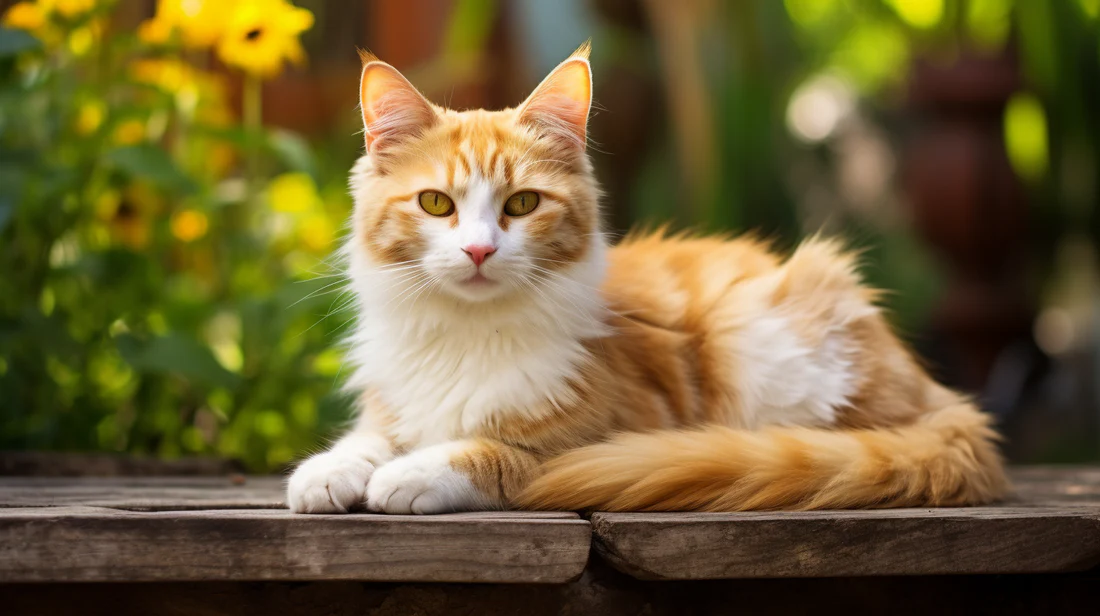
Cats are often labeled as stubborn, but this behavior stems from their independent nature and strong personalities. Unlike dogs, which tend to follow human direction, cats prefer to act on their own instincts. What may seem like defiance is often a reflection of their confidence and self-assured behavior.
Understanding this trait can improve your relationship with them. Rather than forcing obedience, offering choices—such as different toys or resting spots—helps cats feel in control while strengthening trust. This approach turns moments of stubbornness into opportunities for better communication and bonding.
By embracing their independence, owners can appreciate the unique balance between companionship and autonomy that defines the feline personality.
Badger
Scientific Name: Meles meles
Class: Mammalia
Diet: Carnivores
The term “badger stubborn” reflects an admirable, though sometimes challenging, quality: unyielding determination. Badgers demonstrate remarkable resilience in the wild, digging persistently and persevering despite obstacles. This steadfastness is a survival strategy, ensuring they secure food and protect their territories.
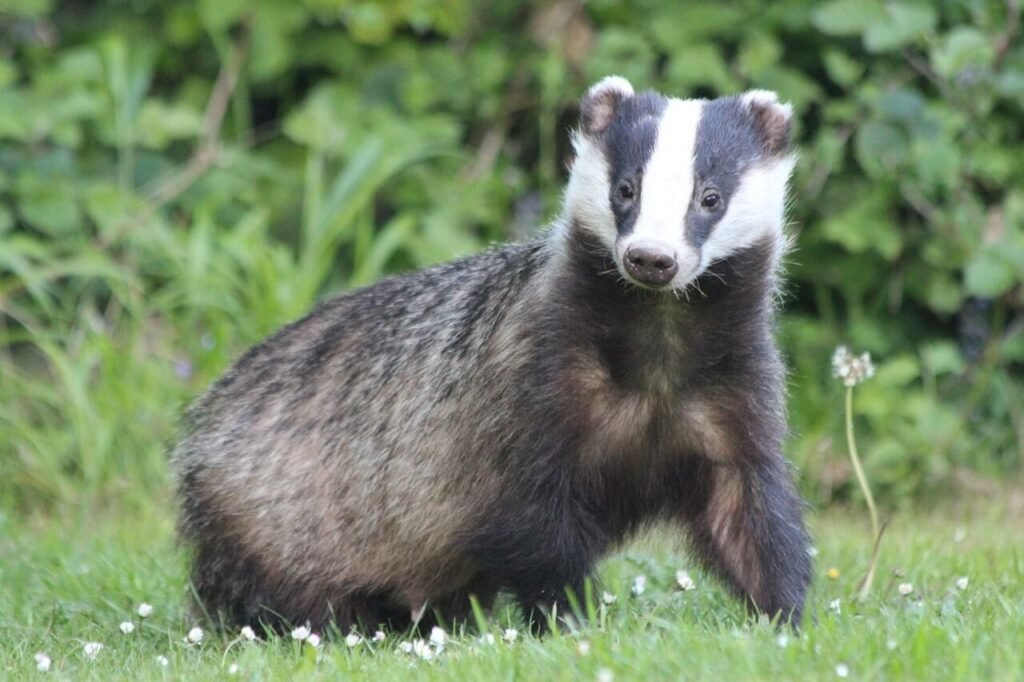
Such determination, when observed in humans, can translate into a strong commitment to goals and objectives. Yet, like the animal itself, this persistence can sometimes lead to isolation if it becomes rigid or untempered. Effective adaptation requires balancing tenacity with flexibility, allowing one to remain resolute while remaining open to new perspectives. Recognizing this duality—combining the badger’s persistence with measured adaptability—can foster both personal growth and meaningful collaboration, revealing how determination and discernment together form a powerful path to success.
Tortoises
Scientific Name: Testudinidae
Class: Reptilia
Diet: Herbivores
Tortoises are often described as stubborn, yet this perceived tenacity reflects their evolutionary adaptations. In a world where speed and agility can be advantageous, these slow-moving reptiles have developed a different survival strategy. Their steadfastness is not simply a matter of will; by adhering to familiar routines and habitats, tortoises minimize risks and conserve energy in challenging environments.
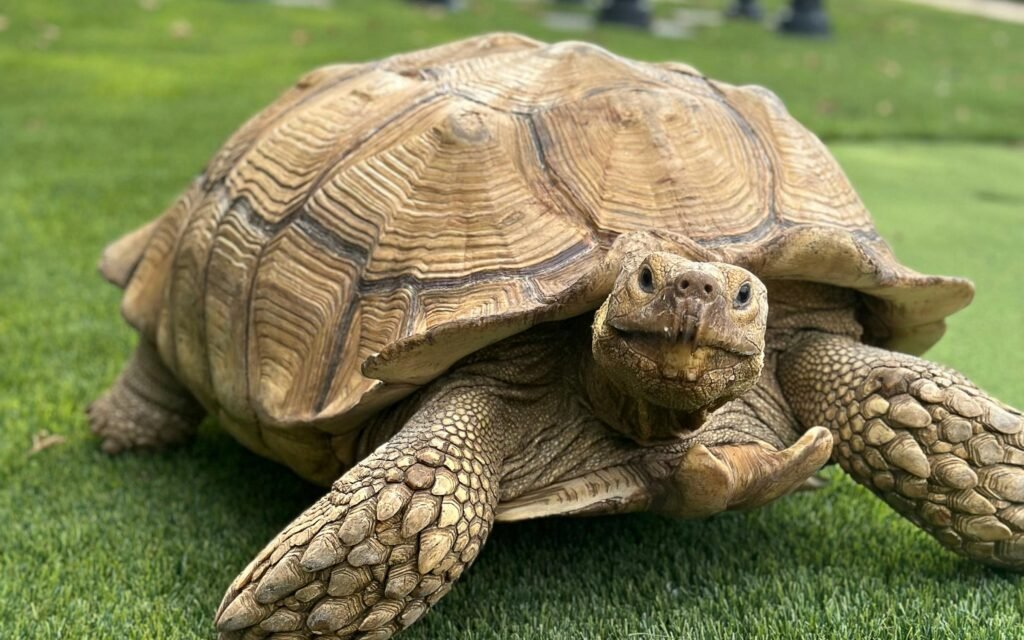
This deliberate behavior reveals a form of inherent wisdom. While many species react quickly to environmental changes, tortoises assess their surroundings methodically and proceed with caution. Observing this strategy encourages us to appreciate the value of patience and careful decision-making. Their commitment to a measured pace demonstrates that resilience often lies not in haste, but in persistence and thoughtful action.
Camels
Scientific Name:
Dromedary Camel (one-humped camel): Camelus dromedarius
Bactrian Camel (two-humped camel): Camelus bactrianus
Class: Mammalia
Diet: Herbivores
Animals that are Stubborn Camels are often labeled as stubborn, yet this behavior reflects intelligence and resilience rather than mere obstinacy. These animals possess a remarkable ability to assess their environment and circumstances, which can sometimes be interpreted as defiance. For example, a camel may refuse to move if it senses danger, demonstrating an awareness that extends beyond simple reluctance. Such instinctual caution is a vital survival mechanism, particularly in harsh and unpredictable conditions.
Camels also operate within a well-established social hierarchy, and their interactions are shaped by complex social dynamics. When a camel resists a command, it may be asserting autonomy within the herd or signaling discomfort or stress.
Recognizing these behaviors allows us to view camels not merely as beasts of burden, but as sentient beings with distinct needs and emotions. Understanding their perspective fosters cooperation and trust, transforming perceptions of stubbornness into appreciation for their intelligence and adaptability.
Horses
Scientific Name: Equus ferus caballus
Class: Mammalia
Diet: Herbivores
Horses are often perceived as stubborn, yet this trait frequently reflects intelligence and complex personality rather than mere obstinacy. When a horse refuses to move or cooperate, it may appear defiant, but such behavior often stems from discomfort, fear, or boredom. Recognizing this shifts the focus from punishment to empathy, allowing handlers to respond to the horse’s needs with understanding.
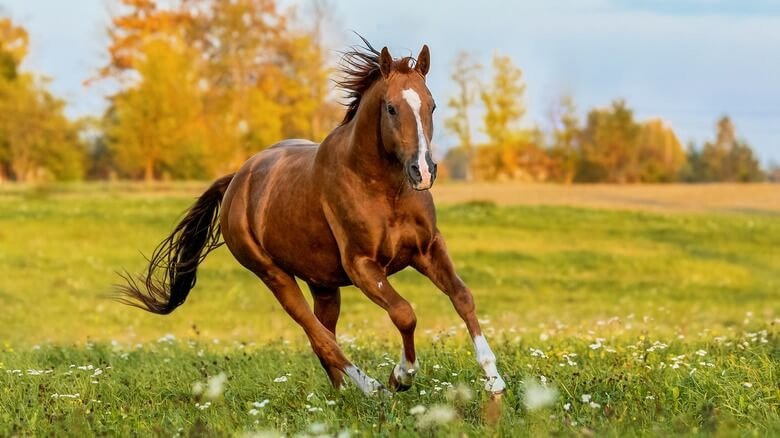
Horses’ hesitations also arise from their instincts and survival skills as prey animals. This natural caution, often mistaken for obstinacy, serves as a protective mechanism and can strengthen the bond between horse and handler when approached appropriately. Viewed in this light, what is labeled as stubbornness becomes an opportunity for meaningful communication, fostering a partnership grounded in trust, respect, and mutual understanding.
conculsion
Animals that Are Stubborn in the world. The stubbornness exhibited by these top 10 animals reflects their remarkable adaptability and individuality. Each species has developed persistence as a strategy for survival or social interaction, offering valuable insights into its behavior and character. While such behaviors may occasionally be challenging for humans, they also demonstrate a natural sense of dignity and autonomy. By understanding and respecting these traits, we can foster stronger, more meaningful connections with the animals in our care. Ultimately, what we perceive as stubbornness is often a window into their intelligence, resilience, and unique spirit.
FAQs
What Animal Is Stubborn?
The Animals that Are Stubborn in the world. Many people consider mules, goats, and donkeys to be particularly stubborn due to their independent nature.
What Is The Most Stubborn Domestic Animal?
Yes, other animals like goats, pigs, and even certain dog breeds can show stubborn behavior depending on the situation.
What Animal Is Sly?
Animals like foxes, raccoons, and certain birds (like magpies) are often labeled as sly due to their cleverness and trickster behavior.
You may read these articles
https://havenzoo.com/why-are-hippos-so-fat/
https://havenzoo.com/why-do-foxes-laugh/