
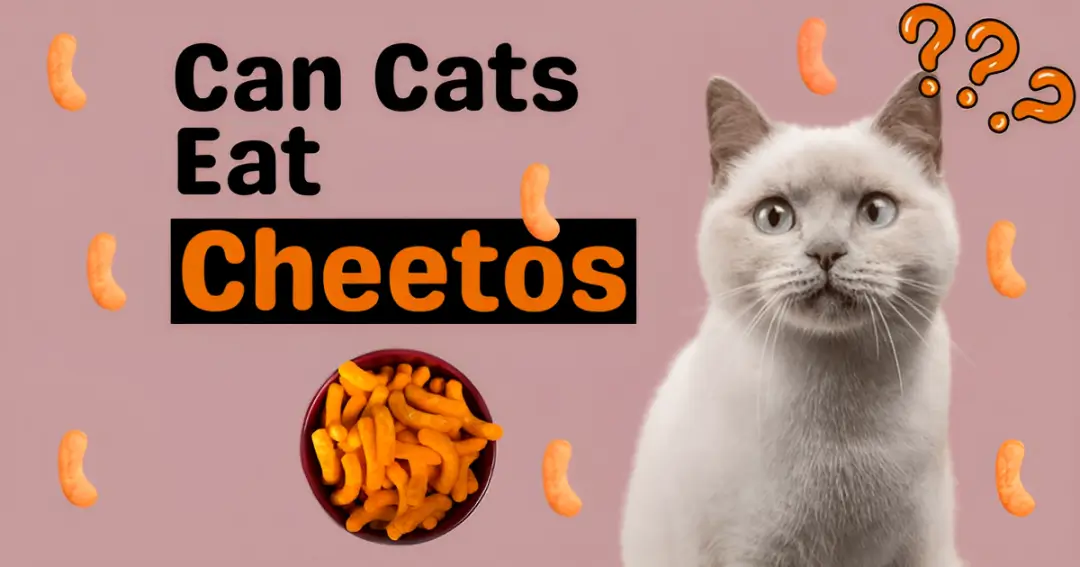
Cheetos are a popular snack among many people—crisp, cheesy, and highly enjoyable. However, as a pet owner, you may be tempted to give your cat a piece as well, especially if they show curiosity. This raises a common question: Can Cats Eat Cheetos? What You Need to Know!
In this article, we will examine the ingredients of Cheetos, the associated risks, and expert opinions on whether offering Cheetos to cats is appropriate. We will also reference guidance from AnimalsInfo, a reputable source for pet nutrition and safety.
What Are Cheetos Made Of?
Can Cats Eat Cheetos? What You Need to Know! Before determining whether Cheetos are safe for cats, it’s important to look at their ingredients and how they affect feline health.
- Main Ingredients: Cheetos usually contain cornmeal, vegetable oil, cheese seasoning, salt, preservatives, artificial flavorings, and colorings.
- Designed for Humans: These snacks are created for human taste preferences, not for a cat’s dietary needs.
- Highly Processed: Most of the ingredients are heavily processed and contain added seasonings.
- Not Suitable for Cats: Cats require a protein-rich diet, while Cheetos offer little to no nutritional value for them.
- Opposite of a Natural Diet: The salty, processed nature of Cheetos is the opposite of what a healthy feline diet should include.
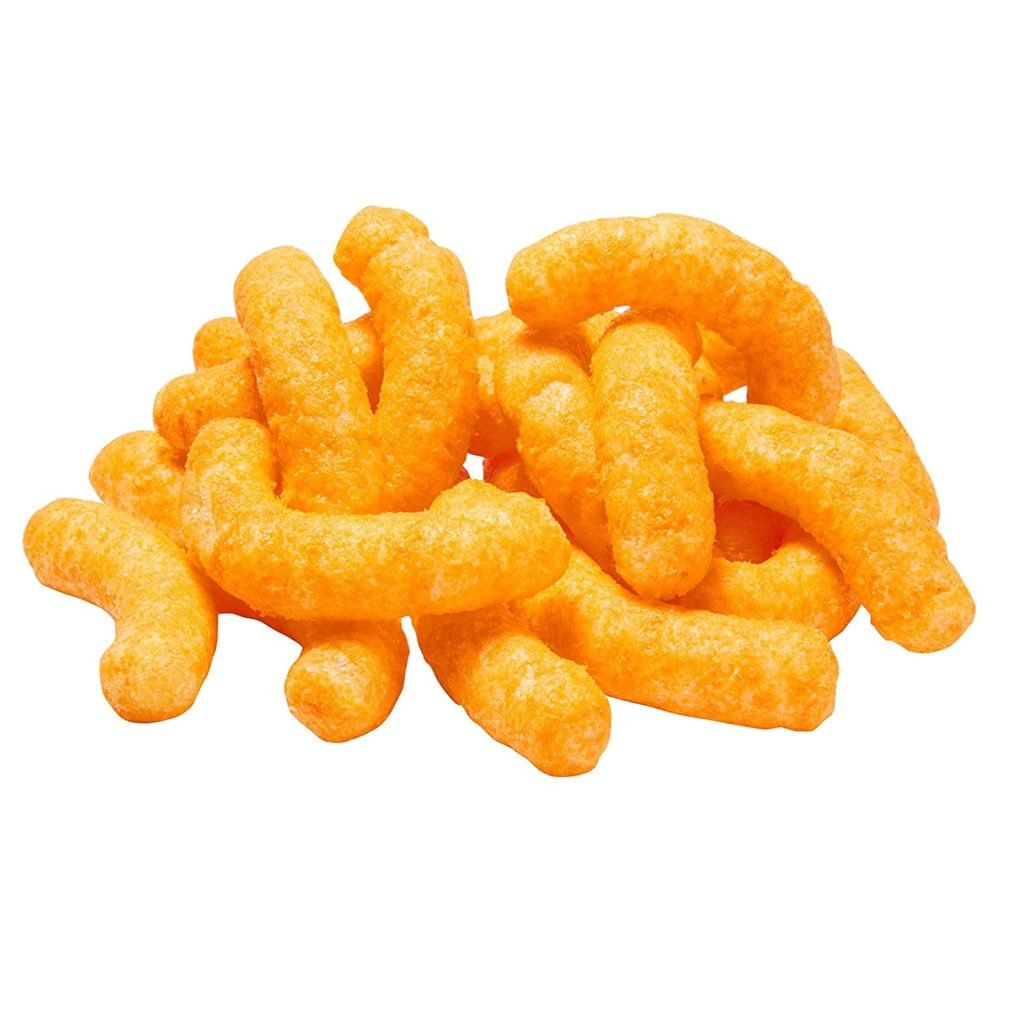
Can Cats Eat Cheetos? What You Need to Know!
It may be tempting to share a snack like Cheetos with your feline companion, but it is important to understand the potential implications. Cheetos are high in salt and artificial flavors, which can upset a cat’s sensitive digestive system and contribute to dehydration.
Cats are obligate carnivores, meaning their bodies are naturally adapted to thrive on animal-based protein, not processed snacks filled with empty calories. While one Cheeto might not send your cat to the vet, it certainly won’t benefit their health either.
Risks of Feeding Cheetos to Cats
1. High Sodium Content
Cheetos contain a high level of salt. Cats have a low tolerance for sodium, and excessive intake can lead to:
- Dehydration
- High blood pressure
- Kidney stress or dysfunction
Even a small portion of Cheetos contains more salt than a cat should consume in an entire day.
2. Spices and Seasonings
- Many varieties of Cheetos are seasoned with spices, including garlic and onion powder, which are toxic to cats in significant amounts.
- Even trace amounts can irritate a cat’s stomach or cause digestive discomfort.
3. Dairy Sensitivity
- Although cats are often depicted drinking milk, most adult cats are lactose intolerant.
- The cheese flavor in Cheetos is artificial and dairy-based, which can cause gas, bloating, or diarrhea in sensitive cats.
4. Empty Calories
- Cheetos provide no nutritional benefit for cats.
- Regular consumption of processed snacks can lead to weight gain, lethargy, and overall poor health.
What Happens If a Cat Eats Cheetos?
If your cat happens to eat a small piece of a Cheetos, there is generally no cause for alarm. Serious harm is unlikely unless your cat has a specific allergy or an underlying health condition. However, it is important to take the following precautions:
- Monitor for signs of discomfort such as vomiting, diarrhea, or excessive thirst.
- Ensure access to fresh water at all times.
- Do not offer additional Cheetos.
- Consult your veterinarian if any symptoms worsen or persist.
It is important to remember that Cheetos should never be included as a regular treat or as part of your cat’s diet.
Why Cats Like Crunchy Snacks (Even the Wrong Ones)
Cats are known for their unique food habits, especially their love of crunchy snacks. The sound and feel of crunching excite their senses and mimic the crackle of prey, tapping into their natural hunting instincts.
Crunchy foods can also help satisfy their chewing needs and support dental health. Sometimes, cats are drawn to artificial or unusual ingredients simply because of the texture or novelty, showing that they often value sensory stimulation over nutrition.
What Should Cats Eat Instead?
Cats are obligate carnivores, so their diet should focus on animal-based proteins like chicken, turkey, or fish. Adding small amounts of organs, such as the liver, boosts nutrition. Offering different textures and flavors, including raw or homemade meals, provides mental stimulation.
Ensure taurine-rich foods for heart and eye health, and consider supplements like omega fatty acids for coat health. In moderation, vegetables and grains can aid digestion. Introduce new foods gradually and monitor your cat’s reactions to maintain overall well-being.
Human Foods That Are Safer Than Cheetos
Some human foods are safer for cats than junk foods like Cheetos, but they should still be given only in small amounts. Cats need mainly animal-based protein. Here are a few safer options:
- Cooked plain chicken – A good source of protein and easy for cats to digest.
- Scrambled eggs (no salt or spices) – Provide protein and healthy nutrients.
- Cucumber slices – Low in calories and can help with hydration.
- Plain cooked pumpkin – Helps with digestion and stomach health.
Even with these foods, moderation is important. Introduce any new food slowly and watch your cat for allergies or stomach problems. Cats should still get most of their nutrition from balanced cat food.
Expert Insight: What AnimalsInfo Recommends: Can Cats Eat Cheetos? What You Need to Know!
Can Cats Eat Cheetos? What You Need to Know!Expert Insights from AnimalsInfo to discover the best food recommendations for your cat. Snacks like Cheetos offer no nutritional benefits for cats and may pose health risks due to high salt and additives.
They recommend avoiding such foods and choosing protein-based, vet-approved treats instead.
This approach reflects responsible pet ownership by prioritizing a cat’s long-term health and proper nutrition.
Should You Ever Feed Your Cat Processed Snacks?
Processed snacks like Cheetos may seem tempting, but they often contain artificial flavors, excess sugar, and unhealthy fats that can harm cats. Instead, offer occasional homemade treats such as cooked chicken or plain pumpkin. Prioritizing a balanced diet and giving treats in moderation helps keep your cat healthy and thriving.
Final Thoughts: Keep Your Cat’s Diet Clean and Simple
For cats, a simple, whole-food diet is best. High-quality proteins without fillers or artificial additives support health, energy, and a vibrant coat. Clear, balanced meals also help owners make informed choices and strengthen the bond with their feline companions. And when in doubt, rely on trusted resources like AnimalsInfo or consult your veterinarian.
Conclusions
Can Cats Eat Cheetos? What You Need to Know! In conclusion, while Cheetos may not cause immediate harm, they are unsuitable for a cat’s diet. Their high salt content and artificial additives can contribute to long-term health issues, including obesity and kidney problems. Prioritizing a balanced, species-appropriate diet and offering vet-approved, healthier treats helps ensure your cat’s nutritional needs are met safely. Always consult your veterinarian when selecting treats for your feline companion.
learn more, you may read these articles about information
https://havenzoo.com/the-healing-power-of-pets-how-support-addiction-recovery/
https://havenzoo.com/how-to-hire-a-reactive-dog-trainer-in-colorado-springs/https://havenzoo.com/attention-barking-vs-anxiety-barking/