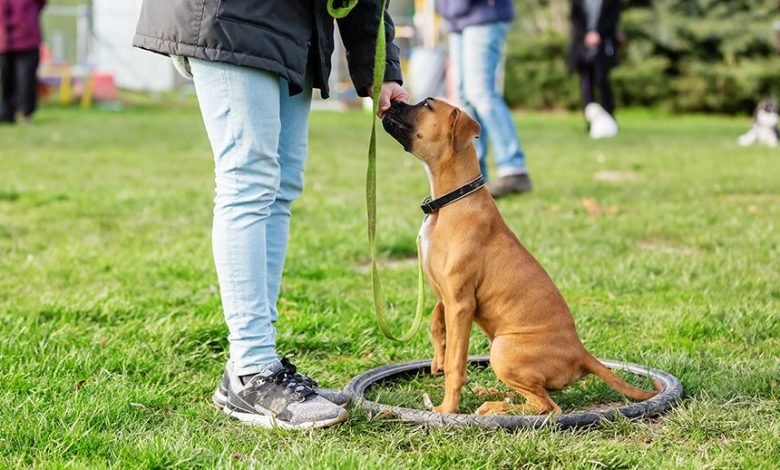
If you’re reading this, you are a kind and caring person. You deeply love your pet dog, and you want their life to be calm and joyful. Imagine you have a reactive dog who barks, lunges, or gets anxious around other people or cars.
Managing a dog like this can be really challenging, and you might be unsure of what to do next. A good trainer is what you need—someone who can handle everything and make things better for you. So, hire a good trainer who will care for your reactive dog, and make sure you understand how to do this properly.
Look for Credentials
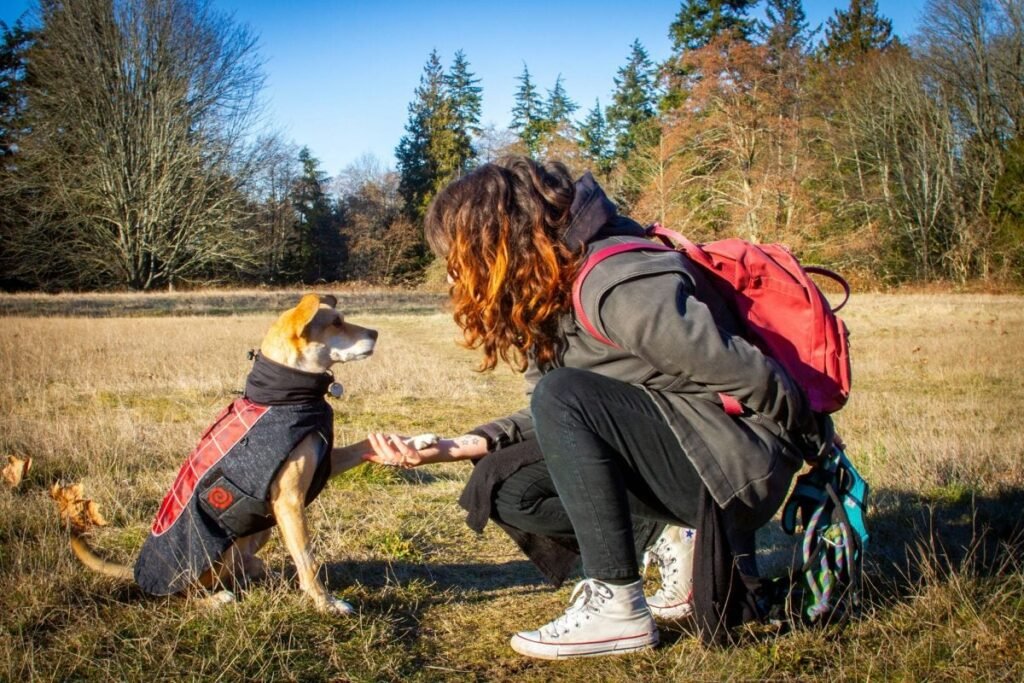
When you’re looking for a trainer, there are a few important things to keep in mind.
- First Check the trainer’s employment history.
- Look for trainers with experience in rehabilitating reactive dogs.
- Ensure they have training records from previous places.
- Check what types of dogs they are most skilled at handling—this will help you decide better.
- Evaluate their experience working with dogs.
- You can also gather more information about them on online websites.
Ask for Recommendations
- Ask friends, relatives, or people you know who have used a trainer before.
- Talk to people who have dogs with reactive behavior and ask them about trainers they recommend.
- Consult your veterinarian, as they may know trainers who specialize in solving specific dog behavior problems.
- You can look at reviews and testimonials, but don’t rely on them too much because everyone’s experience may be different. Find out more here.
How to Choose a Good Dog Trainer
- Choose a trainer who believes in the same training approach as you. Positive and friendly methods work best.
- Avoid trainers who use choke chains, shock collars, or physical punishment. These can make your dog more stressed.
- Ask how they plan to train your dog and why. A professional trainer should clearly explain their methods.
- Schedule a meeting, ask questions, and see if the trainer’s personality fits both you and your dog.
- Observe how they handle your dog—are they gentle, patient, and willing to build trust first?
- Check their problem-solving skills: Notice how the trainer reacts if the dog hesitates or misbehaves. A good trainer stays calm and uses creative, positive ways to handle challenges, ensuring the session is productive and stress-free.
Schedule a Consultation
Call each trainer on your list and schedule a meeting.
- Ask questions during the meeting and observe how the trainer interacts with your dog.
- Decide if the trainer’s personality is friendly and a good fit for both you and your dog.
- See if the trainer is gentle and patient.
- Check if they try to build trust and a relationship with your dog before starting training.
- Notice if the trainer makes an effort to understand your dog’s temperament and helps the dog feel comfortable.
- Observe how the trainer handles situations when the dog hesitates or misbehaves.
- A good trainer stays calm, uses creative and positive methods, and ensures the session is safe, effective, and successful.
Discuss Your Goals
- Every dog owner should clearly tell the trainer what they expect from their dog’s behavior. For example, do you want your dog to be less reactive around other dogs, or are you having issues with how they act around people?
- A good trainer will set realistic goals and give you an idea of how long it might take to see progress. They should also be flexible and willing to adjust the training plan as your dog improves.
For more information, check this out: Understanding Your Dog’s Language
Consider the Cost
Training a reactive dog can be an investment, but it’s one that pays off in the long run. Costs can vary widely depending on the trainer’s experience, location, and the length of the training program. Some trainers offer package deals, while others charge per session.
When discussing costs with potential trainers, ask what is included in the fee. Will you receive written materials or follow-up support? Are there any additional costs for equipment or travel? Understanding the full scope of the costs upfront will help you make an informed decision.
Remember, the cheapest option is not always the best. It’s worth paying a bit more for a trainer who has the experience and skills needed to make a real difference in your dog’s behavior.
Trust Your Instincts
Finally, trust your instincts. You know your dog better than anyone, and if something doesn’t feel right, don’t ignore it—keep looking.
Remember, your dog’s well-being comes first. Look for a trainer who is a good fit, so your dog feels comfortable and the training is effective. The right trainer can not only improve your dog’s behavior but also strengthen the bond between you and your pet.
Conclusion
So, when you’re hunting for a dog trainer who truly understands, a well-suited trainer will not only have the skills but also respect your dog’s unique personality and challenges.
Take the time to build a rapport with prospective trainers, watch how they interact with your furry friend, and see if those tails start wagging! Remember, this is a partnership built on trust, so don’t settle for anything less than the perfect fit. Let’s sniff out the best trainer together and help your pup flourish in a happy, confident way!