
Among the mammals on our planet, some unique species cannot jump. While most animals excel at running, jumping, and climbing, certain mammals have thrived without jumping. This article highlights mammals that cannot jump, offering a detailed overview of their anatomy, lifestyle, and survival strategies. It also emphasizes their ecological importance and the roles they play in natural systems.
By the end, you’ll not only understand these unique animals better but also gain valuable insights into the complex process of evolution and the incredible diversity of the animal kingdom. Mammals That Can’t Jump
Mammals That Can’t Jump list
The list top 7 mammals that can’t jump are:
- Elephants
- Hippos
- Sloths
- Rhinos
- Porcupine
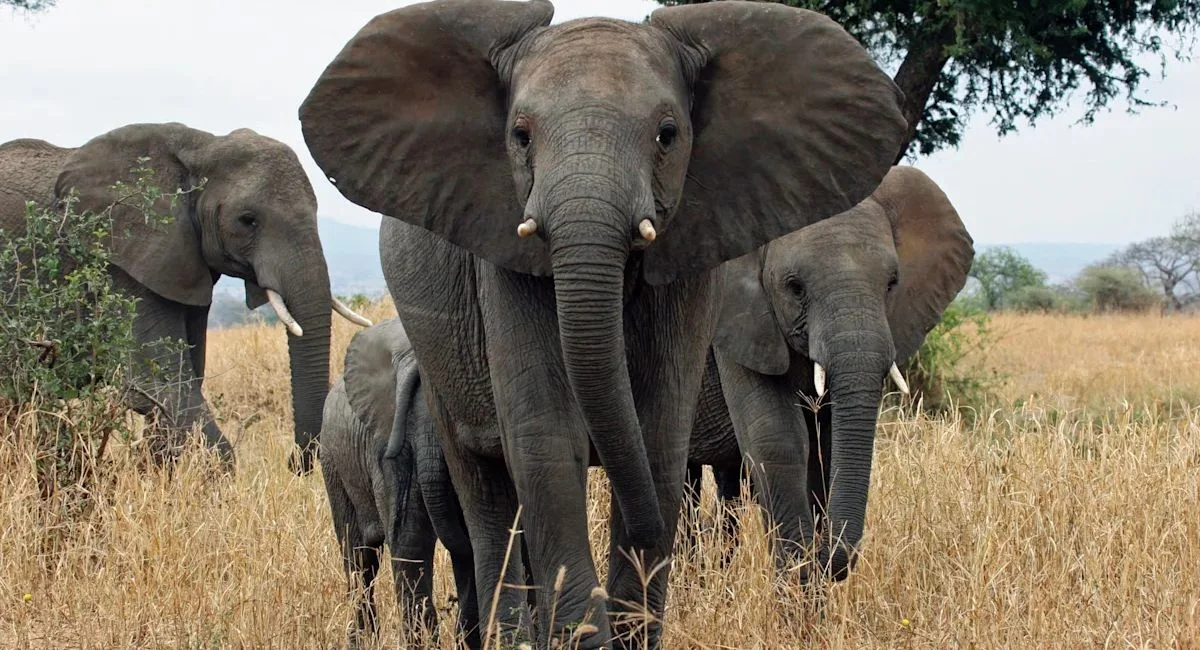
Elephants, the largest mammals on Earth, are known for their impressive size and docile nature, but their inability to jump raises interesting questions about evolutionary adaptation. Unlike many other mammals, elephants’ thick, columnar legs are designed to support their heavy weight, not for aerial locomotion. This body structure gives them the ability to move easily in environments ranging from dense forests to arid savannas, and clearly reflects a design for strength and endurance.
Interestingly, this inability to jump does not hinder elephants in their natural habitat. Rather, it gives them immense strength, allowing them to topple trees, uproot bushes, and dig water holes that are beneficial not only to themselves but also to many other species. This habit of living on the ground also fosters their complex social structure and efficient communication, where they rely heavily on their vocal and physical presence. In a world that often prioritizes speed and agility, elephants remind us of the beauty of perseverance, cooperation, and strength in ecosystems.
Hippos
Hippos, with their large bodies and attractive yet fearful appearance, are a fascinating study in the realm of mammalian locomotion. Despite their massive size, averaging 3,000 to 4,000 pounds, what sets them apart is their remarkable strength and aquatic adaptation—a rare combination among mammals. This trait reflects their evolutionary specialization for life in and around water. Lacking the ligaments and structural framework to propel themselves off the ground, hippos are surprisingly adept swimmers, using their agility and powerful limbs to glide effortlessly across rivers and lakes.
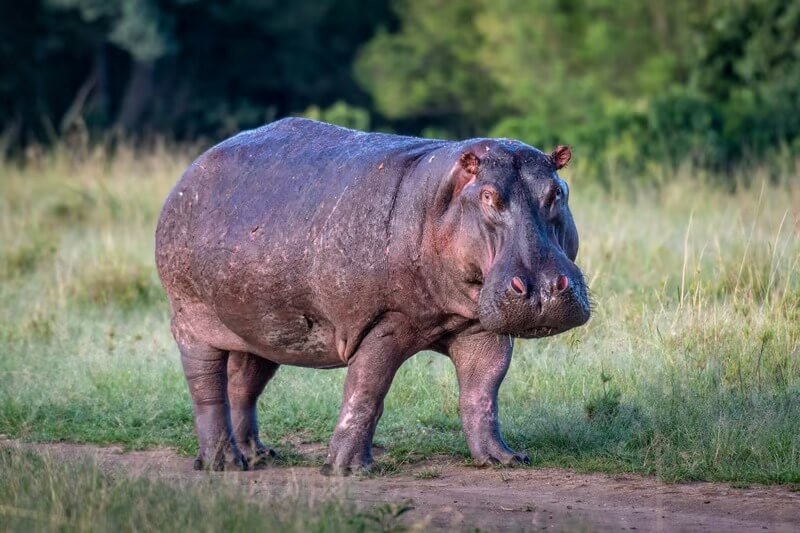
Interestingly, the inability to leap does not limit their agility on land. Hippos can run incredibly fast, reaching speeds of up to 19 miles per hour in short bursts. This combination of size and speed reflects a unique evolutionary design, where power and adaptability are prioritized over the aerial mobility typically associated with jumping. Their interactions within social groups—social hierarchy, territorial disputes, and playful antics—further highlight how this grounded yet imposing species dominates its habitat. The hippo’s intriguing mix of strength, agility, and clumsiness invites observers to appreciate the diverse adaptations that define the hippo kingdom.
Sloths
Sloths, slow-moving creatures of the rainforest, are an interesting evolutionary adaptation. Other mammals write at the price of jumping, but sloths live without jumping. To gain their confidence, they climb trees, which provide them with a quick energy source and help them avoid predators.
This evolutionary choice not to jump also has implications for their diet and lifestyle. Long claws and strong limbs allow them to perch safely on branches and easily, while the moss growing on their fur plays a role in their unique environment.
Although sloths are slow-moving, they feel perfectly in the trees, easily moving through dense forests with energy conservation and demonstrating how evolutionary limits play a role in natural adaptation and survival.
Rhinos
Rhinos, often overshadowed by charismatic animals like elephants and lions, are remarkably well-adapted to their environment with their thick skin and strong horns.
Their future is threatened by poaching and habitat loss, as rhino horn continues to be sought after for traditional medicine and status symbols, even though the horn is made of keratin, just like human fingernails and hair. Community-based tourism and habitat conservation efforts are crucial to the peaceful coexistence of humans and rhinos.
Despite their large size and strength, rhinos cannot jump. Their short, stocky legs with three toes are better suited to supporting a heavy body than for pushing off the ground. These limitations are actually an evolutionary adaptation, giving them the ability to run fast in a straight line, allowing them to reach speeds of up to 35 mph when needed, and enabling them to survive in challenging environments.
Porcupines
Porcupines are fascinating mammals known for their prickly quills, which provide a natural defense against predators. Although they cannot jump, they are skilled tree climbers and swimmers, making them well-adapted to a variety of environments.
During mating season, female porcupines release scents to attract males. They primarily feed on tree bark, roots, and occasionally carrion. Their inability to jump stems from their unique anatomy, with short, strong legs designed for strength and durability.
Living primarily on the ground, porcupines access bark and fruit in trees while remaining protected from predators. These creatures demonstrate how each species develops specific strengths and strategies for survival.
Opossums
Opossums are fascinating animals with unique adaptations that set them apart. Unlike many other creatures, they cannot jump because their muscles and energy aren’t built for it. Instead, their strong limbs and flexible tails help them climb trees and move easily through branches.
On the ground, opossums have clever ways to survive. When threatened, they often “play dead,” which makes predators lose interest. Their nimble toes and tails also allow them to navigate tricky terrain with ease.
Even though they can’t jump, opossums thrive in the forests and fields of North and South America, proving that their special abilities help them survive and adapt in a variety of environments.
Manatees
Manatees, often called “sea cows,” are gentle and unique aquatic creatures. Unlike other marine mammals such as dolphins, they are unable to jump. This is mainly due to their large, heavy, barrel-shaped bodies, which are designed for slow, balanced swimming rather than fast or vertical movements. Their strong, paddle-like tails help them move comfortably in the water, but this same structure prevents them from jumping out of the water.
Manatees’ lives are deeply connected to their herbivorous lifestyle. They spend most of their time underwater feeding on seagrass and plants. They do not need to move quickly or jump to avoid predators; instead, their slow and calm movements help them survive.
Bonus: Reptiles That Can’t Jump
The list of most common reptiles that can’t jump are:
- Tortoise
- Snakes
- Chameleons
Tortoise
Turtles are remarkable creatures not only for their longevity but also for their unique evolutionary traits. Unlike other animals, their heavy shells and strong limbs are designed for protection and stability rather than agility. This body structure prevents them from jumping and connects their lives deeply to the land and environment.
Turtles move slowly but confidently, as they calmly observe their surroundings. Their slow pace is not only a means of survival but also a sign of patience and perseverance. They teach us that taking every step in life thoughtfully is also a path to success.
Although turtles cannot jump, they have developed effective survival techniques. They use their strong claws and legs to dig burrows, avoid predators, and protect themselves in harsh weather conditions. These characteristics enable them to survive in a variety of environments.
In short, turtles’ inability to jump is not a weakness but a part of their natural structure,
Snakes
Snakes are a prime example of evolution, demonstrating remarkable adaptation to their environment through their unique body structure. Unlike other animals, snakes lack limbs, which makes their locomotion distinct. The absence of legs prevents them from jumping, as this action relies on a forceful push from the ground. Instead, snakes use a variety of slithering and gliding techniques, allowing them to move efficiently across diverse environments, from dense forests to arid deserts.
Furthermore, the extraordinary flexibility of a snake’s body, along with precise control over its muscles, enables it to move effectively according to its lifestyle. For example, some species can propel themselves into the air from branches or rocks, creating the illusion of jumping. Although this is not true jumping, it allows them to cover distances, evade predators, and capture prey.
Therefore, the inability of snakes to jump is not a weakness but a testament to their evolutionary adaptation and effective survival strategies.
Chameleons
Chameleons are fascinating creatures, known for their ability to change color and unique adaptations, and surprisingly, they cannot jump. Unlike other reptiles, chameleons’ muscles and body structure are not suited to jumping. Instead, they move slowly and cautiously through their environment, using their long tails to balance and climb.
Their slow movement is part of a strategy inherent to their lifestyle. By moving carefully along branches, they reduce the risk of falling and avoid exposure to predators. These slow and deliberate movements allow them to remain hidden in their leafy environment and help them hunt insects with remarkable precision using their sharp eyesight.
This unique strategy not only demonstrates chameleons’ survival skills but also highlights the diversity of their evolutionary adaptations.
conclusion
The world of mammals that cannot jump is both intriguing and diverse. From the sturdy armadillo to the graceful sloth, each of these creatures has evolved unique adaptations that allow them to thrive in their specific environments. Their stories remind us that the ability to jump is just one of many survival strategies in the animal kingdom. By appreciating these fascinating animals, we gain a deeper understanding of biodiversity and the intricacies of nature. Let’s continue to explore and protect these remarkable creatures and their habitats for future generations.
FAQS
What Mammals That Can’t Jump?
Most commonly, animals like guinea pigs and turtles cannot jump due to their body structure and muscle limitations.
Which Animal Cannot Sleep?
The bullfrog is known for having an inability to sleep like other animals, as it enters a state of rest without the typical sleep patterns.
What Is The Only Animal That Can’t Jump?
The only animal that cannot jump is the elephant.