
The world’s got millions of animal species. And for a lot of them, being nosy isn’t just for fun – it’s how they survive. Curiosity pushes them to hunt down food, mess with new stuff, and figure out where the hell they are.
The curious ones never sit still. They’re always poking things, sniffing around, checking every corner. Yes, people say curiosity gets you in trouble. But out in the wild? That’s how animals learn to adapt, dodge danger, and actually stay alive.
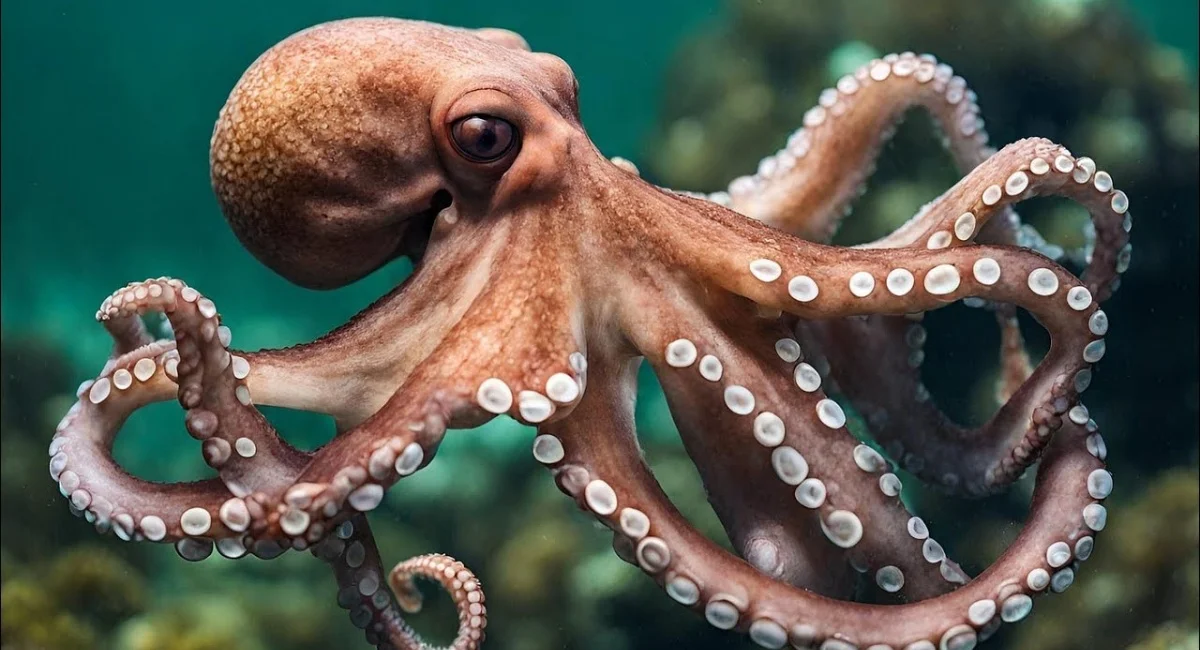
Do you want to see it in action? An ant can haul 50 times its own weight. No joke. Crows in Japan figured out traffic lights. They drop nuts on the road and wait for cars to crush them open – there are videos of this all over YouTube. Octopuses? Those guys are escape artists. There’s a 2008 National Geographic story about one that unscrewed a jar from the inside and busted out of its tank.
And cats… man. I swear my cat thinks my apartment is her lab. Order something online? She doesn’t care what’s inside. She just wants the box. Every. Single. Box. Oh, and 3 AM is apparently her favorite time to remind me she exists. She’ll walk across my face until I get up and feed her.
These animals aren’t famous for being cute. They’re famous because they solve problems. So which ones are the nosiest on the planet? We’re gonna run through the list. Let’s start with the one that hears every little sound you make.
Most Curious Animals In The World
The 13 most curious animals in the world are given below:
- Cats
- Dogs
- Monkeys
- Penguins
- Giraffes
- Foxes
- Bushbabies
- Raccoon
- Octopus
- Dolphins
- Meerkats
- Otters
- Axolotl
Cats Most Curious Animals In The World
The Cats: Most Curious Animals In The World. Cats didn’t get on this list for being cute. They got here because they can’t leave new things alone.
Drop an empty box on the floor and wait. Within five minutes, cats claim it. A box isn’t a toy to cats. It’s new territory that needs inspection, and cats won’t rest until they’ve checked every corner. That is raw curiosity.
This same curiosity shows up at the water bowl. Cats often tap the water with a paw before drinking. They aren’t playing. They are testing depth, movement, and safety. They investigate first, then commit.
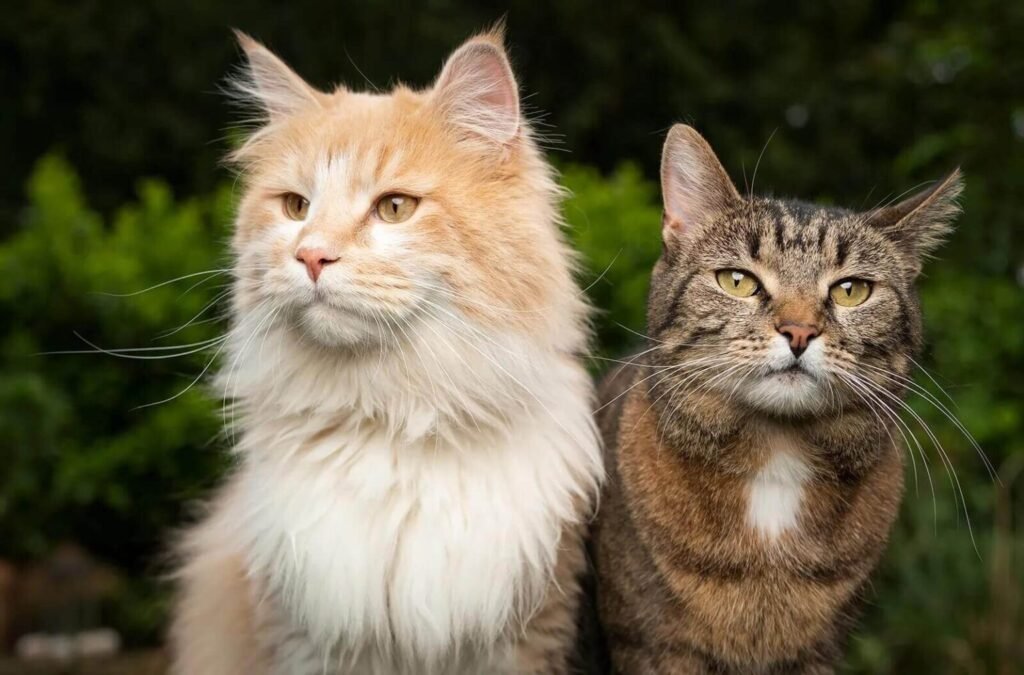
And laptops? Cats don’t sit on them for warmth. They sit there because you do. They noticed you stare at that glowing box for hours. So cats decided the laptop must be important, and important things belong to cats.
Cats fear new things for exactly ten seconds. After that, they own them. This mix of caution, testing, and total ownership is why cats are some of the most curious animals on the planet. They don’t just live in your house. They run experiments on it.
Why Dogs Most Curious Animals In The World?
Dogs didn’t get on this list because they sleep 14 hours. They got here because they’re running a 24/7 investigation into you.
Leave your bag on the floor for two minutes. Your dog will unzip it with his nose. He isn’t looking for food. He’s checking: “Where did my human go? Who did he meet? Why does this bag smell like chicken?” That is a full background check. That’s curiosity.
This same curiosity hijacks your toilet time. Dogs don’t follow you for protection. They follow you because a closed door is a mystery. They need to know: “What is my human doing without me? Is it fun? Can I eat it?” No privacy = no case left unsolved.

And when you cry? A dog doesn’t just sit with you. He sniffs your face, tilts his head, and puts a paw on you. He’s not being “cute.” He’s running diagnostics. “Error detected. Sad human. Initiate face-licking protocol.” He won’t stop until your mood changes.
A dog forgets where he buried his bone in 10 seconds. But he remembers the sound of your car from three blocks away. This mix of obsession with you, zero respect for privacy, and non-stop testing is why dogs are some of the most curious animals on the planet. They don’t own a house. They run a surveillance operation.
Why Monkeys Most Curious Animals In The World?
Monkeys didn’t get on this list because they use stones. They got here because they can’t mind their own business.
Give a monkey your phone and turn your back for 10 seconds. When you look again, he’s taken 40 selfies, called your boss, and changed your wallpaper to his face. He didn’t want your phone. He wanted to know: “What button does what? What happens if I press all of them?” That is pure, chaotic curiosity.
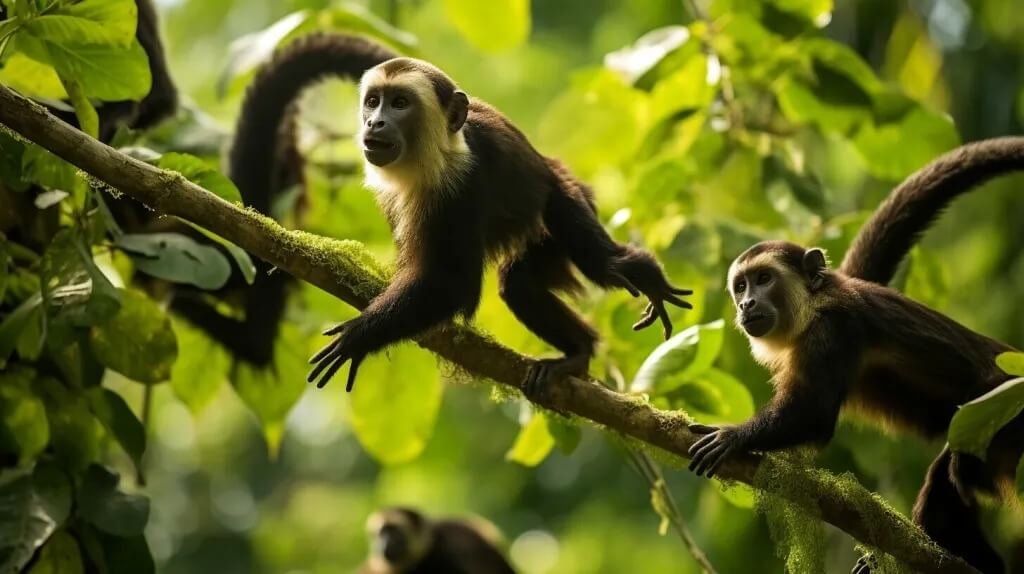
This same curiosity makes them steal sunglasses from tourists. Monkeys don’t need sunglasses. They steal them to see your reaction. They run away, put them on, then stare at you. They are testing: “Will this human chase me? Will he scream? Is this fun?” Your anger is their entertainment.
And your food? A monkey won’t just steal your banana. He’ll steal it, peel it, take one bite, throw it away, then steal your sandwich. He doesn’t want the food. He wants to know what you have. If you have it, it must be important. So he has to test it.
A monkey forgets what he was doing the second something new moves. This mix of zero attention span, non-stop testing, and total drama is why monkeys are some of the most curious animals on the planet. They don’t live in the jungle. They run a reality show in it.
Penguins Most Curious Animals In The World
Penguins didn’t get on this list because they form “tight-knit colonies.” They got here because they walk up to anything new as it owes them money.
Drop a camera on the ice. A penguin won’t run. He will waddle straight to it, stare into the lens, peck it twice, then call his whole colony to check it out. He isn’t scared. He’s investigating: “What is this black box? Is it food? Is it a threat? Can I sit on it?” That’s curiosity in a tuxedo.
This same curiosity makes them chase scientists’ boots. Penguins don’t see a human. They see a weird, tall penguin with no feathers. So they follow it, tilt their heads, and try to figure out why it’s not sliding on its belly. They are running a field test on you.
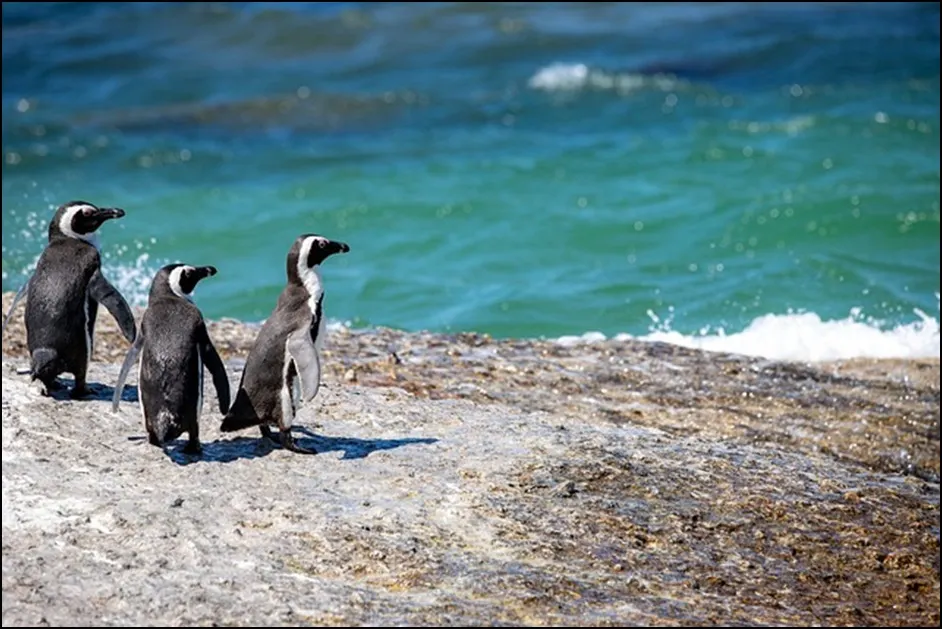
And an egg? A dad penguin will balance that egg on his feet for 2 months in -40°C. He won’t eat, won’t sleep, won’t move. Why? Because his curiosity is now fear. “Is it warm enough? Is it cracked? Did I mess up?” He’ll check it every 10 minutes. That’s not instinct. That’s paranoid curiosity.
A penguin forgets his own partner in a crowd of 10,000. But he never forgets a new shiny thing. This mix of zero fear of strangers, total obsession with new objects, and overthinking dad energy is why penguins are some of the most curious animals on the planet. They don’t survive the ice. They interrogate it.
Giraffes
Giraffes are among the most curious animals because their height makes them the most effective observers in the savannah. A giraffe spends hours scanning the horizon, and when it stares at one spot, other animals like zebras look in the same direction because the giraffe’s curiosity about movement acts as an early warning system for the whole herd.
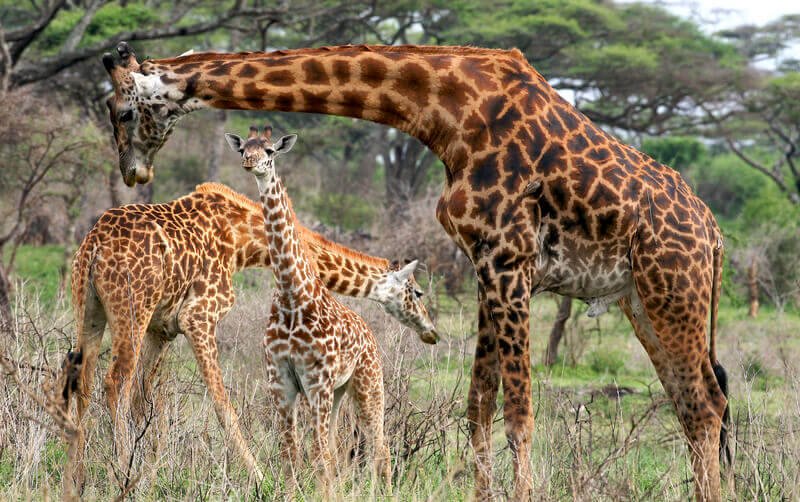
They also test their food constantly, sampling leaves from dozens of trees in one feeding session to check for taste, toxins, and moisture, which helps them map food sources across large areas.
When predators like lions appear, a giraffe doesn’t flee immediately but stands still to watch the lions’ behavior, gathering information on their number, posture, and intent to decide whether to walk away or stay alert, and other animals rely on this assessment. A giraffe’s curiosity isn’t random; they are data collection for monitoring the savannah for themselves and others.
Foxes Most Curious Animals In The World
Foxes? Those guys are way too smart for their own good. And yeah, curiosity is why.
You see them stealing shoes off your porch or chasing each other around at 2 AM? That’s not just play. They’re literally running tests. Steal a slipper – how fast do you chase me? Fake a fight with my buddy – does that dog next door freak out? They’re studying you.
These guys will straight-up pick locks. I’ve seen videos where a fox flips a latch with its nose, squeezes under a fence, and remembers exactly which dumpster gave it a bad meal last year. One bad experience and it’s blacklisted forever. They’re sneaky, too. They can slide through a gap you’d swear was too small and hop a 6-foot fence like it’s nothing. All just to see what’s on the other side.
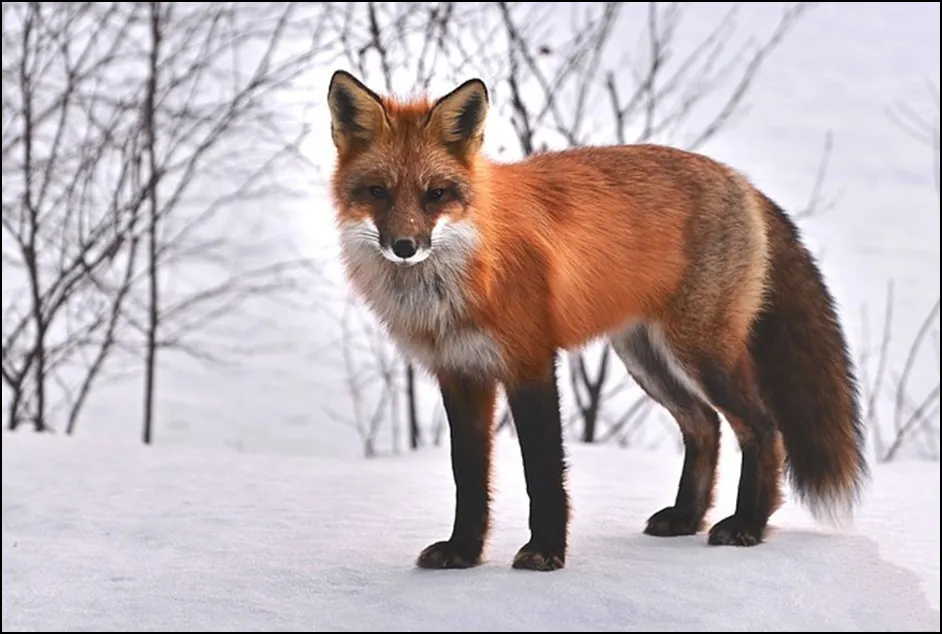
And the noises they make – creepy as hell. They’ve got like 40 different calls. Barks, screams, weird coughing sounds. They’re not just chatting. They’re asking questions. “You there?” “Danger close?” “Found food?” It’s their own walkie-talkie system.
Foxes live everywhere too. Arctic foxes, desert foxes – doesn’t matter. Each one tweaked its curiosity to survive. The Arctic ones turn white in winter. But they don’t just trust it. They’ll roll in the snow, poke through bushes, literally test if they’re invisible before hunting.
So no, a fox isn’t just being random or cute. The stealing, the sneaking, the screaming – it’s all one big 24/7 science project. Play is research. Curiosity is how they stay alive.
Bushbabies
Bushbabies are on this list because they investigate every night like a crime scene. Their eyes take up most of their skull, and they sit still for 10 minutes scanning one tree, tracking every moving leaf, and calculating distance, wind, and landing spot before leaping six feet.
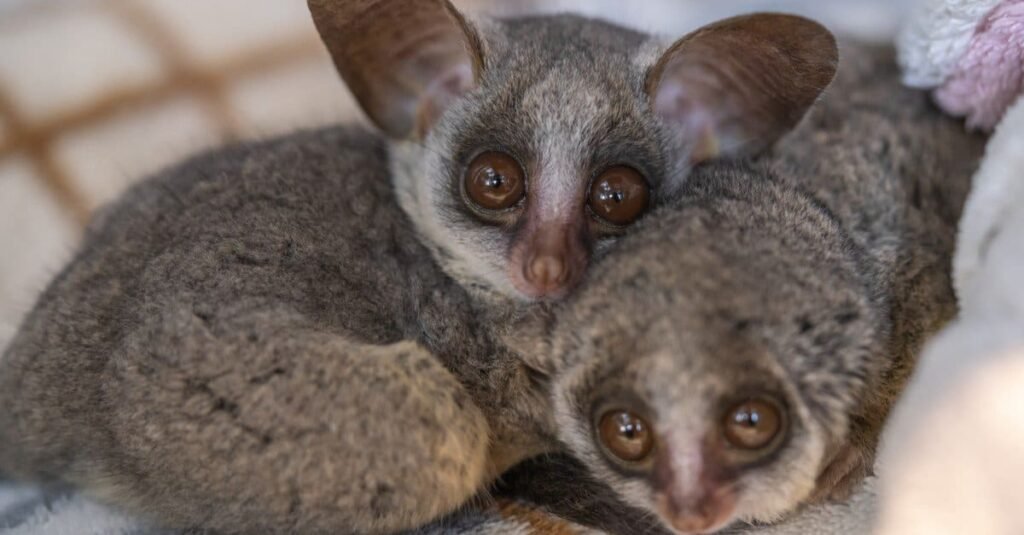
Their ears fold and turn independently to lock onto sounds, so if a pin drops 50 feet away, they swivel one ear, ignore other noises, and pinpoint it because they interrogate sounds to check if it’s food, a threat, or another bushbaby. Before jumping, they tap each branch 3-4 times, not for grip but to test if it’s strong, hollow, or about to snap, and if it fails, they find a new route.
A bushbaby’s curiosity isn’t cute; it’s forensics for surviving the forest every night.
Raccoon
Raccoons are on this list because they treat every locked object like a puzzle to solve with their hands. Their paws have the same sensitive nerve endings as human fingertips, so they don’t just grab trash cans; they feel for latches, test lids by rocking them, and remember the exact twist needed to open a jar after one try.
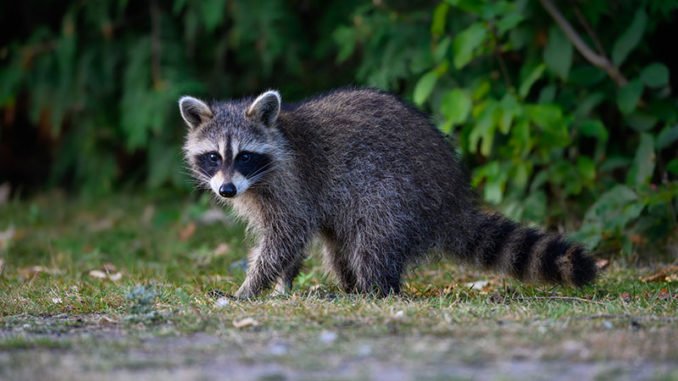
They investigate garden sheds by testing every handle, knob, and loose board to map what moves and what’s nailed down, because their curiosity is tactile forensics. At night, they use whiskers to scan surfaces in total darkness, checking if an object is wet, sticky, or edible before touching it with paws. A raccoon’s curiosity isn’t playful; it’s manual labor. They don’t live in cities. They break into them every night to survive.
Are Octopus Most Curious Animals In The World
Octopuses are on this list because they treat every new object like a test to pass. Each of their eight arms tastes, touches, and thinks for itself, so when an octopus finds a closed jar, it will probe the lid, test every edge for weakness, and remember the exact turns needed to unscrew it after one success. They investigate their tanks by taking apart filters, blocking water jets, and climbing out just to map every exit, because their curiosity is mechanical teardown.
In the wild, they test shells and rocks as tools, carrying coconut halves to hide under later or stacking stones to block den entrances. They use camouflage not just to hide but to experiment, flashing colors to see how fish react before attacking. An octopus’s curiosity isn’t intelligence; it’s relentless trial and error. They don’t live in the ocean. They hack it daily to survive.
Dolphins Most Curious Animals In The World
Dolphins are on this list because they run experiments on everything they find. They wear sponges on their snouts, not just for protection but to test which type of sponge lasts longest while digging for fish, and young dolphins copy the exact technique after watching elders fail and succeed.
They investigate sound by bouncing clicks off objects, then change the click pattern to scan the same object from different angles, building a full 3D map in their head before touching it. When hunting, they blow bubble nets and slap tails to test how fish react to noise and movement, adjusting the strategy if fish escape.
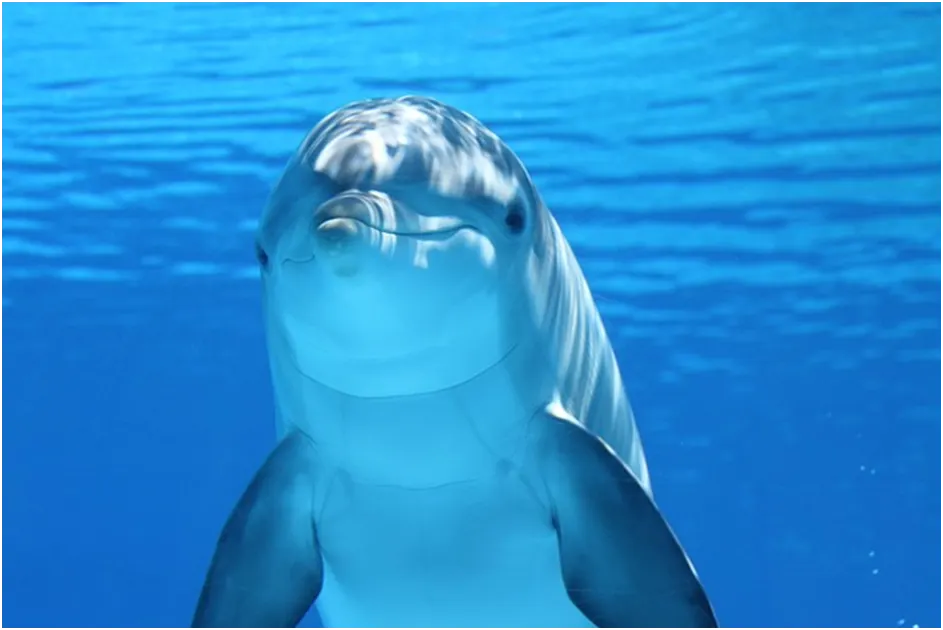
They approach boats and other species to test reactions: they’ll toss seaweed at turtles, poke pufferfish to watch them inflate, and surf boat waves to measure speed and pressure. A dolphin’s curiosity isn’t play; it’s field research. They don’t live in the ocean. They interrogate it daily with tools, sonar, and tests.
Meerkats
Meerkats are on this list because they run investigations in their desert. One meerkat stands on its hind legs not just to guard but to scan the sky and ground in 360 degrees, and it barks different alarm codes for eagle, snake, or jackal so the group knows exactly what to test.
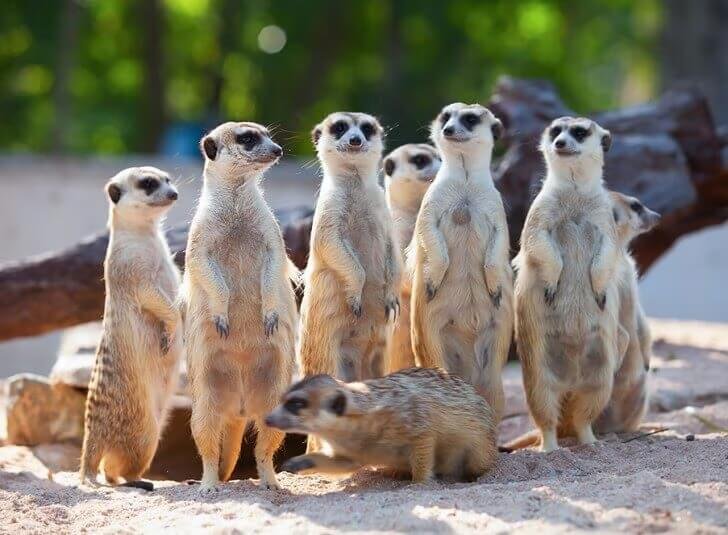
They investigate new holes by sending one meerkat in first to sniff, scratch, and listen for movement before others follow, turning every burrow into a controlled experiment. Young meerkats learn by stealing scorpions from adults, then testing how to bite off the stinger without getting hit, failing repeatedly until the technique works.
They test objects by flipping them, dropping them, and rolling them to check if it’s food, a threat, or a toy. A meerkat’s curiosity isn’t social; it’s field security. They don’t live in the desert. They interrogate every inch of it to stay alive.
Otters
I’ve watched otters in documentaries, and what stands out is how they think. An otter will pick up a few rocks from the riverbed. It tests each one. The best rock goes into a flap of skin under its arm. That’s its toolkit. When it finds a clam, it rolls onto its back. The shell goes on its chest. Then it hits the shell. If the shell holds, the otter turns it slightly and hits again. Two or three tries, and it’s open.Otters also poke around the bottom of the river. They roll in the mud, use their paws to dig, and blow into holes. They want to see what comes out.
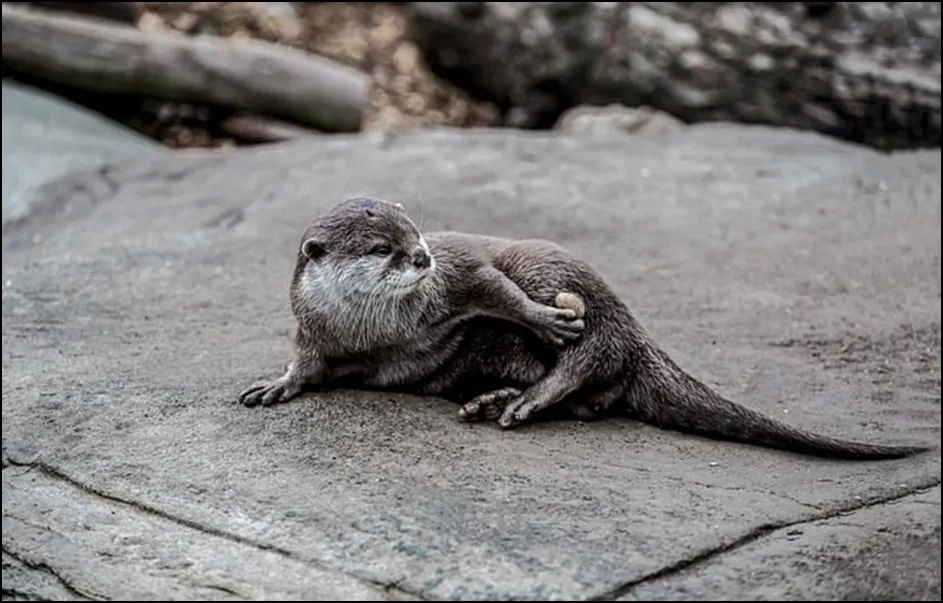
That’s how they find crabs or other food.The young ones watch the older otters. A baby otter will take a rock from its mother. Then it bangs that rock on everything – a snail, a clam, a crab. After a while, it learns which rock works on which shell.Before they dive, otters check the water. They drop a leaf or a small stick. Then they watch it float away. That shows them how fast the water is moving.People think otters are just playing. They’re not. They’re testing things all day. They study the river so they can live in it.
Axolotl: Most Curious Animals In The World
Axolotls are on this list because they use their own body as a science experiment. They don’t just regrow legs; they test regeneration by biting off a limb tip to check healing speed, and if a tank mate loses a gill, they’ll poke the wound daily to study how fast it grows back. They investigate every new object by sucking it in, holding it, and spitting it out to map texture and taste before deciding if it’s food or a threat.
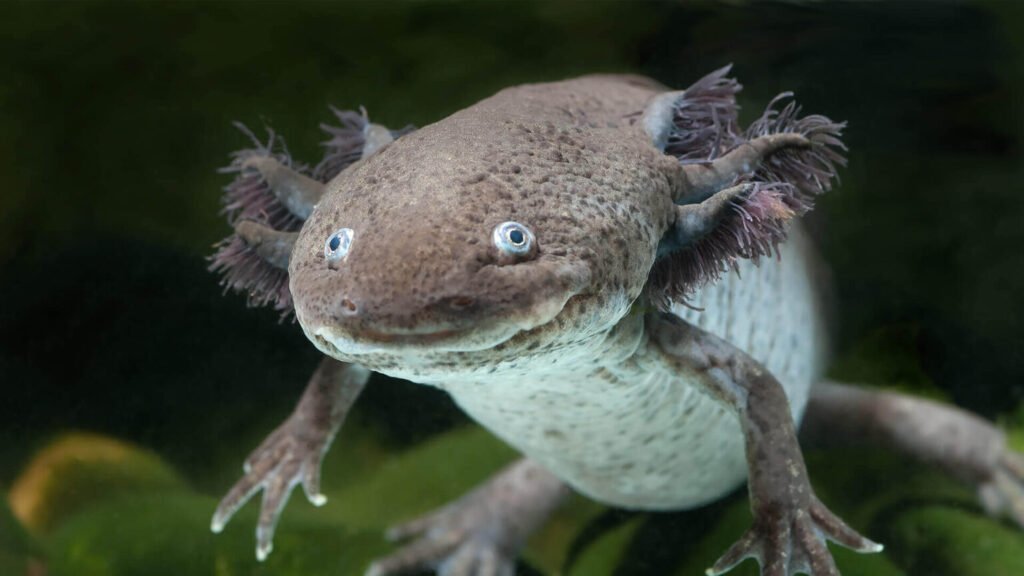
When water flow changes, they walk on the tank floor and press their head against filters to test current strength instead of just swimming away. A baby axolotl tests danger by charging at bigger fish, getting nipped, and remembering the exact size it can’t fight. An axolotl’s curiosity isn’t passive; it’s biological R&D. They don’t live in water. They stress-test it and themselves every day to survive.
Conclusion
The most curious animals in the world don’t ask questions with words. They ask with paws, tentacles, sonar, and bites. From Arctic foxes testing snow to octopuses testing jars, every species runs daily experiments where failure costs blood or a meal. Their curiosity has a pattern: touch first, test second, remember forever. A raccoon’s twist, a dolphin’s click, and an otter’s rock are all data points.
Play is their research lab. A meerkat stealing a scorpion, an axolotl poking a wound, a bushbaby tracking a leaf, none of it is random. The list proves one rule: in nature, curiosity isn’t about being smart. It’s about being paranoid enough to survive another night. So the most curious animals in the world aren’t the cutest or smartest. They’re the ones who turned doubt into a weapon and still made it to sunrise.
FAQs
What Animal Has The Highest IQ?
Chimpanzees have the highest IQ among all animals. But humans are in a different league entirely, and with current progress, no one can predict how far the human body and brain will go in the coming years.
What Is The Most Curious Animal?
The octopus is the most curious animal in the world. It runs 8 independent tests at once with its arms while the brain runs separate experiments.
What Is The 2nd Smartest Animal?
After humans, the second smartest animal is the chimpanzee. They use tools, plan attacks, learn sign language, and remember faces for decades. Bottlenose dolphins are close third with self-awareness and complex social calls.
Are Humans Curious Animals?
Yes, humans are the most curious animals in the world. Science started with “what” and “why”, then moved to “how”, and that curiosity took the human body from caves to Mars rovers. No other animal asks questions, tests answers, and builds on failure like humans do.
Are Cats Curious Animals?
Yes, cats are extremely curious animals. That’s why the saying “curiosity killed the cat” exists, because they investigate every sound, box, and moving object. Their survival depends on testing their environment constantly.
Are The Most Curious Animals In The World Happy?
Yes, the most curious animals in the world, like monkeys and otters, are usually happy because curiosity keeps them active. A monkey stealing sunglasses or an otter testing rocks shows playful, healthy behavior, not stress.
Reads are also articles
Discover The Fascinating Mammals That Cannot Jump
12 Animals That Eat Pomegranates
Interesting Facts: Why Bearded Dragon Mouth Turn Yellow