
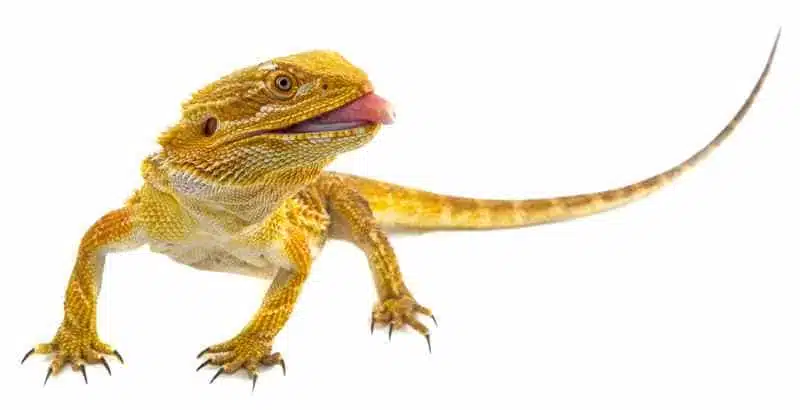
Ever glanced at your bearded dragon and thought, what does it mean?“What’s going on with that yellow mouth?”If you have, you’re not alone. This noticeable color change can indicate various health issues. This sudden transformation can leave pet owners puzzled, but understanding its cause is vital for ensuring your pet’s health, which every dragon owner should be aware of.
In this article, we’ll delve into the reasons why Bearded Dragon Mouth Turn Yellow. By the end, you’ll be better prepared to care for your scaly companion.
What Is Jaundice?
Understanding the causes of jaundice in bearded dragons is crucial for any responsible owner. Jaundice is a condition characterized by a yellowing of the skin, mucous membranes, and whites of the eyes, stemming from an excess of bilirubin in the bloodstream.
For instance, improper diet lacking in essential nutrients can lead to liver dysfunction, prompting bilirubin buildup. In bearded dragons, this symptom can often signal underlying health issues, such as liver disease, infection, or dietary issues.
What Are The Symptoms Of Bearded Dragon Jaundice?
When a bearded dragon’s mouth turns yellow, it can be a sign of jaundice, a serious condition that affects their liver function. Additionally, you may notice changes in their appetite; a reptile that once eagerly devoured insects may suddenly show disinterest or outright refusal to eat. Moreover, jaundiced bearded dragons may exhibit lethargy or unusual behaviors, such as excessive hiding or reduced social interaction. Moreover, can experience darkened skin color, weight loss, and dehydration. Ultimately, recognizing these signs early can be critical for ensuring a healthy recovery.
Is Jaundice Disease Serious For Bearded Dragons?
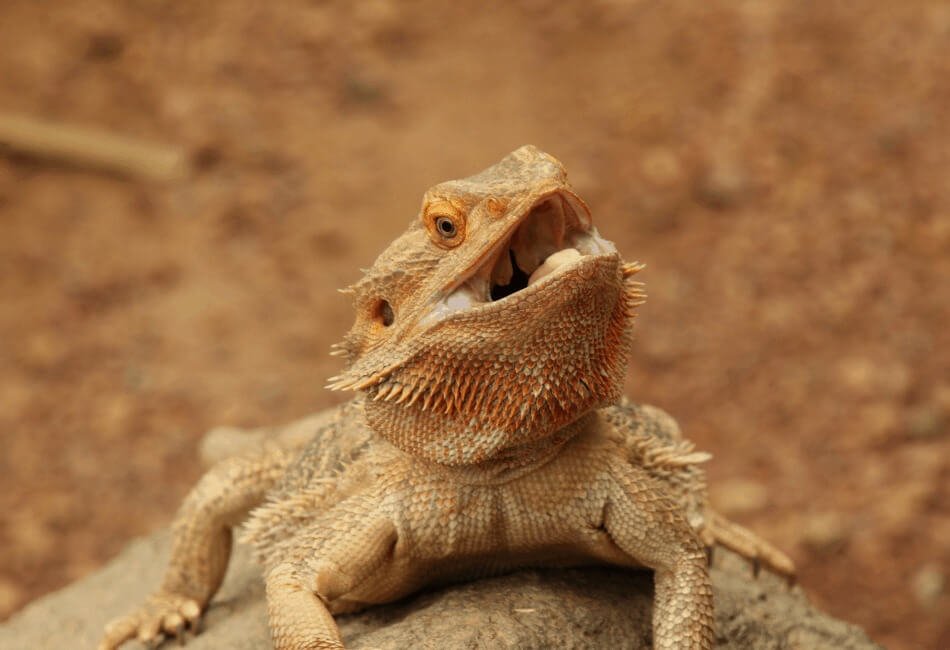
Jaundice in bearded dragons is a serious condition that should not be taken lightly. jaundice typically indicates liver dysfunction or an infection — conditions that can escalate rapidly if left untreated. Understanding the cause is essential; for instance, bacterial infections or parasitic infestations can lead to more severe health crises beyond the visible symptoms. that could potentially become life-threatening if left untreated.
What Should You Do If Your Bearded Dragon Gets Jaundice?
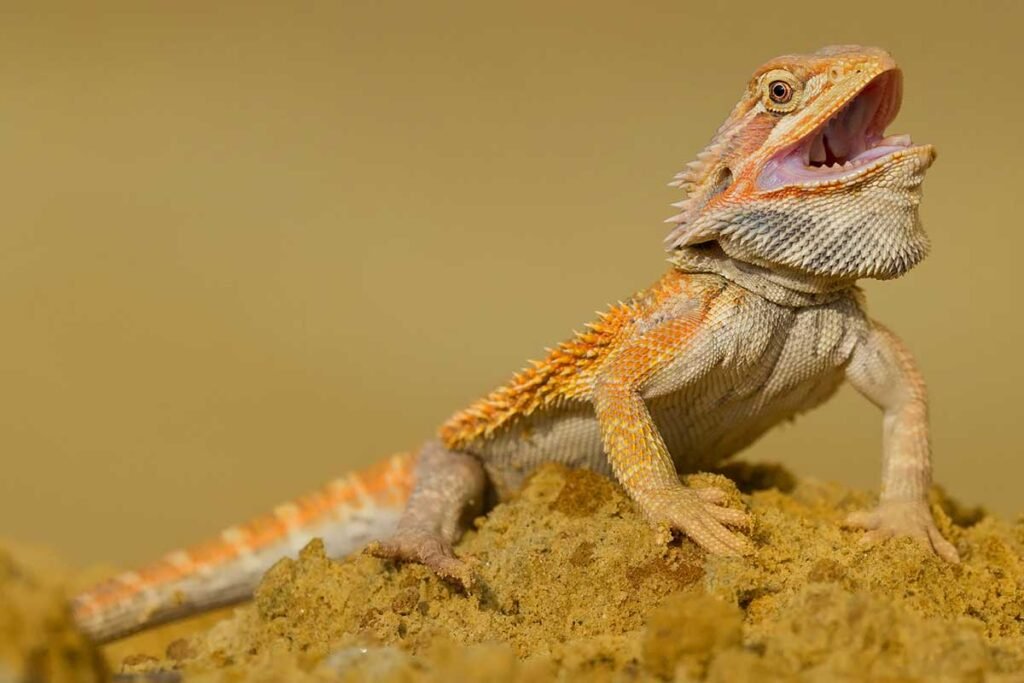
If your bearded dragon exhibits signs of jaundice, it’s crucial to act. Jaundice, characterized by a yellow tint in the skin and eyes, often indicates underlying health issues, such as liver disease or parasitic infections. Adapt your approach to care by seeking veterinary advice promptly. Your vet will likely recommend tests to determine the underlying cause and appropriate treatment.
In addition to following your vet’s recommendations, you can also take steps at home to support your bearded dragon’s health during recovery. Start by examining your dragon’s habitat — ensure it has optimal temperature gradients and a balanced diet rich in greens, protein, and UVB light exposure. Consider temporary dietary changes, such as offering high-quality, easily digestible foods, while you wait for professional guidance. Remember, adequate hydration and a stress-free environment are vital for recovery.
Preventions: Why Bearded Dragon Mouth Turn Yellow
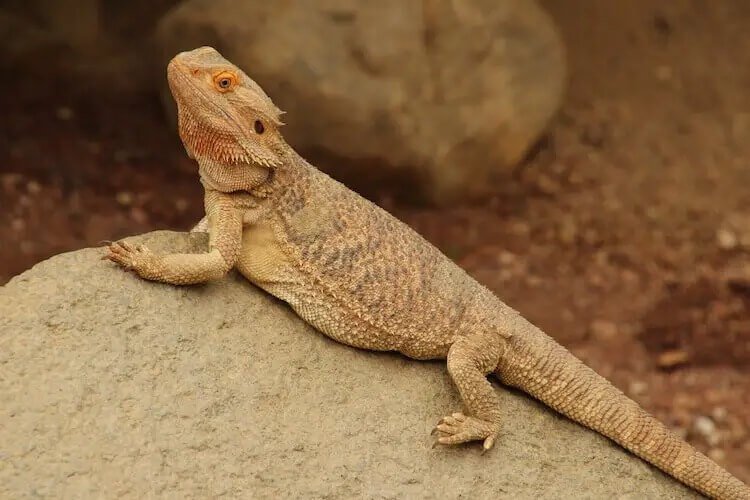
Why Bearded Dragon Mouth Turn Yellow: Preventing a bearded dragon’s mouth from turning yellow. One of the most critical aspects is maintaining a balanced diet. Incorporating a variety of greens, vegetables, and live insects can provide essential nutrients that support their vibrant coloration and overall health.
Furthermore, ensuring your bearded dragon is well-hydrated will help prevent mouth discoloration, as dehydration can lead to stress and health complications.
Additionally, regular veterinary check-ups play a pivotal role in prevention. Bearded dragons are susceptible to various illnesses that may not present obvious symptoms until they’ve advanced significantly.
Lastly, creating a stress-free environment is vital; bearded dragons thrive in spaces that mimic their natural habitat.
Bonus: Bearded Dragon Care For Beginners
When it comes to bearded dragon care, creating a comfortable habitat is paramount. A well-designed terrarium mimics their natural environment, featuring a basking area with temperatures ranging from 95 to 110°F and a cooler side around 75 to 85°F. Incorporate varying heights with branches and rocks for climbing and basking, as this encourages natural behaviors and provides exercise.
Feeding these fascinating creatures is an art in itself. A balanced diet is crucial; provide a mix of greens, vegetables, and live insects to ensure they receive a wide array of nutrients.
Remember to provide fresh water daily and schedule regular vet check-ups to ensure your pet’s well-being.
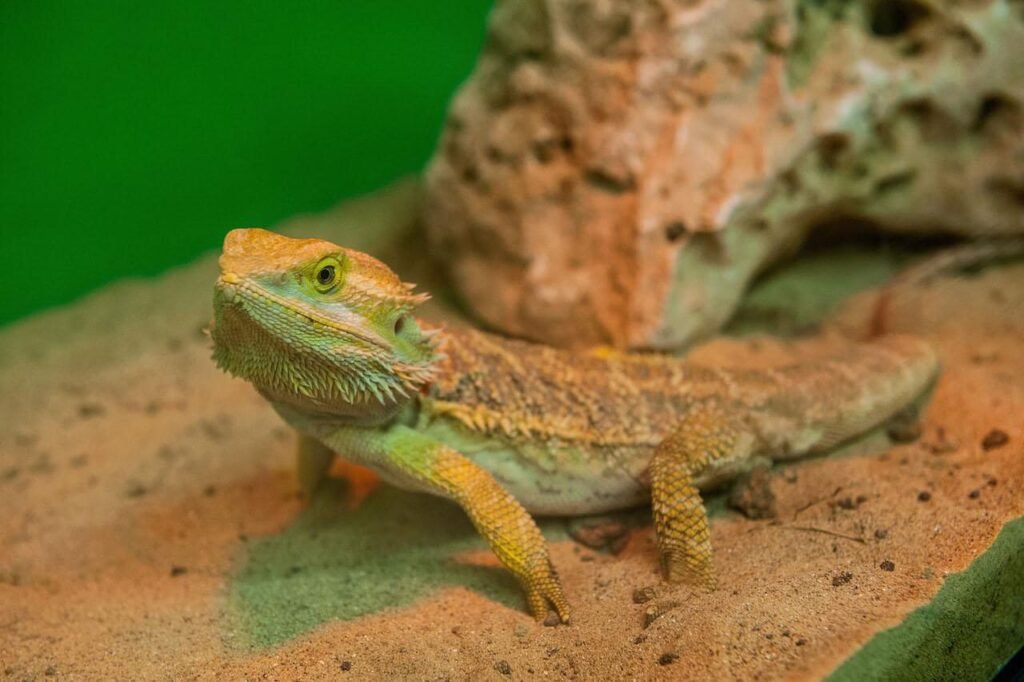
Related Article: Explore the interesting and amazing facts. How Bearded Dragons Sleep?
Conculsion
Why Bearded Dragon Mouth Turn Yellow? Ultimately, it should not be ignored as it can indicate underlying health concerns that need immediate attention. Proper nutrition, hydration, and environmental conditions play vital roles in keeping your reptile healthy. By staying informed about the specific needs of bearded dragons, you can greatly reduce the risk of these issues. Always consult with a veterinarian if you observe any troubling changes in your pet’s behavior or appearance. Take proactive measures to ensure your bearded dragon leads a vibrant, healthy life!
FAQs
Why Bearded Dragon Tongue Yellow?
A yellow tongue may signal potential health issues, such as dehydration, potential infection, or dietary deficiencies.
Why Is My Bearded dragons Chin Turning Yellow?
A yellow chin can indicate stress, hormonal changes, or health issues, often linked to factors like temperature or diet.
Are Bearded Dragons Safe?
Yes, bearded dragons are generally safe to handle. They are known for their docile nature and can become accustomed to human interaction.
How Old Is The Oldest Bearded Dragon?
The oldest bearded dragon recorded lived to be 18 years old.
Do Bearded Dragons Have 3 Eyes?
Yes, bearded dragons have a third eye, called a parietal eye, located on the top of their head. It is not a true eye like their other two, but it can detect light and movement.
Why Bearded Dragon Mouth Turn Yellow?
A yellow mouth can indicate dehydration, stress, or potential health issues like mouth rot.
You may like to read these articles
https://havenzoo.com/animals-with-trunks/
https://havenzoo.com/how-to-keep-your-dog-healthy-a-complete-care-guide/
https://havenzoo.com/how-to-hire-a-reactive-dog-trainer-in-colorado-springs/