

When you notice your cat constantly scratching its ear, it can be both concerning and confusing. This common behavior can often lead to underlying health issues that owners might overlook.
In this article, we’ll explore the most frequent causes of ear scratching in cats and offer practical solutions to help your feline friend find relief. Understanding these signs can enhance your cat’s well-being and strengthen your bond.
Let’s explain Why Is My Cat Scratching Its Ears? Common Causes and What to Do
Common Causes of a Cat Constantly Scratching Its Ear
Why Is My Cat Scratching Its Ears? Cats are highly sensitive animals, and persistent ear scratching may indicate an underlying health issue rather than simple irritation. One of the most common culprits is ear mites, tiny parasites that can cause intense itching and discomfort.
These bothersome critters thrive in warm environments and can easily spread, making them a frequent concern for cat owners. However, it’s not just parasites that warrant attention — ear infections, caused by bacteria or yeast, can also lead to persistent scratching and can emerge from allergies or excess moisture.
Another aspect often overlooked is environmental allergies. Just like humans, cats can react to pollen, dust, and certain foods, which can lead to inflammation in their ear canals. Additionally, foreign bodies, such as grass awns or small insects, may enter a cat’s ear, causing irritation and frantic scratching.
Recognizing these potential issues early on can not only alleviate your cat’s discomfort but also prevent more serious complications. Regular check-ups with the vet can ensure that your friend remains healthy and happy.
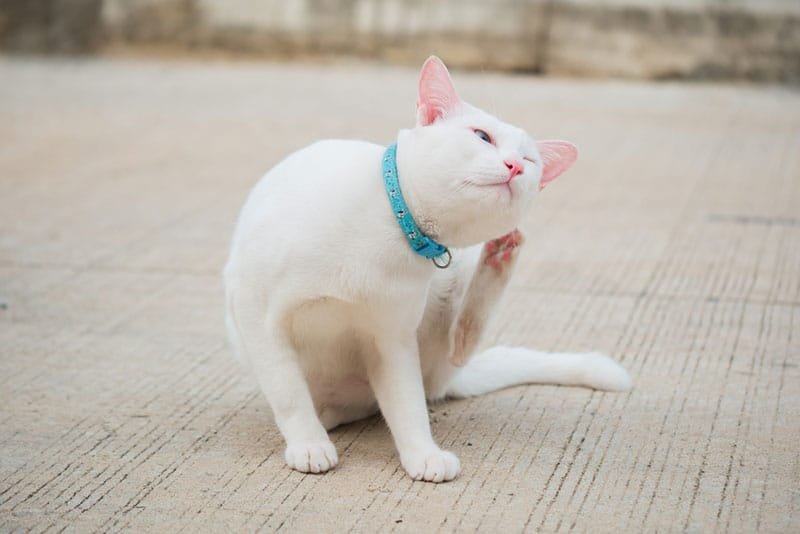
Recognizing the Signs of Ear Discomfort in Cats
Cats are adept at hiding their discomfort, but subtle signs can reveal ear issues that need attention. You pay close attention to any changes in your feline’s behavior, such as increased head shaking or scratching at their ears. These actions can indicate irritation, potentially caused by ear mites or infections. Additionally, if you notice your cat tilting their head or avoiding contact with their ears, it could signal an underlying problem that warrants a trip to the vet.
Visual cues are equally telling; an examination of your cat’s ears could reveal redness, swelling, or an unusual discharge. Furthermore, a cat that suddenly becomes more irritable or sensitive around the head might be expressing pain. It’s essential to create a comfortable environment that allows you to conduct gentle checks on your cat; regular grooming sessions can be a great opportunity. By being observant and proactive, you can help ensure that your friend enjoys a pain-free, happy life.
The Importance of Seeking Veterinary Care: Why Is My Cat Scratching Its Ears?
Regular veterinary care is fundamental to maintaining a cat’s overall health and well-being. Many pet owners may overlook subtle indicators of illness, such as behavioral changes or fluctuations in appetite. Cats are particularly adept at concealing discomfort, which makes it essential for caregivers to collaborate closely with veterinarians who can detect underlying health concerns that might otherwise go unnoticed. Routine examinations not only facilitate early diagnosis but also support preventive care, ultimately contributing to a longer and healthier life for the animal.
In addition, veterinary visits provide an opportunity to strengthen the bond between owner and pet. When managed appropriately, these experiences can be beneficial, as controlled exposure to new environments, sounds, and stimuli may aid in a cat’s behavioral adaptation.
Furthermore, veterinarians offer individualized guidance on nutrition, lifestyle, and environmental management, helping owners create optimal living conditions. Establishing a strong, trusting relationship with a veterinary professional enables more effective advocacy for the cat’s needs and encourages a proactive approach to health management.
Preventing Future Ear Problems in Cats
Preventing ear problems in cats requires a comprehensive approach that combines regular monitoring with proactive care. A key strategy is the inclusion of routine ear examinations as part of the cat’s grooming regimen. Careful inspection for excess wax, debris, or unusual odor can facilitate early detection of potential issues before they progress. When appropriate, gentle cleaning with veterinarian-recommended products can help maintain ear hygiene while minimizing the risk of irritation.
Nutrition also plays a significant role in supporting ear health. Diets enriched with omega-3 fatty acids, such as those derived from fish oils, may help reduce inflammation and promote healthy skin and coat condition, including within the ear canal. In addition, maintaining a clean living environment is essential, as minimizing exposure to allergens and irritants can reduce the likelihood of infections.
Regular veterinary examinations remain a critical component of preventive care, providing professional assessment and enabling early identification of underlying conditions that may affect ear health.
Providing Comfort and Care for Your Cat
Why Is My Cat Scratching Its Ears? Creating a comfortable environment for a cat extends beyond providing basic amenities; it involves designing a space that aligns with the animal’s instincts and behavioral needs. Cats are inherently curious and benefit from environments that offer both security and enrichment. Incorporating vertical elements, such as cat trees or elevated platforms, allows for climbing, observation, and exploration.
These features not only encourage physical activity but also support a cat’s instinctive desire to monitor its surroundings from a position of safety and control.Equally important is the development of a consistent routine and positive human–animal interaction. Structured daily activities, such as interactive play sessions or grooming, can enhance a cat’s sense of stability and well-being.
Careful attention to behavioral cues is also essential; signs such as purring or relaxed body language may indicate comfort, whereas withdrawal or hiding can signal stress. Providing a designated safe space where the cat can retreat when overwhelmed further contributes to emotional security. Ultimately, promoting a cat’s comfort requires attentive observation, empathy, and a deliberate approach to environmental and social enrichment.
📢 Take Action for Your Pet’s Health Today!
Why Is My Cat Scratching Its Ears? Don’t ignore the signs – it could be an early indicator of an underlying health issue.
At Animal Medical Center, we deliver safe, human-grade pharmaceutical solutions for pets, backed by veterinary expertise and sustainable practices.
📧 Contact Us: www.amcny.org
Give your pets the care they deserve – because a healthy pet is a happy pet! ❤️
Conclusion
Why Is My Cat Scratching Its Ears? If your cat is constantly scratching its ear, understanding the underlying causes of ear scratching in cats is essential for maintaining their overall health and well-being. Accurate identification of the issue—whether related to allergies, parasitic infestations, or infections- enables timely and appropriate intervention. Consistent monitoring, combined with regular veterinary examinations, plays a key role in preventing minor conditions from developing into more serious health concerns.
Pet owners should remain attentive to any behavioral changes that may indicate discomfort or illness. If ear scratching persists or worsens, seeking prompt veterinary consultation is strongly recommended. Early intervention not only alleviates discomfort but also helps ensure the long term health and quality of life of the cat.
learn more, you may read these articles about information
https://havenzoo.com/attention-barking-vs-anxiety-barking/
https://havenzoo.com/how-to-hire-a-reactive-dog-trainer-in-colorado-springs/