
In the animal kingdom, there is a special group of creatures with trunks that make them unique. When you think of animals with trunks, what comes to mind? Most likely, elephants dominate your thoughts, but there’s a whole world of trunked wonders waiting to be explored!
In this article, we’ll introduce Animals With Trunks that boast this fascinating feature, revealing their unique traits and the important roles they play in nature. Let’s explore their history, importance, and abilities that make them stand out in nature. Discover the diverse and amazing world of animals with trunks.
List of 11 Animals With Trunks
Number | Animals With Trunks |
| 1 | Elephants |
| 2 | Tapirs |
| 3 | Saiga Antelopes |
| 4 | Giant Anteaters |
| 5 | Elephant Shrews |
| 6 | Wild Boars |
| 7 | Elephant Seals |
| 8 | Proboscis Monkeys |
| 9 | Aardvarks |
| 10 | Sawfish |
| 11 | Proboscis Worm |
Elephants
Scientific Name: Elephantidae
- Kingdom: Animalia
- Phylum: Chordata
- Class: Mammalia
- Order: Proboscidea
- Genus: Elephas (Asian elephants) and Loxodonta (African elephants)
Animals With Trunks: Elephants possess extraordinary intelligence, and their trunks are a testament to it. It serves as both a delicate instrument for picking up the smallest objects and a powerful tool for uprooting trees. Their trunks are intricate sensory organs equipped with over 40,000 muscles, allowing for an astonishing range of movement. This adaptability showcases not only their survival skills but also their emotional depth, as elephants use their trunks to communicate complex social bonds.
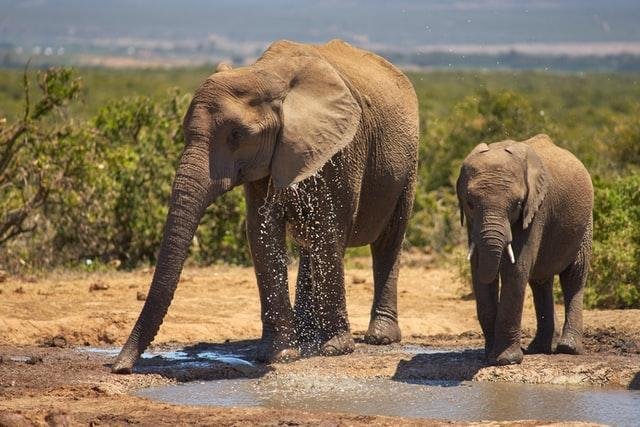
Studies have shown that elephants can recognize themselves in mirrors, indicating a level of self-awareness previously thought to be unique to humans. Their trunk communication, including rumbling sounds, gestures, and even subtle movements, plays a significant role in maintaining their matriarchal societies. Observers have documented instances of elephants comforting one another in times of distress, using their trunks to caress and support their kin. This deep emotional connection evokes a profound sense of empathy, urging us to reconsider how we understand intelligence and emotionality in the animal kingdom.
Tapirs
Scientific Name: Tapiridae
- Kingdom: Animalia
- Phylum: Chordata
- Class: Mammalia
- Order: Perissodactyla
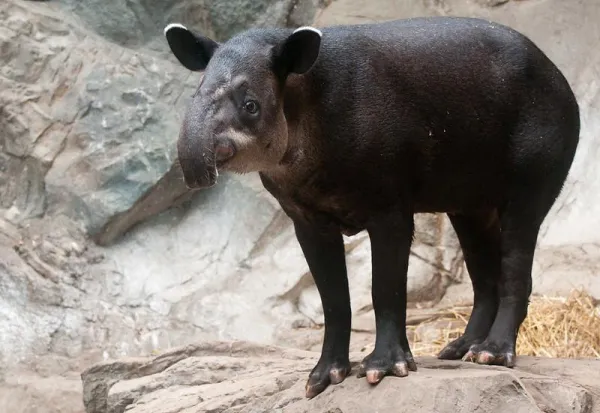
Tapirs, often likened to a hybrid between a pig and an anteater, possess a fascinating feature that sets them apart: their unique trunk-like snout. This appendage is not just for show; it’s a versatile tool that enhances their foraging abilities. With precision, they use their elongated noses to grasp leaves, fruits, and aquatic plants, allowing them to thrive in diverse habitats ranging from dense rainforests to grasslands.
What truly captivates researchers is the tapir’s remarkable ability to navigate its environment. They are surprisingly agile for their size, able to swim effortlessly with their trunk extended above water, a sight that highlights their adaptability
Saiga Antelopes
Scientific Name: Saiga tatarica
- Kingdom: Animalia
- Phylum: Chordata
- Class: Mammalia
- Order: Artiodactyla
- Family: Bovidae
- Subfamily: Antilopinae
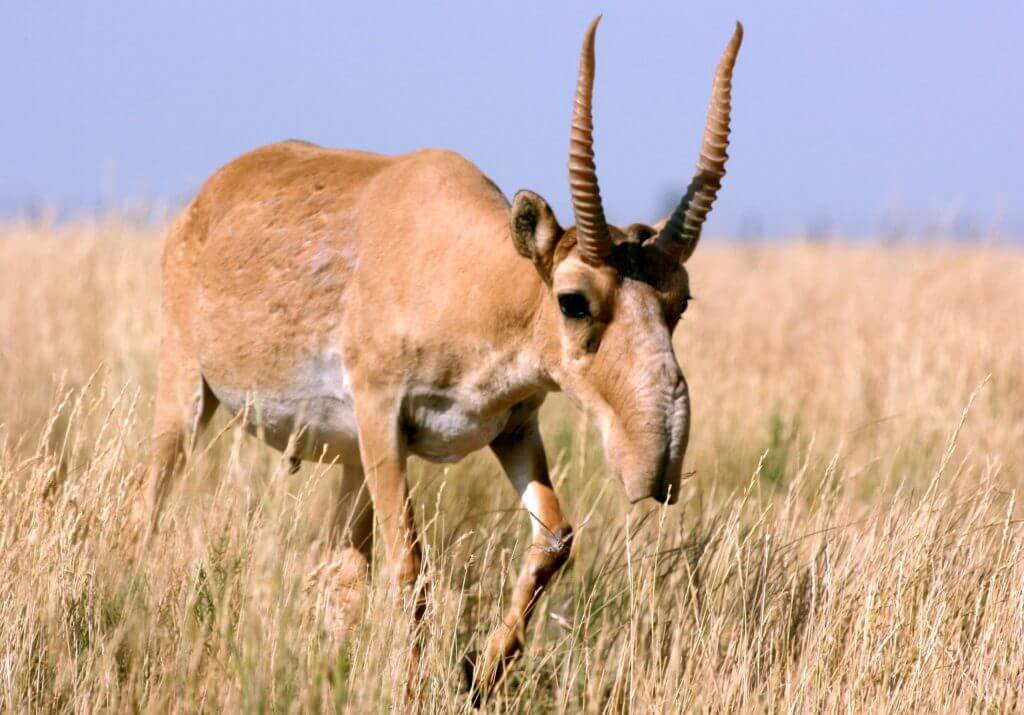
The Saiga antelope, with its distinctive bulbous nose, not only has a striking appearance but also serves a vital ecological role in its native grasslands of Central Asia. The most striking feature of saiga antelopes is their extended nasal structure, which helps filter out dust and warm up cold air before it reaches their lungs. As they graze, these antelopes play an essential role in maintaining the health of their ecosystem by promoting plant diversity and controlling vegetation growth.
However, the Saiga’s future hangs in the balance, threatened by poaching and habitat loss. Conservation efforts are underway, yet the challenges remain daunting. By raising awareness about these incredible animals and supporting conservation initiatives, we can help secure a future for the saiga antelope population.
Giant Anteaters
Scientific Name: Myrmecophaga tridactyla
- Kingdom: Animalia
- Phylum: Chordata
- Class: Mammalia
- Order: Pilosa
- Family: Myrmecophagidae
Animals With Trunks Giant anteaters, with their distinctive long snouts and bushy tails, are fascinating creatures that roam the grasslands and forests of South America. Their “trunk,” although not a trunk in the conventional sense, serves a pivotal role in how these mammals interact with their environment. Instead of relying on keen eyesight, they use their sensitive snouts to sniff out hidden ant and termite mounds, demonstrating a remarkable adaptation to their ecosystem.
Unlike most other mammals, giant anteaters possess a tongue that can extend up to 25 centimeters, enabling them to probe deep into the nests of their prey. As they slurp up ants, their unique feeding strategy not only highlights their specialized biology but also reflects the delicate balance of their habitats. Interestingly, while they may seem cumbersome, these creatures are surprisingly agile, capable of sprinting at up to 30 kilometers per hour when necessary.
Overall, these intriguing trunk animals serve as important indicators of habitat health in the ecosystems they inhabit.
Elephant Shrews
Scientific Name: Macroscelididae
- Kingdom: Animalia
- Phylum: Chordata
- Class: Mammalia
Animals With Trunks One of the most fascinating facts about elephant shrews is their remarkable speed and agility. This small mammal, native to Africa, boasts a unique trunk-like snout that adds to its endearing charm. This snout is not just for show; it is finely adapted, allowing these creatures to expertly sniff out insects and other food sources hidden beneath the leaf litter. Their diet primarily consists of small invertebrates, making them essential players in the ecosystem as natural pest controllers.
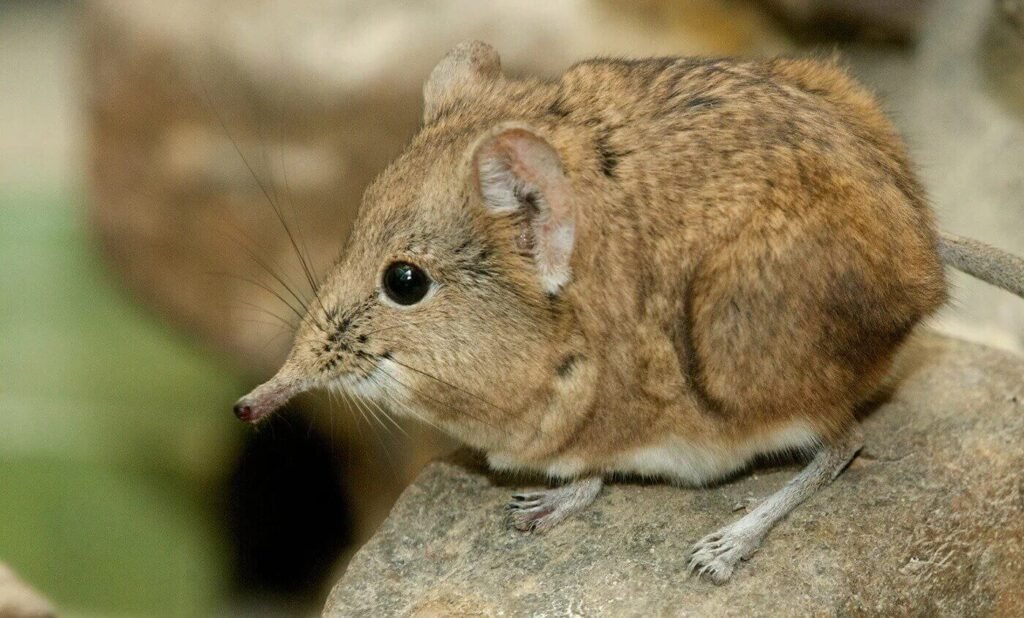
Interestingly, elephant shrews possess incredible agility and speed, capable of reaching up to 28 kilometers per hour, which helps them escape predators. They are social animals. They form pairs and have complex courtship rituals, showing strong emotional connections. This behavior reveals the complexity of their social interactions and questions traditional ideas about animal relationships. Studying these animals helps researchers learn more about the diverse behaviors and adaptations in nature.
Wild Boars
Scientific Name: Sus scrofa
- Kingdom: Animalia
- Phylum: Chordata
- Class: Mammalia
- Order: Artiodactyla
- Family: Suidae
Wild boars are fascinating creatures that traverse diverse landscapes, showcasing remarkable adaptability. Their thick, bristly fur and robust bodies enable them to navigate various terrains, from dense forests to open plains. Often seen rooting around in the underbrush, they use their powerful snouts to dig deep into the soil, unearthing tubers and roots that fuel their remarkable foraging habits. This behavior not only sustains them but also plays a crucial ecological role.
Wild boars have good foraging skills. They search for food by smelling the forest floor. They can find roots, insects, and small animals. Wild boars are known to be aggressive when scared, but they usually try to avoid fights. They are tough and clever animals. Researchers find their social structures and behaviors interesting because they are similar to humans.
Elephant Seals
Scientific Name: Mirounga
- Kingdom: Animalia
- Phylum: Chordata
- Class: Mammalia
- Order: Carnivora
- Family: Phocidae
The majestic elephant seals, with their impressive size and unique physical features, are truly nature’s marvels. Male elephant seals can weigh over 4,500 pounds, showcasing trunks that resemble those of their distant relatives, the Asian elephants. Their powerful bodies aren’t just for show; these seals dive deep into the ocean in search of squid and fish, reaching depths over 5,000 feet.
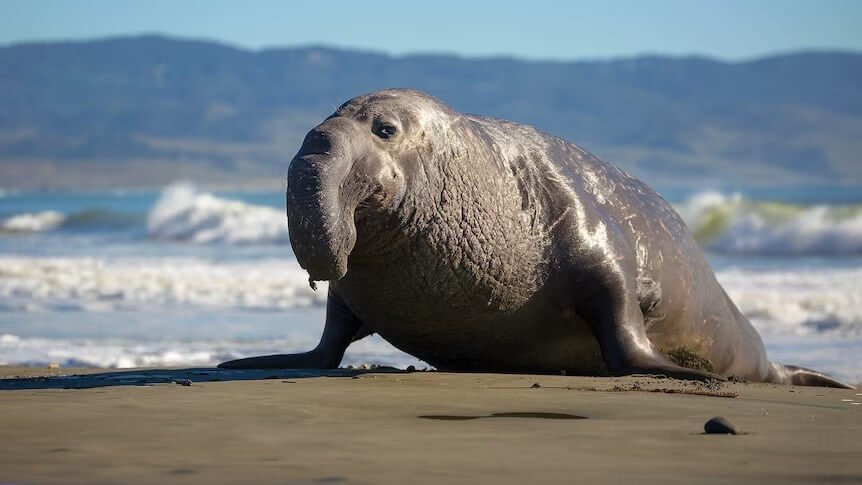
These marine giants possess an incredible ability to hold their breath for up to two hours, making them one of the free divers of the animal kingdom. During breeding season, males trumpet and roar in a mating ritual, asserting their dominance and attracting females.Male and female elephant seals are very different in size. Males are much larger, weighing up to 8,800 pounds and measuring over 16 feet long. Females, on the other hand, are smaller, weighing around 1,500 pounds and reaching about 10 feet in length. Despite their size differences, both male and female elephant seals are important for their ecosystems.
Proboscis Monkeys
Scientific Name: Nasalis larvatus
- Kingdom: Animalia
- Phylum: Chordata
- Class: Mammalia
- Order: Primates
- Family: Cercopithecidae
The proboscis monkey, with its distinctive long nose and remarkable adaptations, thrives in the mangrove forests and riverine ecosystems of Borneo. This fascinating primate is often seen hanging out in troops, where social bonds are celebrated through playful grooming and quirky vocalizations. Their oversized, fleshy trunks are not merely for show; they play a vital role in attracting mates and signaling status within their communities.
Interestingly, male proboscis monkeys with big noses are seen as more attractive by female monkeys. This shows that physical features play a role in mate selection for this species. The unique looks and behaviors of Proboscis Monkeys make them interesting for study and conservation in the wild.
Aardvarks
Scientific Name: Orycteropus afer
- Kingdom: Animalia
- Phylum: Chordata
- Class: Mammalia
- Order: Tubulidentata
- Family: Orycteropodidae
The aardvark, with its unique appearance and mysterious nature, is a truly fascinating trunk animal. With their long, flexible snouts resembling a trunk, these nocturnal creatures serve as the ultimate diggers, expertly navigating the African savannas in search of ants and termites. Their adapted snouts allow them to probe into narrow crevices, providing a method of foraging that highlights the remarkable innovations of nature.
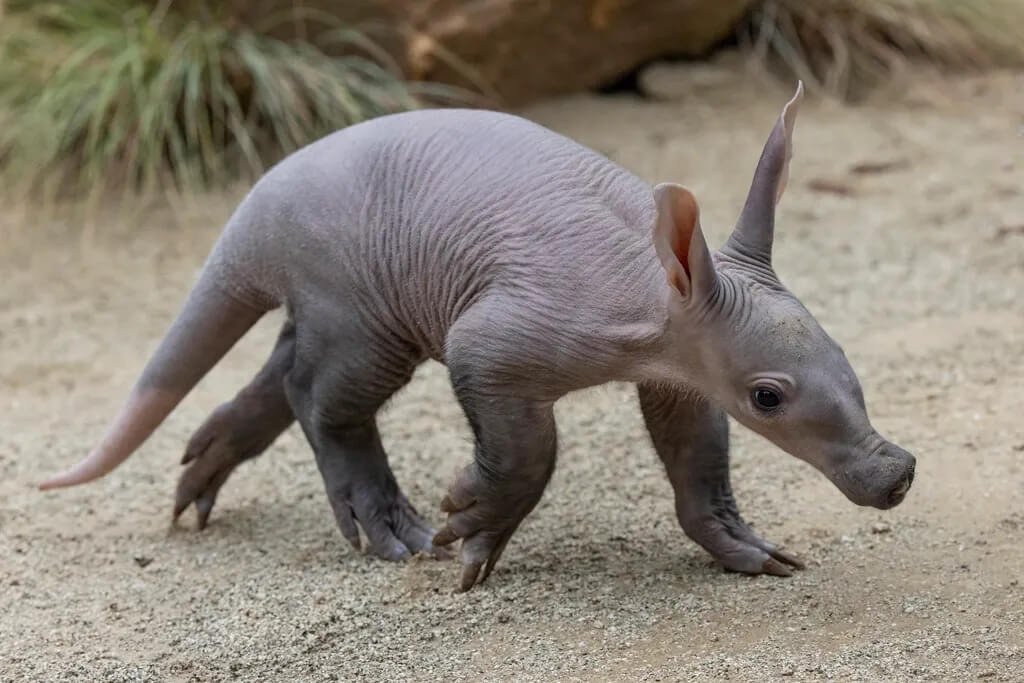
What’s particularly intriguing about aardvarks is their exceptional ability to thrive in diverse habitats, from arid deserts to lush grasslands. Their powerful shovel-like claws are not just for extracting food; they also create burrows that offer refuge from both predators and harsh weather, emphasizing their role as ecosystem engineers.
Sawfish
Scientific Name: Pristidae
- Kingdom: Animalia
- Phylum: Chordata
- Class: Chondrichthyes
- Order: Rhinopristiformes
Sawfish are an interesting marine creature that lives in warm oceans. They are among the most fascinating and fascinating creatures in the ocean. These cartilaginous fish belong to the family of prestos and are often found in shallow coastal waters, estuaries, and even rivers, demonstrating an incredible adaptability. Unfortunately, their unique appearance has also made them a target for fishing, which has led to a significant decline in their population worldwide. Conservation efforts to protect these fascinating species are becoming increasingly important, as their presence is essential for the health of marine ecosystems.
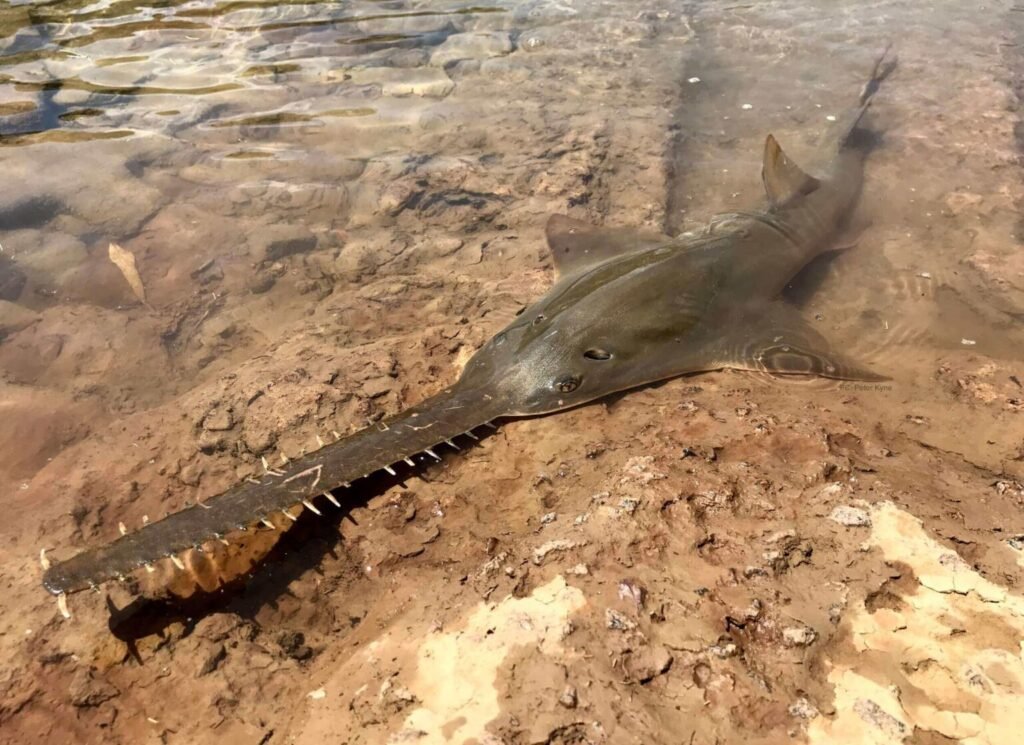
An interesting aspect of the biology of sawfish is their electroreception abilities. They have specialized ampullae of Lorenzini that allow them to detect the electric fields produced by other marine creatures, helping them to locate prey even in murky waters.
Proboscis Worm
The proboscis worm, also known as Nemertia, is a unique animal with a long, retractable proboscis that it uses to capture and immobilize prey. Often overshadowed by its more charismatic marine counterparts, the proboscis worm is a marvel of adaptation and survival. Found in diverse marine environments, these fascinating creatures have a highly specialized feeding structure called a proboscis, which they can extend to capture prey with astonishing precision.
Interestingly, proboscis worms demonstrate a remarkable ability to regenerate their bodies after injury. This regenerative process could offer insights into the potential for advances in medical science, particularly in understanding how similar mechanisms can be applied to human healing. The secrets of these funny insects could open up new avenues for regenerative medicine. By studying these creatures further, we may discover even more secrets about them.
Which Animal Has A Long Trunk?
Animals With Trunks: An elephant is a long trunk animal. Elephants have a unique feature called a trunk, which is an elongated nose and upper lip that they use for various purposes. The trunk of an elephant is incredibly versatile and serves as a tool for breathing, smelling, drinking water, picking up objects, and even making sounds.
Remarkably, an elephant’s trunk contains approximately 40,000 muscle fibers, making it one of the most agile appendages in the animal kingdom. This extraordinary flexibility allows elephants to express a wide range of emotions, from joy to grief, which demonstrates the depth of their social bonds.
Beyond mere functionality, the trunk serves as a channel for communication and interaction. Elephants engage in social rituals, such as greeting each other with the gentle touch of their trunks, demonstrating affection and solidarity. In times of danger, they can gather information through the sensitive tip of their trunk, which can detect scents over long distances. This combination of intelligence and physical abilities highlights the elephant not only as a creature of brute strength but also as a complex being that experiences a rich emotional landscape, challenging our understanding of animal behavior.
conclusion
Animals With Trunks: The eleven trunked animals we’ve explored exemplify the remarkable diversity and ingenuity of wildlife. Each species offers a unique glimpse into the complexities of adaptation and survival, demonstrating how trunks serve various purposes in their lives. As we celebrate these fascinating creatures, it’s essential to recognize the challenges they face in an ever-changing world. Through awareness and action, we can contribute to the conservation of their habitats and ensure that future generations can appreciate their splendor. Join us in the journey of exploration and protection, and discover how you can make a difference for these extraordinary animals.
FAQs
What Animal Has A Small Trunk?
Animals With Trunks: The elephant shrew is commonly recognized for its small, trunk-like snout.
Is An Elephant Trunk A Bone?
No, an elephant’s trunk is not made of bone; it is composed of muscle, skin, and a small amount of cartilage.
What Is The Smallest Animal?
The smallest animal is the bumblebee bat, also known as Kitti’s hog-nosed bat, which weighs about 2 grams and is roughly 3-4 cm long.
Furthermore, you may like these articles
https://havenzoo.com/animals-that-are-stubborn/
https://havenzoo.com/why-do-foxes-laugh/
https://havenzoo.com/breeds-toy-aussie-your-complete-guide/