
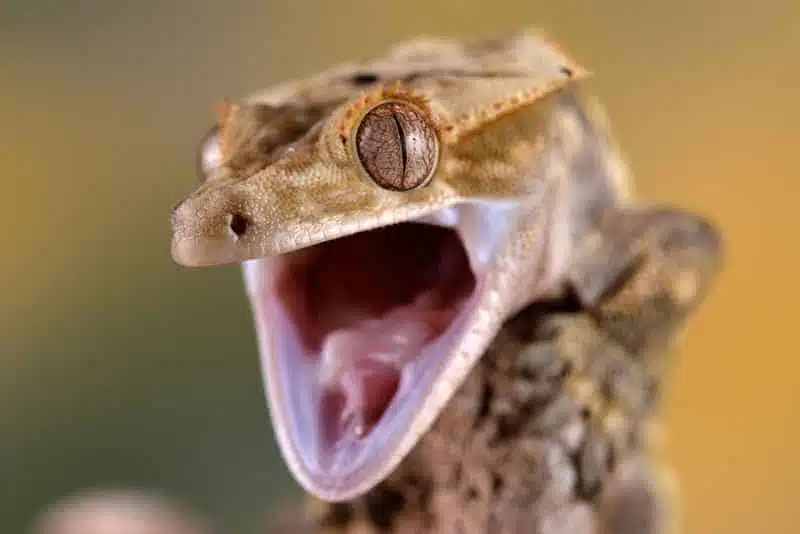
Crested geckos are known for their expressive behaviors, and one particularly interesting habit is their tendency to open their mouths wide. This action may seem dramatic, almost theatrical, but it serves several important functions.
But there can be many reasons for this, such as thermoregulation, stress, respiratory infections, shedding, dental problems, dehydration, or simply for a walk. We should understand these reasons to improve Gecko’s health. Why Crested Geckos Opening their Mouths Wide? and should discover the reasons why they are working against. As a pet owner, we should understand.
Let’s explore these possibilities to better care for your scaly friend.
Why Crested Geckos Opening Their Mouths Wide?
Scientific Name: Correlophus ciliatus
Class: Reptilia
Crested geckos’ wide mouths are not just a defensive gesture, but also an interesting combination of their physical and instinctual characteristics. When these reptiles do this, they often do so to balance their body temperature. By opening their mouths, they release excess heat, which helps them stay cool in hot and humid environments. This form of thermoregulation is essential for maintaining their overall health.
In addition, the behavior can also indicate their emotional state. When a gecko feels threatened, it will open its mouth to appear more powerful to scare off a potential predator, even if it does not actually attack. While sometimes this same action can also be a sign of stress or anxiety. Understanding this behavior is important not only for experts but also for pet owners, as it helps them better understand the condition and needs of the gecko.
Overall, this simple action highlights the complex relationship between biology and behavior. Why Crested Geckos Opening Their Mouths Wide?
Why Crested Geckos Opening Their Mouths Wide for Licking Of The Eyes Or Face.
Crested geckos are well known for their curious behavior, and one of their most fascinating habits is licking their eyes or face. and licking, which seems simple, has several important purposes. This action not only helps keep the skin clean but also helps moisturize the body and provides essential nutrients. This behavior is very important for the survival and health of the geckos.
Observing this habit provides important clues about the health of the Geckos. If a gecko repeatedly licks itself or someone else, it may be a sign that its offspring are dehydrated or experiencing some degree of stress. In such situations, it is important to create a comfortable and natural environment so that the gecko remains docile.
Furthermore, this behavior also has a social aspect. Sometimes geckos try to communicate by touching each other, which reflects their interpersonal relationships. In this way, we have the opportunity to improve the way we see the world and show that these small but charming creatures are seen and live.
Body Temperature Regulation
Maintaining body temperature in crested geckos is a fascinating combination of biological and behavioral factors. These charming reptiles, native to New Caledonia, thrive in warm, humid environments. Unlike mammals, crested geckos are ectothermic, meaning they rely on external sources of heat to generate their body heat. This characteristic helps them use their energy efficiently and adapt to different environmental conditions.
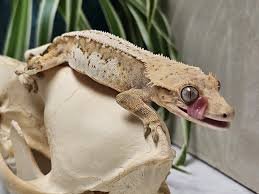
These geckos adopt different strategies to balance their temperature. During the day, they absorb warmth by resting in sunlight or near heat sources. When temperatures rise too high, they quickly move to cooler, shaded areas to avoid overheating. This balanced behavior not only protects them from overheating but also suits their nocturnal activities, when they search for food in relatively cool environments. It’s interesting how this simple action has more than one purpose for these special reptiles.
Regurgitation
Crested gecko regurgitation is often a cause for concern for owners, but in reality, it is more often a reaction than a disease. These lizards do not vomit due to nausea like humans, but rather due to stress or a change in environment.
For example, if their temperature or humidity is not right, or if they are picked up repeatedly, they may become anxious and regurgitate food. Therefore, it is important to keep their environment comfortable and consistent.
Sometimes this problem is also related to the diet. If the food is large or unsuitable, the gecko cannot digest it and regurgitates it. If this is happening repeatedly, it is important to pay attention to it.
Simply put, it is not just a problem but a signal that the gecko is telling us that something is wrong. If we pay attention to its environment and diet, it can be easily corrected.
Sign Of Stress
Crested geckos are very charming pets, but understanding the signs of stress in them is essential to their health and happiness. A common sign is a change in their activity. If a gecko that is normally active suddenly becomes sluggish or hides more, this may be a sign that they are stressed or that there is a problem in their environment.
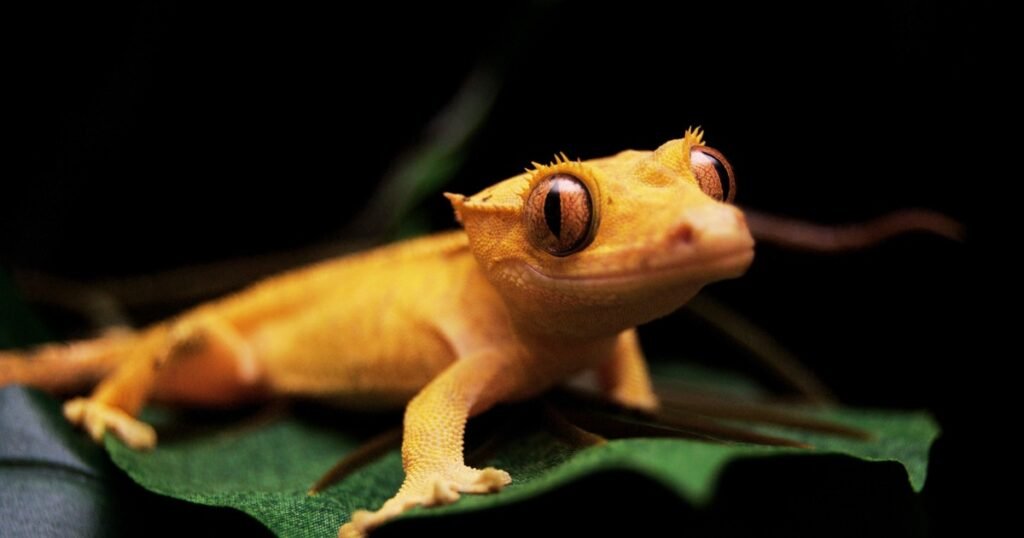
The average lifespan of crested geckos is typically around 10-20 years when kept in proper captivity with a suitable habitat and diet.
Their color may also change. A stressed gecko will often appear dull or colorless instead of their usual bright colors. Tail movement is also an important indicator. Light movement is normal, but frequent and rapid tail wagging can be a sign of anxiety or fear. In addition, rapid breathing or aggressive behavior when touched are also signs of stress.
By understanding these signs, we can make improvements to their environment, such as adjusting the temperature, humidity, or avoiding excessive handling. This way, not only will the gecko stay healthy, but the relationship with it will also improve.
Sign Of Illness
Crested geckos are known for their beautiful colors and interesting personalities, but they can also suffer from various health problems due to their robust nature.
A key symptom is a change in their condition. If your gecko stops eating, especially the foods they usually like, it could be a sign of a disease, parasites, or an internal illness. If this is accompanied by lethargy or excessive hiding, it is a clear indication that you should contact a veterinarian.
Another important thing is their shedding (shedding of skin). Normally, crested geckos shed their skin easily, but if you notice stuck shed or incomplete shedding, it may be a sign of low humidity or an improper environment.
It is also important to pay attention to their feces. If it has diarrhea, an unusual color, or a bad odor, it could be a sign of a digestive tract infection or something external. Ignoring these small signs can not only keep your gecko healthy, but also build a better and stronger relationship with it.
On Guard Ready To Defend
Why Crested Geckos Opening their Mouths Wide? Crested geckos use very interesting methods to defend themselves, which show how well they are adapted to their natural environment. When they feel threatened, they adopt a special style called “demic behavior”. In this, they puff up their body, open their mouth wide, and sometimes make soft hissing sounds. This behavior is meant to scare or surprise a predator. At the same time, their bright colors and unique crest become more noticeable, helping them look more intimidating.
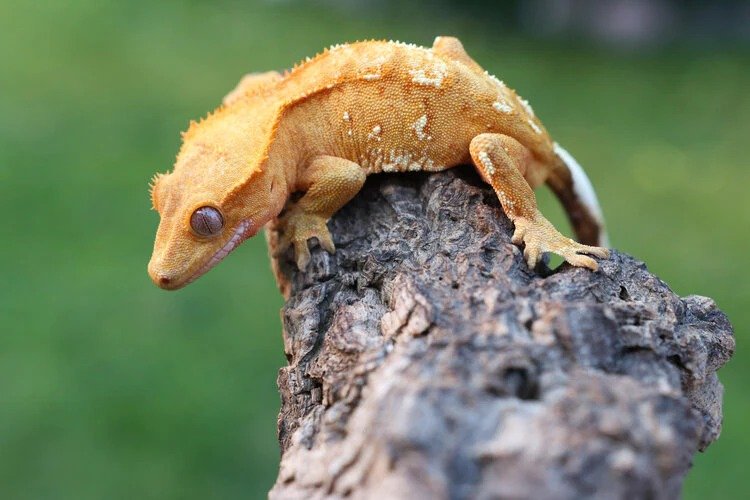
Facts: Crested geckos are usually 6 to 10 inches long, with males bigger than females. Adult crested geckos weigh around 35 to 55 grams, but this can change based on age and health. Taking good care of them and feeding them well affects their size and weight.
They also have another amazing defense— dropping their tail. When the danger is serious, they detach their tail, which distracts the predator and allows the gecko to run away. However, this is not something they do lightly.Unlike many other lizards, crested geckos do not grow their tails back. That’s why tail dropping is their last option when they feel truly threatened.
These defensive behaviors not only make us better but also increase our understanding and appreciation of their creations. Crested geckos use their body language to defend themselves, proving that actions can be more powerful than words in the animal world.
Metabolic Bone Disease
Metabolic bone disease (MBD) in crested geckos is usually caused by poor care, especially when they don’t get enough calcium and UVB light. Many people don’t know that these nocturnal eaters also require special care that is similar to that of their natural environment.
When calcium levels become unbalanced—either poor diet or lack of UVB—the effects can be serious. Which can have several negative effects. A gecko that looks healthy at first may slowly become weak, develop swelling, and have trouble moving, which can be very worrying for owners.
But the good news is that this disease can be prevented. If you feed your gecko a balanced diet, including calcium, as well as providing adequate UVB light, its health can improve.Regular veterinary check-ups are very important, as early signs of illness can be detected.
If you learn to understand these small ones, you can give your gecko a better and healthier life. With the right information and good care videos, we can not only avoid this disease but also keep our baby gecko happy.
They Are Yawning
Crested geckos’ yawning is an interesting behavior that often attracts people’s attention. It is not just a sign of tiredness, but many times it is also a form of communication.
When a gecko yawns, it opens its mouth wide and sometimes even shows its teeth. This can be a kind of warning signal, intended to scare the person in front of it so that they consider it dangerous. This behavior can be seen in various situations, such as stress, a change in environment, or sometimes during mating.
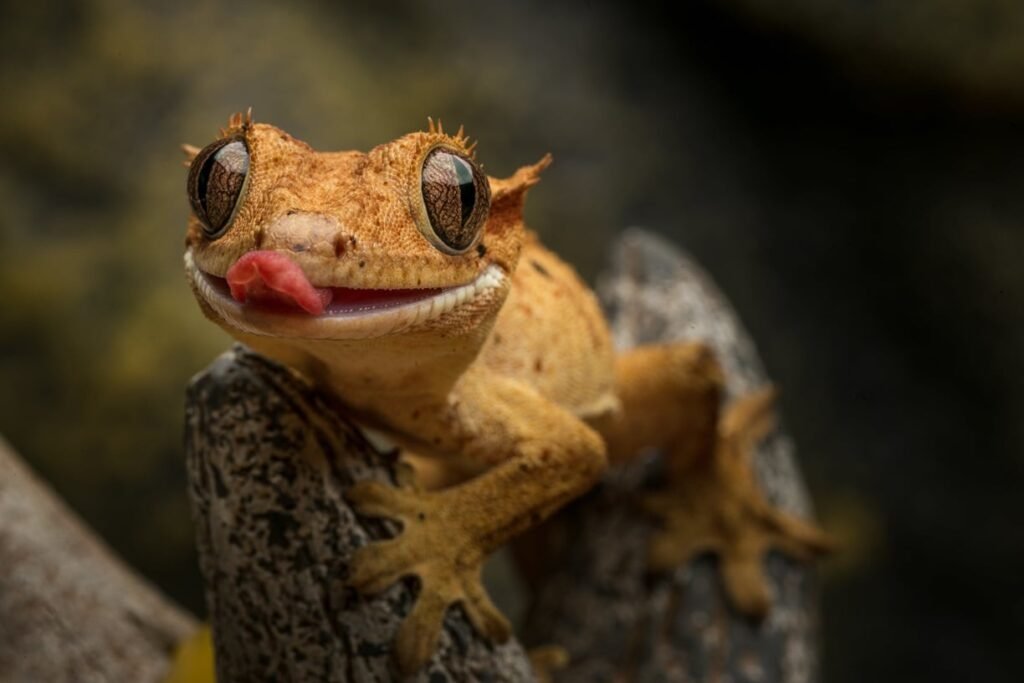
These geckos are native to New Caledonia and are known for their beautiful colors and unique patterns. But their yawns also tell us something about their mood. Sometimes it is a sign of peace, and sometimes it shows slight anxiety or displeasure.
By paying attention to these small actions, reptile enthusiasts can better understand the behavior of crested geckos and appreciate how they are interesting and complex.Crested geckos’ yawning is an interesting behavior that often attracts people’s attention. It is not just a sign of tiredness, but many times it is also a form of communication.
Final Thoughts
Why Crested Geckos Opening Their Mouths Wide? Watching crested geckos open their mouths is a great way to understand their behavior and communication style. Once we understand why a gecko opens its mouth, we can take better care of it. Sometimes it is a sign of stress, sometimes of excitement, and sometimes it can simply be a way for the body to cool down. Every time a gecko does this, we have a new opportunity to understand its world.
As a keeper or enthusiast, it is very important to keep an eye on these behaviors in order to keep your gecko healthy. So whenever you see your gecko opening its mouth, take a moment to understand and connect with this behavior.
FAQs
Is A Crested Gecko A Good Pet?
Crested geckos are very popular because of their beautiful appearance and easy care. They can live comfortably in a small space, so they are perfect for apartments. Their gentle nature makes them easy to get used to.They are also easy to feed, as they eat prepared powdered food and the occasional insect. With proper care, they can live for many years and come in a variety of beautiful colors, making them a unique and low-maintenance pet.
What Does A Crested Gecko Eat?
Crested geckos usually thrive on high-quality commercial powdered food, which provides essential nutrients, vitamins, and minerals. To improve their health, it is useful to occasionally add fruits such as papaya, mango, or banana to their diet, which also provide hydration.
Additionally, adding live insects such as crickets or mealworms makes their diet more balanced and maintains their natural hunting habits. It is also important to ensure that fresh water is available. This balanced and varied diet keeps geckos healthy, active, and happy.
Do Crested Geckos Like Sunlight?
Crested geckos thrive in humid, warm environments, but direct sunlight can be harmful to them. In their natural habitat, they prefer shaded areas in trees, where they receive gentle warmth while staying protected from harsh sunlight. This suggests that they prefer the harmful effects of excessive sunlight and humidity.
A balanced environment is also important for pet geckos. Providing soft lighting and appropriate UVB light can support their health, while shaded areas in the enclosure allow them to feel safe and comfortable. By replicating their natural environment, crested geckos can remain healthy, active, and stress-free.
What Does It Mean When A Leopard Gecko Opens Its Mouth Wide?
Why Crested Geckos Opening Their Mouths Wide? When a leopard gecko opens its mouth wide, it is commonly called “gaping,” and it happens for a variety of reasons. Sometimes it does this to regulate its body temperature, especially when it feels too hot.
In other cases, it may be a sign of stress or a defensive behavior to appear more intimidating. Understanding this behavior helps owners better recognize their gecko’s needs and overall condition.
Do Crested Geckos Yawn?
Crested geckos can show yawning-like behavior, which looks similar to human yawning. It is not just a sign of tiredness; it may help with jaw movement or regulating body temperature.
Sometimes this behavior is also a way to relieve stress or express their condition. By understanding such signals, owners can better understand their gecko’s needs and mood.
Why Crested Geckos Opening Their Mouths Wide?
Why Crested Geckos Opening Their Mouths Wide? Crested geckos may open their mouths wide to regulate their body temperature, display dominance, or communicate stress.
Why crested geckos opening their mouths wide while sleeping?
Why crested geckos opening their mouths wide while sleeping? It’s a natural behavior, often related to regulating temperature and breathing.
Why crested geckos opening their mouths wide when curing?
Yes, it’s normal behavior, especially during times of stress or physical discomfort, such as when they are curing.
You may read these articles
https://havenzoo.com/why-bearded-dragon-mouth-turn-yellow/
https://havenzoo.com/mammals-that-cant-jump/