
If you have a pet at home that runs around all day and never sits still, you do not need to worry. So it is completely normal. The nature is full of the Most Energetic Animals that are incredibly fast and very active. In fact, some creatures can run so fast that they can easily pass speeding cars.
For these animals, staying in motion is not just a joke. It is how they survive. They need this constant energy to find food, run away from danger, and travel long distances. Every movement, like a cheetah sprinting like lightning or a hummingbird staying still in the air, it is the result of millions of years of evolution. Their bodies are great for using energy. This lets them stay active for hours without getting tired. Their agility also helps them move through difficult paths and escape danger instantly.
What Makes an Animal Energetic?
Energetic animals get their drive from a mix of biology, instinct, and behavior. A fast metabolism fuels their constant movement and high-energy actions like running, flying, or hunting. This lets them use energy quickly and efficiently.
Species like cheetahs, hummingbirds, and dolphins rely on this steady need for energy to compete, escape danger, and travel long distances. Their bodies are built for action, and their instincts to find food, gather resources, and protect territory keep them active across forests, skies, and oceans.
Why Energy Matters in Nature
Energy is the driving force behind life in the wild. It powers survival and helps keep ecosystems in balance. Animals with high levels of activity play a key role in food webs and in controlling population sizes. Their ability to search for food, travel long distances, and avoid predators helps maintain a healthy environment.
When these active animals stay alert and on the move, they support natural cycles that benefit both hunters and prey. For anyone curious about nature’s most lively species, a list of high-energy animals shows which creatures have the most drive and how they help keep their habitats thriving.
Animal Energy Is More Than Speed
Energy isn’t just about running, jumping, or being strong. It can also be mental, like thinking a lot, solving problems, or staying focused on something. Physical and mental energy usually come together.
Small animals often have fast body systems, so they seem to move all the time. But size alone doesn’t decide everything. Some big animals can be very active if their daily life needs it. And some small animals can be quite calm because they spend their time hiding and saving energy.
What Is An Energetic Animal?
In simple terms, an energetic animal is one that regularly looks for things to do and new things to experience. Play isn’t just fun for them — it’s something they need to feel steady and content.
You’ll often notice these traits in an energetic animal:
- Curious about new sights and sounds and quick to check them out
- Gets uneasy or fidgety when the routine never changes
- Bounces back quickly after physical activity
- Feels best when it has a task or activity, not just a place to sit.
Most Energetic Animals List
Here is a list of most energetic animals in the world:
- Pronghor
- Ants
- Arctic Tern
- Dolphins
- Kangaroos
- Mustang Horse
- Squirrel
- Cheetahs
- Adélie Penguin
- Capuchin Monkey
- Wolf
- Hummingbirds
- Tasmanian Devil
- African Wild Dogs
- Swallow
- Siberian Husky
- Dragonfly
- Shrews
- Sea Otters
- Chimpanzee
- Baby Goats
- Border Collies
- Honeybees
- Jack Russell Terrier
- Squirrel Monkeys
Pronghorn
Scientific name: Antilocapra americana
Class: Mammalia
Diet: Herbivore
The pronghorn is an unusual runner found in the open plains of North America, and people often list it among the fastest land animals. It can reach 55 to 60 miles per hour. But its real strength is that it can keep this speed for many miles, not just for a short burst like a cheetah. Its light body, strong legs, large lungs, and powerful heart make it an excellent long-distance runner. The wide part of its nose pulls in air quickly while it runs, which helps it survive in open areas.
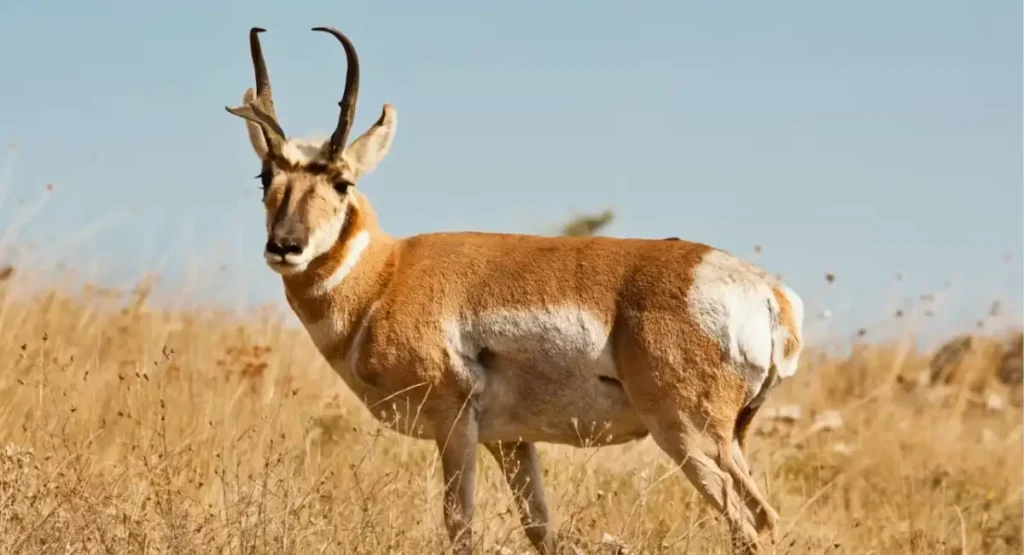
Speed is not the only thing pronghorns have. Their eyesight is also very sharp. They can spot movement from far away, which makes it easier for them to escape predators like coyotes or mountain lions. As soon as they sense danger, they change direction in a flash and take off at full speed. This alertness and quick movement help them run smoothly even on rough ground.
The Pronghorns usually live in groups. Each animal’s own speed works together with the group’s watchfulness to keep them safe. This mix of speed, endurance, and smart behavior puts pronghorns among nature’s best long-distance runners.
Ants
Scientific name: Formicidae
Class: Insecta
Diet: Omnivore
The Ants may look small to us, but they are right at the top when it comes to energy. Their nonstop activity and hard work are amazing to watch. They live in well-organized colonies where each ant has a job. Some gather food, some care for the young, and some guard the nest. Their teamwork and order show that this is not random. It is nature’s own system.
One of their most special skills is talking through chemicals. Ants leave faint trails of pheromones that tell the rest of the colony about paths, danger, or new work. Because of this, the whole colony moves as one and can adjust quickly when things change.
Ants have a lot of strength compared to how small they are. A single ant can pull or lift many times its own weight and handle heavy pressure. They stay in motion all the time. Building the nest, bringing food, cleaning, and protecting never stops. There are thousands of ant species in the world, and they live almost anywhere, from deserts to cities. So ants are nature’s quiet, tireless workers. Small bodies, huge energy, and unmatched teamwork put them among the most energetic animals.
Arctic Tern
Scientific name: Sterna paradisaea
Class: Aves
Diet: Carnivore
When it comes to energy and endurance, the Arctic tern is one of nature’s most energetic animals and one of its most extraordinary travelers. This small seabird makes the longest migration in the world. Each year, it flies from its breeding grounds in the Arctic to its wintering grounds in Antarctica and back again, covering a total distance of around 71,000 kilometres. Its body is built for this journey. It has a light frame, long, narrow wingspan of around one metre, and the strength to keep flying for long periods.
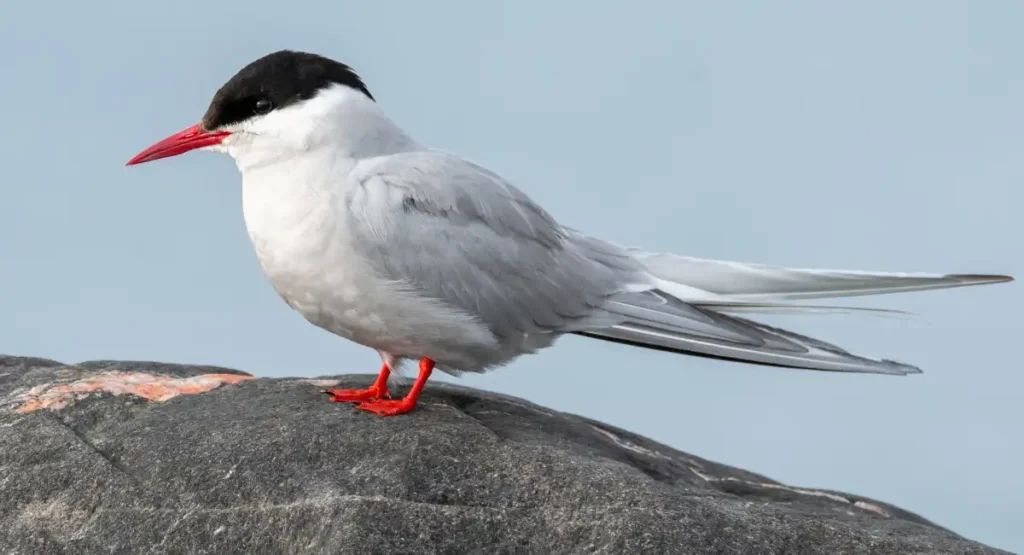
The Arctic tern spends most of its life in the air and rarely on the ground. It flies from one pole to the other after the summer to catch daylight and feed. It is also very good at finding its way. Experts believe that the Arctic tern uses the sun, stars, landmarks and the Earth’s magnetic field together to guide it, as if it had a built-in navigation system. Flying through storms, hunting in both fresh and salt water, and covering great distances without stopping are all key skills that help it survive. The Arctic tern therefore stands out among nature’s most energetic animals and greatest travelers for its ability to travel long distances, endure, and adapt.
Dolphins
Scientific name: Delphinidae
Class: Mammalia
Diet: Carnivore
Dolphins are sea animals that people quickly notice because of their lively moves and playful nature. That is why they are often called one of the most energetic animals. They are amazing swimmers in water. They swim very fast, sometimes reaching 40 kilometers per hour. They also leap high into the air, spin around, and play with waves. These tricks look beautiful, and they also help dolphins bond with each other in their group.
Dolphins are also very social. They live in small groups and use a mix of clicks, whistles, and body signals to talk to each other. This helps them hunt together, help a weak member, and protect an injured one. This kind of behavior shows that they understand each other and have strong emotional connections.
Some dolphins have even been seen using tools and playing together, which clearly shows how smart they are. Their constant activity, cheerful nature, and close social bonds put dolphins in a special place among the most energetic animals.
Kangaroos
Scientific name: Macropus
Class: Mammalia
Diet: Herbivore
Kangaroos are one of the most famous and most energetic animals in Australia. You can spot them by their long, strong hind legs and their big hops that propel them forward in seconds. In one jump, they can cover a distance of 7 to 8 meters and reach speeds of 56 kilometers per hour. Interestingly, the faster they hop, the more efficiently they use their energy. Their muscles and tendons store the force of each hop and release it for the next. Their thick tail helps them maintain balance and also makes it easier to turn or stop quickly.
Kangaroos live in groups called mobs. Each mob has a dominant male, called a boomer, who leads it. To stay in touch, kangaroos make different sounds, body movements, and slap the ground. This helps them warn each other of danger and stay united. This social setup helps them avoid predators and find food. Kangaroos are also well adapted to the arid regions of Australia.
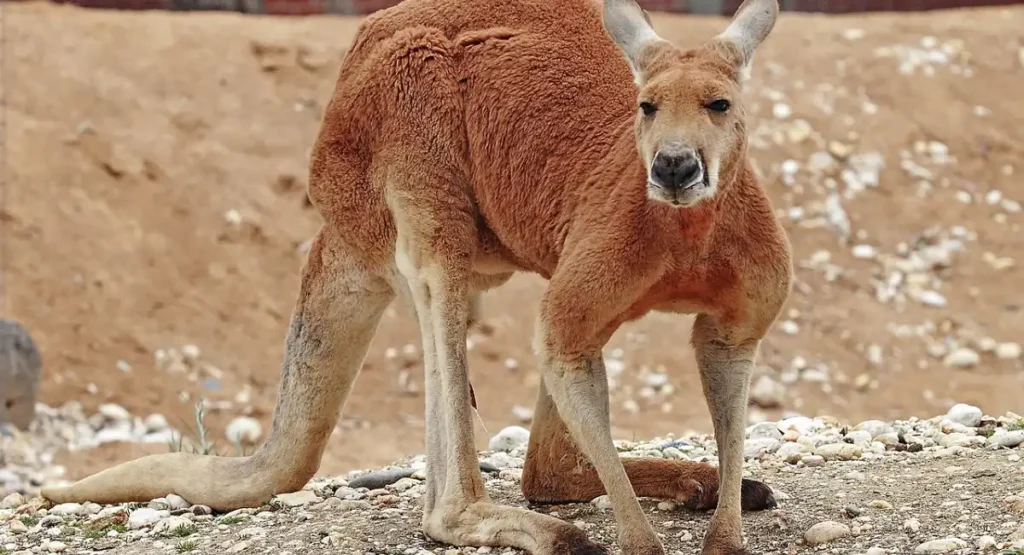
They can live with little water and poor grass. Females raise their young in a pouch so that the babies are protected even in harsh weather. With their strength, speed, and ability to conserve energy, kangaroos stand out for their athleticism and vitality in the wild and are considered among the most energetic animals.
Mustang Horse
Scientific name: Equus ferus caballus
Class: Mammalia
Diet: Herbivore
The mustang is a wild horse that roams freely across the wide plains of North America. Because of its unusual speed, endurance, and fearless nature, it is counted among the most energetic animals. On open ground, it can reach up to 55 kilometers per hour, and it travels many miles each day just to find water and fresh grass. Its strong hooves and thick muscles let it keep going for a long time even on rough paths.
Mustangs live in small herds where there is leadership, watchfulness, and teamwork. Their ability to adjust to changing weather and tough conditions has helped them survive in nature. Every run and every long journey shows the raw vitality of the mustang, which makes it a true example of the most energetic animal.
Squirrel
Scientific name: Sciuridae
Class: Mammalia
Diet: Omnivore
The squirrel is immediately recognizable due to its agile body and constantly wagging tail. It jumps so fast on tree branches that it disappears in an instant, and in a single jump it can jump many times its height. Its sharp eyesight and ability to react immediately protect it from danger.
It is also quite clever in gathering food. It buries fruits and seeds in the ground for the winter, then finds them even under the snow with its strong memory and sense of smell. If someone is watching it, it pretends to bury them and hides the real thing somewhere else. Experts call this trick “deceptive caching.” Many times it even forgets the buried fruits, and the same fruits later germinate and form new plants. In this way, it silently helps to grow the forest.
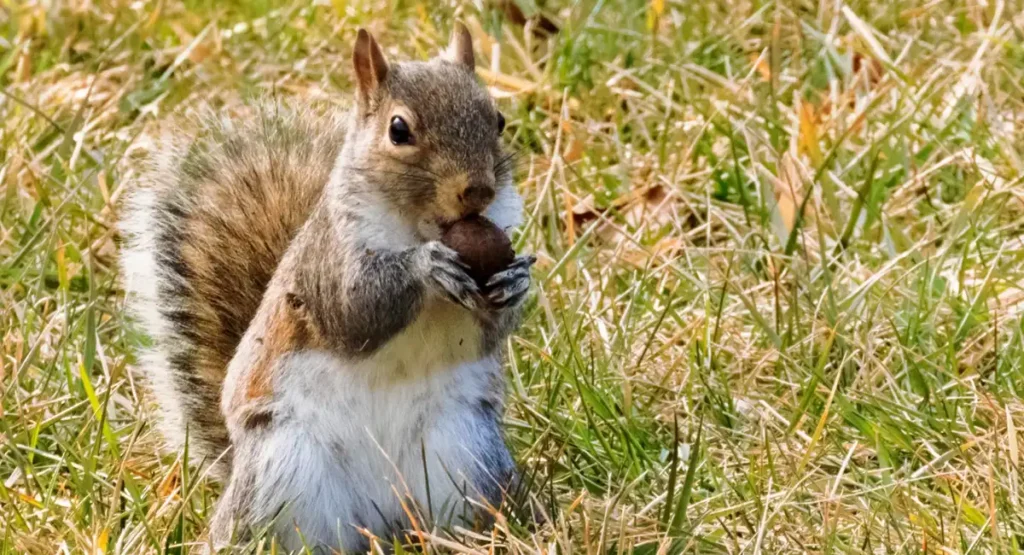
The squirrel is not alone. It warns each other or call them to play by chirping, wagging its tail and making various sounds. It also occasionally shares food, which shows its social nature. Its ability to build nests and adapt to changing weather conditions suggests that even a small stature can be intelligent.
An adult gray squirrel weighs about the same as a soup box, but it has so much energy that it runs, climbs, and searches for food from dawn to dusk. This constant activity makes it one of the most energetic animals in nature.
Cheetahs
Scientific name: Acinonyx jubatus
Class: Mammalia
Diet: Carnivore
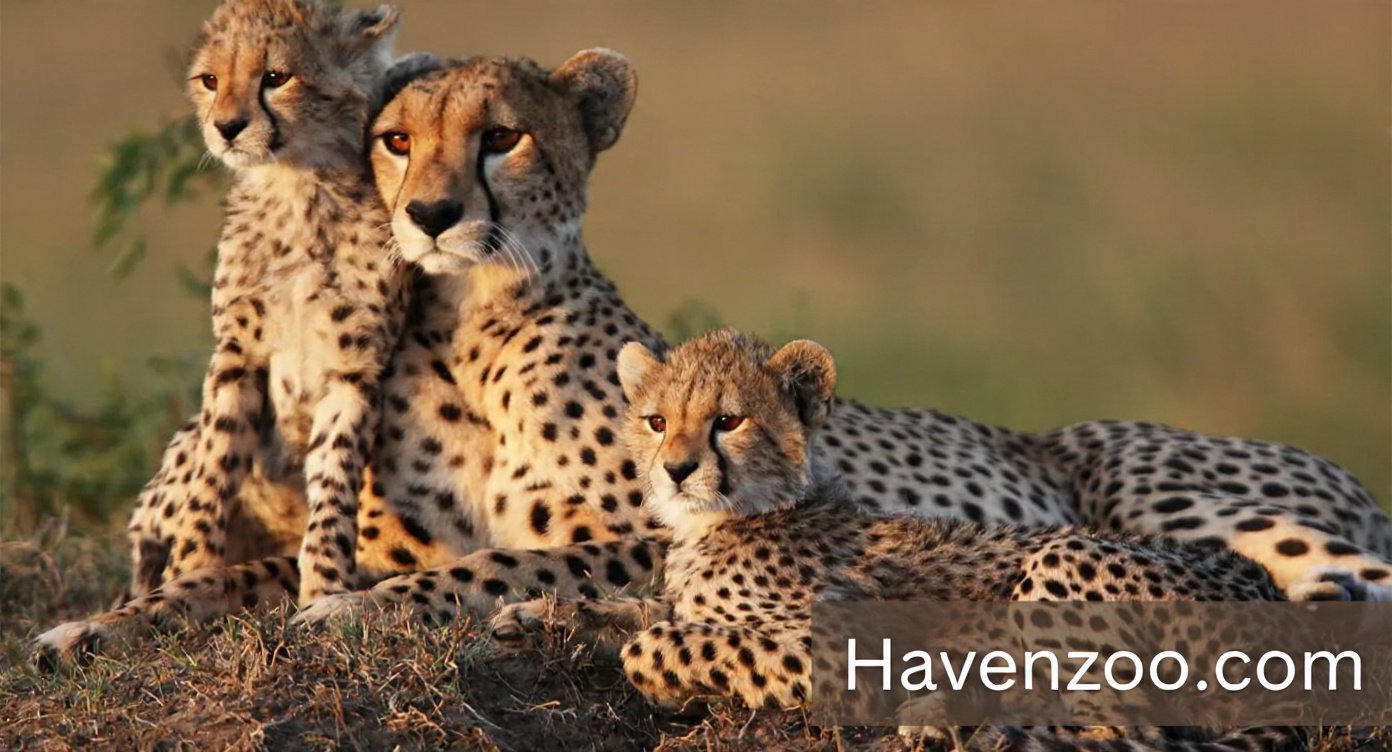
Cheetahs are one of the most energetic animals and the fastest land animals due to their slim body, dark spots, and two powerful features. They can go from 0 to 60-70 mph in just a few minutes. Their flexible back, long legs, broad chest, and claws make them perfect sprinters. When they are under you, you can see them moving under you, which impresses you. Cheetahs are not just fast — they are also clever hunters. They are from a distance, silently stalking prey, and then attacking with a pounce. They hunt either alone or in small groups during the day. The sprint is usually less than a minute because their bodies cannot be seen comfortably. After bursts of speed, they need to stop and catch their breath. This speed can also cause problems. Cheetahs tire quickly if the chase goes on for too long. When tired, they become easy prey for larger predators such as hyenas or lions.
Deforestation, reduced hunting, and human activities are also making life difficult for them. Compared to other big cats, mothers are more vigilant in protecting their young. Normally, they hunt together and defend their territory. This teamwork helps them survive. Therefore, cheetahs are considered one of the most energetic animals in the forest, using a combination of speed, intelligence, and cooperation, and both strength and cunning to survive.
Adélie Penguin
Scientific name: Pygoscelis adeliae
Class: Aves
Diet: Carnivore
The Adélie penguin is one of the smallest but most energetic animals in Antarctica. It is rarely stationary as it walks on the icy shore and swims very fast in the ocean. Each year during the breeding season it travels up to 300 km to reach its nesting grounds. When hunting, it dives deep into the freezing water, sometimes down to 150 m, to catch krill and small fish. Underwater, it can swim at speeds of up to 24 km/h.
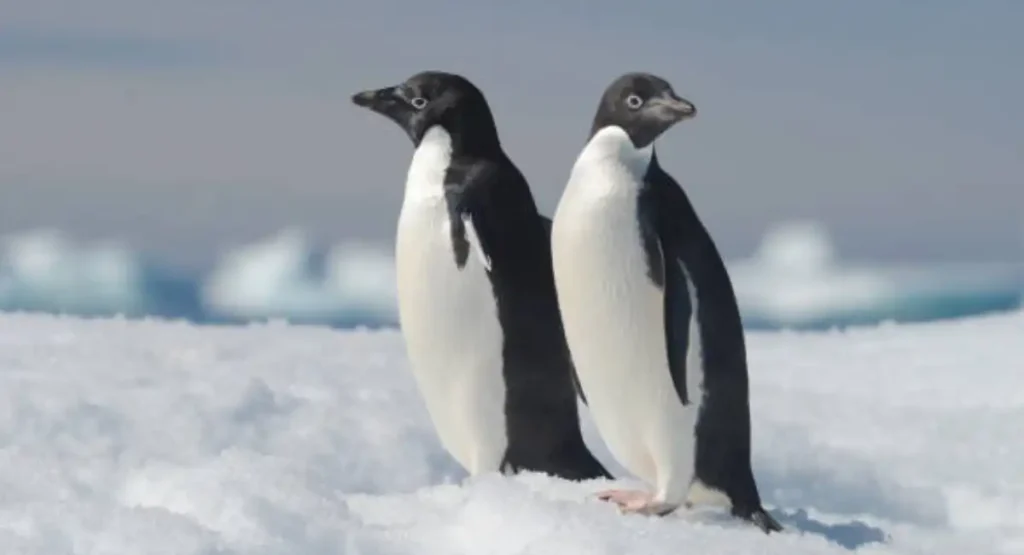
On land, it builds nests from pebbles and protects its mate and eggs. Adélie penguins live in large colonies where pairs bond through special movements and calls. This social life, combined with its fast swimming and ability to survive harsh weather, makes the Adélie penguin a strong example of energy and hardiness in the extreme environment of Antarctica and one of the most energetic animals.
Capuchin Monkey
Scientific Name: Cebus
Class: Mammalia
Diet: Omnivore
Capuchin monkeys are not just interesting for their playful ways and expressive faces. They are also among the most energetic animals and are known for their quick thinking. In the wild, they use rocks to crack hard nuts and sticks to dig out insects from under the bark of trees. These actions demonstrate their intelligence and problem-solving abilities.
Their groups have a clear social order and strong cooperation. Grooming each other, foraging together for food, and comforting each other when upset indicate strong bonds and deep emotional bonds. High in the rainforest canopy, they are constantly on the move — swinging, climbing, searching — and rarely stop.
Nimble hands, quick jumps, and a high metabolism keep them energized throughout the day. This combination of mental speed and physical agility makes capuchins among the most energetic animals in the wild and among the most active and curious primates.
Wolf
Scientific name: Canis lupus
Class: Mammalia
Diet: Carnivore
Wolves are more than symbols of strength and loyalty. They are also counted among the most energetic animals. Their howls carry far to mark territory and keep pack members connected. These sounds show their deep social bonds and how much they depend on each other.
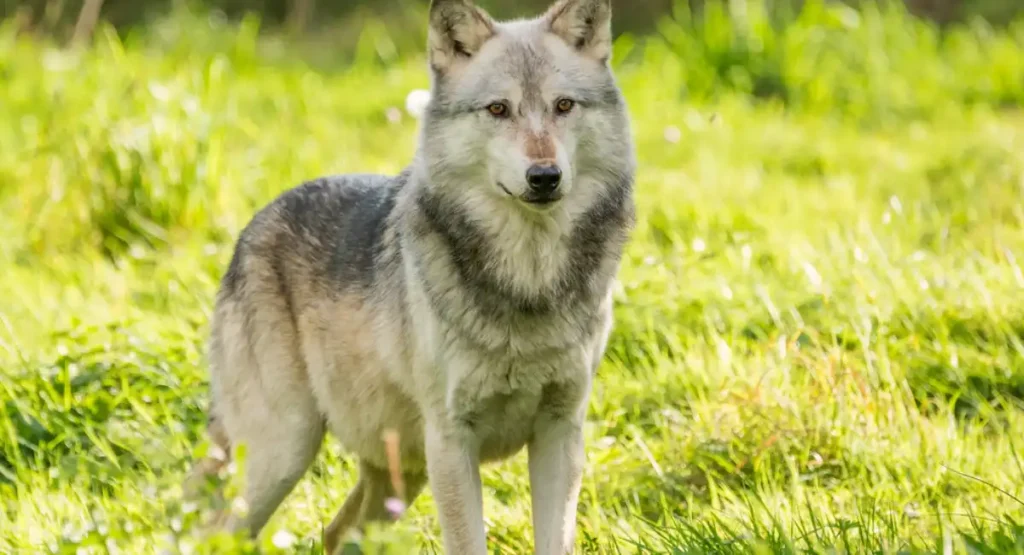
In a pack, every wolf has a role. Some lead the hunt, others guard the group. They use body language, sounds, and eye contact to communicate, which lets them take down even large animals together. This teamwork is what makes wolves some of nature’s most successful hunters.
Physically, wolves are very agile and have great endurance. They can run up to 35 miles per hour when chasing prey and travel more than 30 miles for several nights in a row. Their strong legs and tireless spirit keep them moving for hours, no matter how tough the conditions are.
Hummingbirds
Scientific name: Trochilidae
Class: Aves
Diet: Omnivore
Hummingbirds are nature’s tiny wonders and are counted among the most energetic animals. Their bright, shining colors in the sun, lightning-quick movement, and ability to hover in the air make them unique. They flap their wings up to 80 times in a second to stay in one spot, which creates a soft hum and a blurred look. This skill lets them move carefully around flowers and reach nectar hidden deep inside.
Their body design is unusual too. The figure-eight motion of their wings lets them fly forward, backward, side to side, and even upside down. To fly that fast, their metabolism is extremely high. A hummingbird drinks nectar equal to twice its body weight each day and visits hundreds of flowers. During flight its heart beats more than 1000 times in a minute.
Along with nectar, they also eat small insects to get protein. When they dip their beaks into flowers, pollen moves from one flower to another, so they play an important role in pollination. Amazingly, even with a brain as small as a grain of rice, a hummingbird remembers where each flower is and when it refills with nectar, which makes searching for food very efficient.With their bright colors, territorial nature, and unbelievable agility, hummingbirds captivate anyone who sees them. This tiny creature plays a big role in keeping biodiversity alive, proving that the smallest body can hold the greatest energy.
Tasmanian Devil
Scientific name: Sarcophilus harrisii
Class: Mammalia
Diet: Carnivore
The Tasmanian devil is small in size but counted among the most energetic animals. Its growling screams, constant movement, and fierce temper make it an unforgettable resident of the forest. It eats dead animals and acts as nature’s cleaner. Its jaws are unusually powerful and can crush almost every part of its prey, including bones and skin. Pound for pound, this biting force is greater than that of any other mammal.
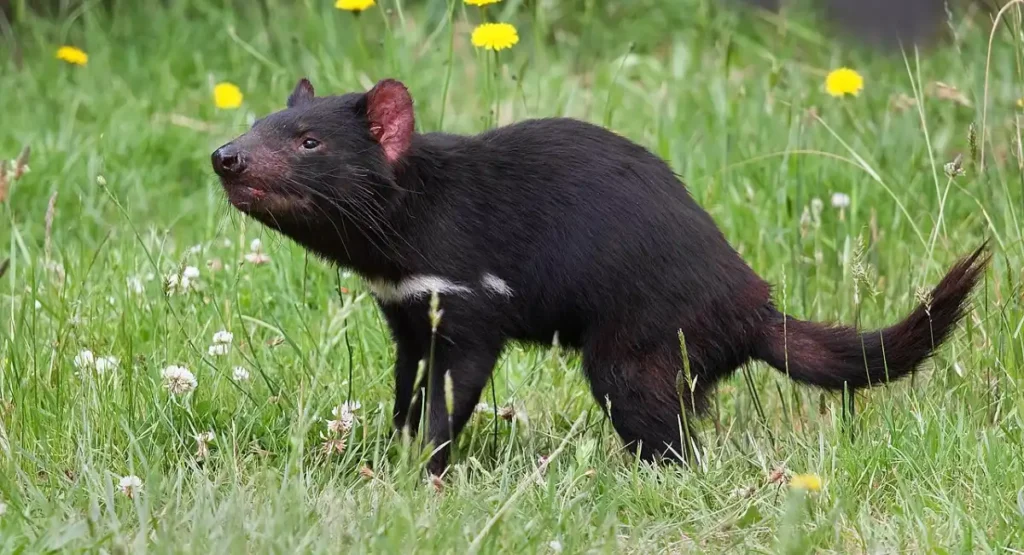
It travels several miles through the night searching for food. Loud calls, growling, and physical displays during feeding help them communicate within their group. Sudden attacks and surprising agility show that this “devil” is actually a clever hunter.
Today the Tasmanian devil is in serious danger because of an infectious cancer called Devil Facial Tumor Disease, which has greatly reduced its numbers. Scientists are working to save this fearless animal through genetic research and breeding programs. Its situation is a clear reminder of nature’s delicate balance and the importance of every small link in it.
African Wild Dogs
Scientific name: Lycaon pictus
Class: Mammalia
Diet: Carnivore
African wild dogs are counted among the most energetic animals of the savanna, and their real strength isn’t speed but perfect teamwork within the pack. During a hunt, each dog has a specific job – some cut off escape routes, others chase to wear the prey down, and some strike at the final moment. They stay in constant, fast motion using quiet communication through sounds, body signals, and touch. Because of this strategy, their hunting success rate is over 80 percent, much better than big cats.
They are also unusual for their endurance. They can run for miles chasing prey, sometimes reaching 44 miles per hour, and cover up to 30 miles in a single day. It’s not easy to wear down a fast antelope, but the pack keeps steady pressure and patience until the target is exhausted. After a kill, feeding and caring for injured or older members shows how deep their social bonds are.
The unique pattern of black, brown, and yellow patches on their bodies isn’t just camouflage – it also helps them recognize each other. Greetings, play, and resting together strengthen the pack’s ties. Sadly, their numbers are falling due to habitat loss and conflict with humans, but conservation efforts are ongoing to protect these energetic and caring hunters.
Swallow
Scientific name: Hirundinidae
Class: Aves
Diet: Insectivore
Swallows are the sky’s fastest acrobats and among the most energetic animals, and every flight is a display of their agility and grace. As they soar through the air in the morning and evening, their gaze will keep you on your toes. Their light bodies and pointed wings allow them to snatch insects from the air, turning their prey into a beautiful trick to eat. This skill isn’t just for show—it’s key to surviving in a variety of environments.
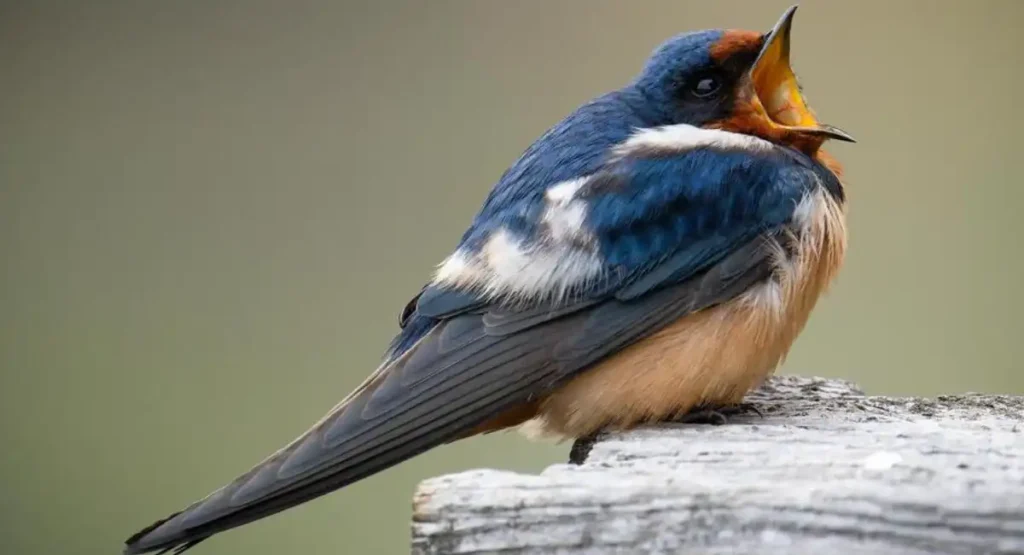
Their most impressive trait is their long migrations. One type of swallow travels thousands of miles from its summer pastures to its winter pastures. Recognizing landmarks along the way and using the Earth’s magnetic pull to find direction is a natural ability that has always amazed researchers.
These birds spend most of their lives in the air. It’s not uncommon for them to fly at speeds of up to 35 miles per hour and change direction in the blink of an eye. Crossing continents, crossing water, and walking across fields is their daily routine. They are constantly on the move from sunrise to sunset, and their gatherings at the stars reflect their social habits. Their speed, endurance, and tireless flight make them one of the most energetic animals in the sky.
Siberian Husky
Scientific name: Canis lupus familiaris
Class: Mammalia
Diet: Omnivore
The Siberian Husky is counted among the most energetic animals, with its bright blue or two-toned eyes. This breed was raised by the Chukchi nomads of Siberia to pull heavy sleds through snow and cover long distances. Its natural desire to run, explore, and keep moving makes it perfect for sledding and racing.
A husky needs both physical work and mental challenges every day. If its energy isn’t used, it gets restless. Cold weather doesn’t slow it down, it makes it sharper, and its thick double coat keeps it warm while working in freezing conditions.
One unique trait of this breed is its “talkative” nature. It shows feelings and intentions through different sounds – howling, whining, and barking – which reflects its social intelligence. Huskies thrive on human company, form strong bonds with family, and adapt quickly to new environments. A speed of 28 miles per hour and the ability to work for hours at a time prove that this breed was built for endurance and adventure.
Dragonfly
Scientific name: Anisoptera
Class: Insecta
Diet: Carnivore
The dragonfly is a perfect example of movement in the air. Its four separate wings let it fly in any direction, move backward, and hover in one spot. In quick bursts it can reach speeds of 35 miles per hour, but its real strength is accuracy in hunting. About 95 percent of the insects it chases in the air end up caught.
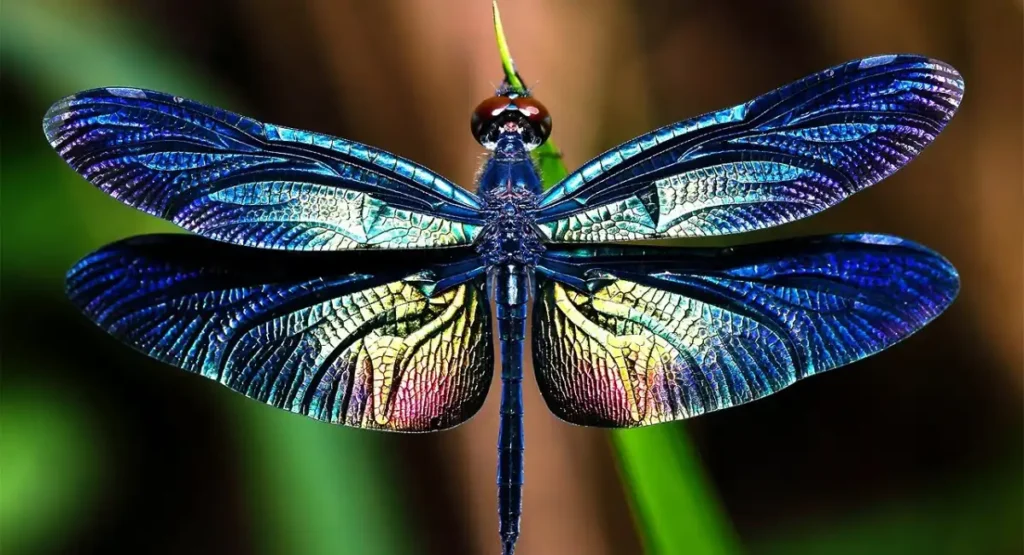
By keeping populations of mosquitoes and other small flying insects under control, it acts as a natural pest killer and helps maintain balance in wetland environments. The bright colors on its body aren’t just for display. They change with temperature and condition to send signals about gender and to other dragonflies.
Its compound eyes can see in many angles at once, giving it instant awareness of prey and danger. Most of an adult dragonfly’s life is spent flying, hunting, and guarding its territory. Despite its small size, it is counted among the most agile and energetic hunters in the sky.
Shrews
Scientific name: Soricidae
Class: Mammalia
Diet: Insectivore
Shrews are counted among the most energetic animals despite their tiny size. Weighing less than an ounce, they have such a fast metabolism that they eat food equal to their body weight every day. Their heart beats more than a thousand times a minute, so going just a few hours without food can be dangerous for them.
These small mammals are always on the move, searching through leaf litter, grass, and underground tunnels for insects, larvae, and tiny invertebrates. Sharp teeth, lightning-fast reflexes, and a kind of echolocation let them strike prey accurately even in the dark. Some types of shrew also carry a mild venom that helps paralyze larger prey.
Because they don’t hibernate in winter, their energy cycle never stops. Despite their small size, shrews play an important role in keeping insect populations in check and maintaining ecological balance. Nonstop movement, intense hunger, and hunting skill make them, size for size, one of the most active mammals on earth.
Sea Otters
Scientific name: Enhydra lutris
Class: Mammalia
Diet: Carnivore
Sea otters aren’t just cute — they’re one of the most energetic animals and active players in the cold waters of the Pacific. Although they’re the heaviest of the weasel family, they swim fast and dive deep. Their special skill is the use of tools. While floating on their backs, they place a rock on their chest to crack open hard shells like clams and mussels and scoop out the meat inside.
To stay warm in the cold water, a sea otter needs to eat about a third of its body weight in food every day. That’s why it spends 9 to 12 hours diving for crabs, sea urchins, and shellfish. Along with eating a lot, it also spends time grooming its thick fur, because clean, airtight fur is what keeps it warm.
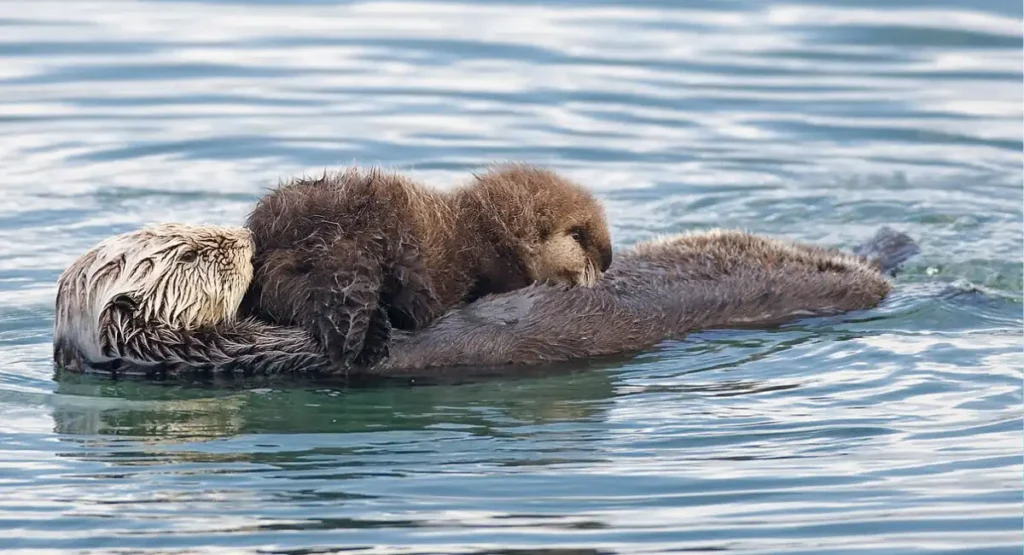
These social animals hold hands while they sleep so they don’t get separated in the ocean waves. They’re also important to the environment. By keeping sea urchin populations in check, they protect the kelp forests that countless marine creatures depend on. Their playful nature, constant movement, and clever use of tools make sea otters one of the most energetic animals and smartest mammals in the ocean.
Chimpanzee
Scientific name: Pan troglodytes
Class: Mammalia
Diet: Omnivore
Chimpanzees are not only our closest relatives in the animal world, but they’re also counted among the most energetic animals. In African rainforests, they spend their days swinging through branches, chasing each other, and playing – every movement shows curiosity, joy, and intelligence.
These primates stay in constant contact using a mix of sounds, facial expressions, and body language. They forage for food, protect territory, and care for each other as a group, which builds strong social bonds. They also use tools like sticks and stones to get food and solve problems.
Chimpanzees are several times stronger than humans, but what really sets them apart is their constant movement, sociability, and sharp mind. Climbing, swinging, foraging, and social interaction are part of their daily routine, putting them among nature’s most active and captivating creatures.
Baby Goats
Scientific name: Capra aegagrus hircus
Class: Mammalia
Diet: Herbivore
Goat kids are a living example of movement and curiosity. From the moment they’re born they start jumping, running, and testing everything by sniffing, tasting, and climbing. Nothing stops them – not rocks, fences, or slanted branches. Their strong, balanced bodies take them to surprising heights.
They don’t like playing alone. In a group they chase each other, give light head butts, and push around in a playful way. These antics aren’t just for fun – they help them learn social behavior and sharpen their physical skills.
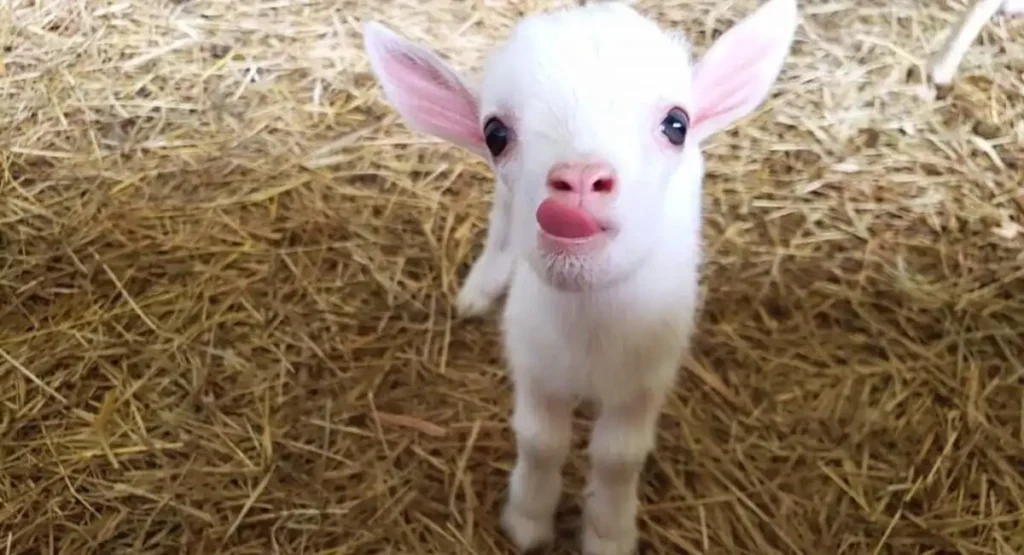
Every new place is an adventure for them. Climbing trees, jumping off high surfaces, stepping onto new ground – that’s their daily life. From open pastures to the tough mountains of Tibet, goat kids show unstoppable energy and the ability to adapt in every environment.
Border Collies
Scientific Name: Canis lupus familiaris
Class: Mammalia
Diet: Omnivore
The Border Collie is a full package of energy and intelligence. Bred to manage sheep in the rough fields of Scotland and England, this breed is known for its sharp eye, fast movement, and deep thinking. Their famous “herding instinct” – controlling the flock with their stare – isn’t just a habit. It shows an inner drive to stay busy and solve problems.
These dogs don’t just want to run; they need mental exercise too. They learn new commands quickly, remember routes, and easily understand their owner’s signals. That’s why they stand out in agility, frisbee, and herding competitions.
If a Border Collie doesn’t get daily physical exercise and mental games, it gets anxious and starts making trouble at home. Hiking, running, or training with active owners channels their energy the right way and strengthens the bond. Hard work is in their nature – laziness goes against their temperament.
Honeybees
Scientific name: Apis mellifera
Class: Insecta
Diet: Herbivore
The honeybee is one of the most energetic animals, even though its body is tiny. It flaps its wings up to 200 times a second, and this constant motion keeps the whole colony active. From sunrise to sunset it visits thousands of flowers, spreading pollen and keeping plants and crops growing.
Inside the hive, every bee has a specific job. The queen lays eggs, guards stand watch, and worker bees collect nectar. To show where food is, they do a “waggle dance” – using the angle and speed of the dance to tell others the direction and distance. Their strong sense of smell helps them pick the best flowers and avoid danger.
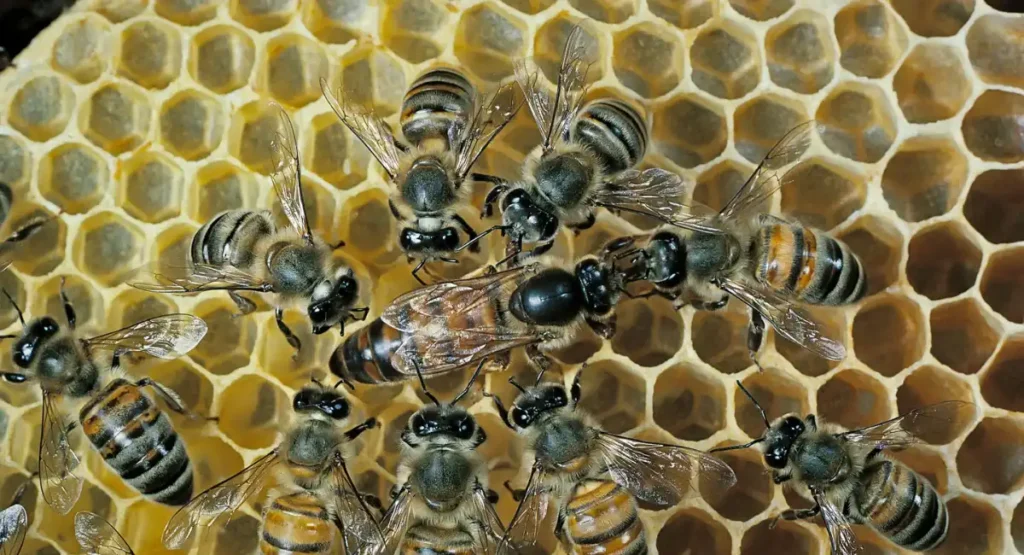
In its short life, a worker bee flies hundreds of miles. Despite being small, the honeybee’s nonstop work and coordinated teamwork support biodiversity and farm production.
Jack Russell Terrier
Scientific Name: Canis lupus familiaris
Class: Mammalia
Diet: Omnivor
The Jack Russell Terrier is a living example of movement and excitement in a small body. With its agile build and sharp mind, it’s always ready to do something – run, jump, dig, or chase something new. Its natural curiosity pushes it to find adventure everywhere.
Physical exercise alone isn’t enough for it. This dog thrives on mental challenges too: picking up new commands quickly, solving puzzle toys, and playing with its owner are part of its daily needs. If it isn’t kept busy, boredom turns it mischievous.
Bred for fox hunting, this breed is fearless and extremely quick. Daily runs, games of fetch, and mental workouts keep it balanced. With proper training and socialization, a Jack Russell becomes an enthusiastic, trainable companion that has far more energy and character than its small size suggests.
Squirrel Monkeys
Scientific name: Saimiri
Class: Mammalia
Diet: Omnivore
Squirrel monkeys deserve to be called the most energetic animals because they do not stop for a moment on the high branches of the dense forests of Central and South America. Despite their small stature, they have an extraordinary enthusiasm and love of performing tricks. Long arms and a prehensile tail help them jump accurately between branches, which shows their fully adapted nature for living in dense trees.
These animals like to live in groups, and a group can consist of up to thirty individuals. Talking loudly, playing with each other, and cleaning are part of their daily routine. They communicate with each other and organize activities through sounds, changing facial expressions, and body gestures. This interaction is not only useful in finding food, but also helps them to develop a joint defense strategy in times of danger. They are constantly on the move from sunrise to sunset.
Their diet includes fruits, insects, seeds and sometimes small vertebrates. This diversity of diet allows them to adapt easily to different environments and also plays a role in maintaining the natural system of the forest by dispersing seeds. They are always alert and monitor their surroundings for food, danger and social connections.
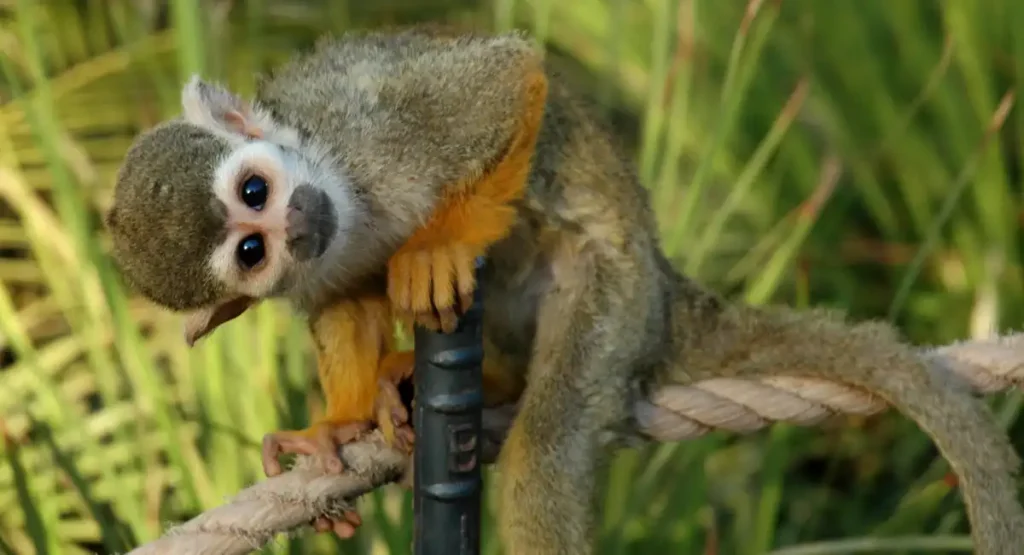
They rarely exceed two pounds in weight, but their facial expressions and bright yellow-orange hands and feet are immediately noticeable. Studies show that they use a combination of vocalizations, facial gestures and body language to build relationships and divide tasks within the group. Their lively temperament and complex social system make them among the most active creatures in the primate world, proving that even small bodies can contain deep understanding and the ability to cooperate.
Read more: 15 Quiet Animals
Energetic Animals Vs Hyper Animals
This pet has a lot of energy and can run and play for a long time. But if it gets enough exercise, training, and rest, it can calm down and relax.
Hyper pet: This pet cannot sit still. It keeps jumping, barking, biting, and moving from one thing to another. Even after playing, it still can’t relax.
Most hyper pets are not bad. They are often too tired, too stressed, anxious, or stuck in a routine that keeps them wound up.
Why Some Animals Have Lots Of Energy
An animal’s energy depends on both its body and its behavior. Physically, it comes down to things like metabolism, muscle type, how much oxygen the body uses, and how fast energy gets burned.
Behavior-wise, curiosity, boldness, focus, and how much they like being around others also play a role. Scientists often call these steady differences in animals of the same species “personality.”
In many species, traits like activity level and boldness affect how an animal finds food and how it grows over time. This shows that “personality” isn’t just a human thing — some individuals in the same breed can naturally be more active, more careful, or more intense than others.
That’s why two dogs of the same breed can act so differently at home. One is happy with a short walk, while the other keeps running around until it gets a real job to do.
Read more: 13 Most Curious Animals In The World
Most Active Animals In The World
- Hummingbirds: Hovering takes a lot of energy. Hummingbirds have one of the highest metabolic rates for their body size. Their bodies are built to turn sugar into movement very fast.
- Shrews: These tiny insect-eaters must eat often to keep their fast metabolism going. They look restless because they really are.
- Ants and honeybees : Small alone, but nonstop as a colony. They keep foraging, building, defending, and caring for the nest, over and over.
- Dolphins : Social, curious, and always busy. They travel, hunt, play, and talk to each other.
- Wolves and wild dogs : Built for endurance. Their day can include covering long distances, tracking, working together, and scanning their territory.
High Energy Animals In Everyday Life
At home, it’s not about how many miles an animal runs in a day. What matters is whether it can rest between activities.
Some common high-energy pets people keep:
Working and herding dogs:
These dogs were bred for daily jobs, not just short walks.
Sport dogs:
Many love to run, fetch, search, and solve problems.
Young cats:
Especially confident kittens and teens. Their play is practice for hunting.Ferrets and rodents: Small bodies, big curiosity, lots of movement.
Parrots:
They need a lot of brain activity, interaction, and enrichment, not just physical exercise.If you love active pets, they can be a great match for your life. If you prefer quiet, living with them can feel like sharing your home with a machine that never stops moving.
Helping A Hyper Animal Settle
This is the part most people forget: you can’t fix a hyper animal by adding more chaos. You fix it by giving better outlets for energy and better ways to recover.
Try a mix of these:
Movement with a purpose:
Like sniff walks, hide-and-seek games, or chasing toys with rules.
Short training sessions:
Five minutes of good training beats 30 minutes of wild running around.
Calm activities:
Chewing, licking, or puzzle toys that keep the mind busy in a relaxed way.
Safe rest:
Especially important for dogs and small pets — they need a quiet place to sleep. Also, check the basics. If an animal suddenly gets wild or restless, don’t just assume it’s “too much energy.” Pain, itching, stomach problems, and anxiety can all look like hyper behavior.
Most Energetic Animals Found in USA
USA has the most energetic wildlife on Earth. Pronghorn Antelope runs 60mph across Montana deserts. A bald eagle flies 7 hours nonstop over American rivers. Hummingbirds migrate 2000 miles from the USA to Mexico. These American animals prove stamina beats speed every time.
Final Thoughts
The world’s most energetic animals immediately grab attention with their unparalleled strength and vigor. Whether it’s the lightning-fast cheetah of the savannah or the monkey performing tricks in the trees, each is a model of adaptation forged by millions of years of evolution. Their constant movement is not only a means of survival but also maintains the balance of the natural system. The leap of a leopard and the tireless flight of a hummingbird prove that energy manifests itself differently at every size. Their endurance, ability to work together in a group, and the spirit of never backing down are lessons for people of all ages.
These creatures are not just fascinating; they are also part of the ecosystem. The leaps of dolphins and the runs of leopards show how skillfully they have adapted to their habitat. Understanding their behavior teaches us the value of biodiversity and the importance of conservation.
The unfortunately, habitat loss and climate change are putting species like hummingbirds and gazelles at risk. Now is the time to ensure their protection with practical measures. Scientists are finding new ways to better use energy through their behavior, and by being inspired by them, we can adopt healthy, active habits in our lives.
FAQs
Which Animal Has The Highest Energy?
The cheetah is known for its explosive speed — it can reach speeds of 60 to 70 miles per hour in a matter of seconds, but can only maintain that speed for 20 to 30 seconds, which it uses when hunting. If it doesn’t eat every 2 to 3 hours, it becomes weak, and its heart rate can reach 1,200 beats per minute.
what is the most energetic animals?
The most energetic animal in the world is usually considered the hummingbird. It flaps its wings 80 times a second, allowing it to hover in place in the air and even fly upside down. Its digestive system is so fast that it has to suck sap from hundreds of flowers every day to maintain energy.
Which small animal is surprisingly the most energetic?
The most active animal in the world is usually considered the hummingbird. It flaps its wings 80 times a second, allowing it to hover in place in the air and even fly upside down. Its digestive system is so fast that it has to suck sap from hundreds of flowers every day to maintain energy.
what are hyper animals?
Hyperactive animals are highly active creatures that are constantly moving, playing, or hunting. Their metabolism is very fast, which means they need a constant supply of energy to survive.
can high energy animals ever get tried?
Yes, even high-energy animals need to rest to repair their bodies and restore energy. However, they are much more refreshed than normal animals and are ready to be active again soon.
Which energetic animal has the best stamina?
Pronghorn antelopes can maintain speeds of 55 miles per hour for long distances – better than cheetahs, which tire and slow down after only 30 seconds.
Are energetic animals more intelligent?
This is often the case. More active animals like dolphins, chimpanzees, and border collies are also considered to be at the forefront of intelligence, as constant activity and the ability to solve problems are required for survival.
Which small animal is surprisingly the most energetic?
Some may be — border collies, ferrets, budgies, and chinchillas are often kept as pets. But they all need plenty of physical and mental exercise every day. If they don’t get it, they can become restless, spoil things, or get sick.
Can an energetic animal make a good pet?
The Labrador Retriever is a living example of energy and happiness. These dogs are known for their mischievous, friendly nature and boundless enthusiasm. They enjoy being active — fetching a ball, running around the park, or swimming in the lake are their favorite pastimes. Their wagging tails and enthusiastic demeanor make them great companions and spread joy wherever they go.
Can energetic animals be dangerous or harmful to people?
Not all energetic animals are dangerous to humans. Being active just means they run, play, or move fast – it doesn’t mean they want to attack.Monkeys and squirrels move around a lot, but they usually stay away from people. They only react if someone bothers them. Dolphins swim all day, but they’re not dangerous to humans. Cheetahs run very fast, but they hunt animals, not people.Animals are only risky if they’re sick, hurt, or trapped. Then they might bite or attack to defend themselves.So the safest thing is to keep a safe distance from wild animals and don’t tease or bother them.
Are energetic animals naturally active?
Every animal has its own built-in energy level. Species like monkeys, dolphins, and cheetahs developed high activity because they needed speed for hunting or escaping danger. But genes aren’t the whole story. When an animal gets proper food, space to move, and feels safe, it shows its full energy. If it’s sick, stressed, or trapped in a small cage, even a naturally active animal becomes slow. So being energetic is partly inborn, but how active it looks depends on health and surroundings.
Are energetic animals also confident?
The most energetic animals look confident because they move freely, check out new things quickly, and don’t scare easily. Monkeys and dolphins are good examples. But not every energetic animal is truly confident. Some move a lot because they feel scared or stressed. Real confidence comes from whether the animal feels safe and comfortable in its environment.
Do energetic animals stay active because they eat a lot?
Eating more can help, but it’s not the only reason. The real reason is that most energetic animals have bodies that turn food into energy very fast. Their body structure, genes, and environment also play a big role.For example:Monkeys eat fruit and insects, and jump around in trees all day.Dolphins eat fish and small sea creatures, and keep swimming and playing in the ocean.Cheetahs get quick energy from meat and run very fast, but not for long.Squirrels eat seeds and nuts, and run around all day.
“This shows that food helps, but without fast digestion and a natural body structure, no animal can stay active for long.”
Can we easily touch energetic animals? Are they friendly?
Most energetic animals are not friendly enough to touch easily. They move very fast and get scared by small sounds or movements, so they run away. Wild energetic animals like monkeys, squirrels, or cheetahs can be dangerous to touch because they may bite or scratch to protect themselves. Only some pet animals like dogs or cats that are raised from a young age may come close to play, even if they are energetic, but you should still not touch them suddenly. It is better to watch energetic animals from a distance and respect their space.
What animal creates vibes?
Animals that create vibes are the ones that quickly lift your mood or bring a relaxed, happy, or caring feeling when you’re near them. A few of the best at this are:
1. Dogs – They’re great at spreading good energy. Wagging tails, playful jumps, and constant affection can instantly brighten your day.
2. Cats – Their soft purring helps reduce stress, and their calm, laid-back attitude makes any space feel peaceful.
3. Dolphins – They look like they’re always smiling and love to play. Being around them feels cheerful and fun.
4. Rabbits – Gentle, quiet, and fluffy, watching them hop around gives a warm, cozy feeling.
5. Horses – They pick up on human emotions easily. Just being around a calm horse can feel soothing and grounding.
What Animals Attract Wealth?
Some animals are seen as symbols of wealth: koi and arowana fish represent flowing abundance in feng shui, elephants stand for steady luck and success, and the beckoning cat is believed to draw in money and customers. They’re cultural signs of prosperity, not actual sources of income.